dailynewsnblog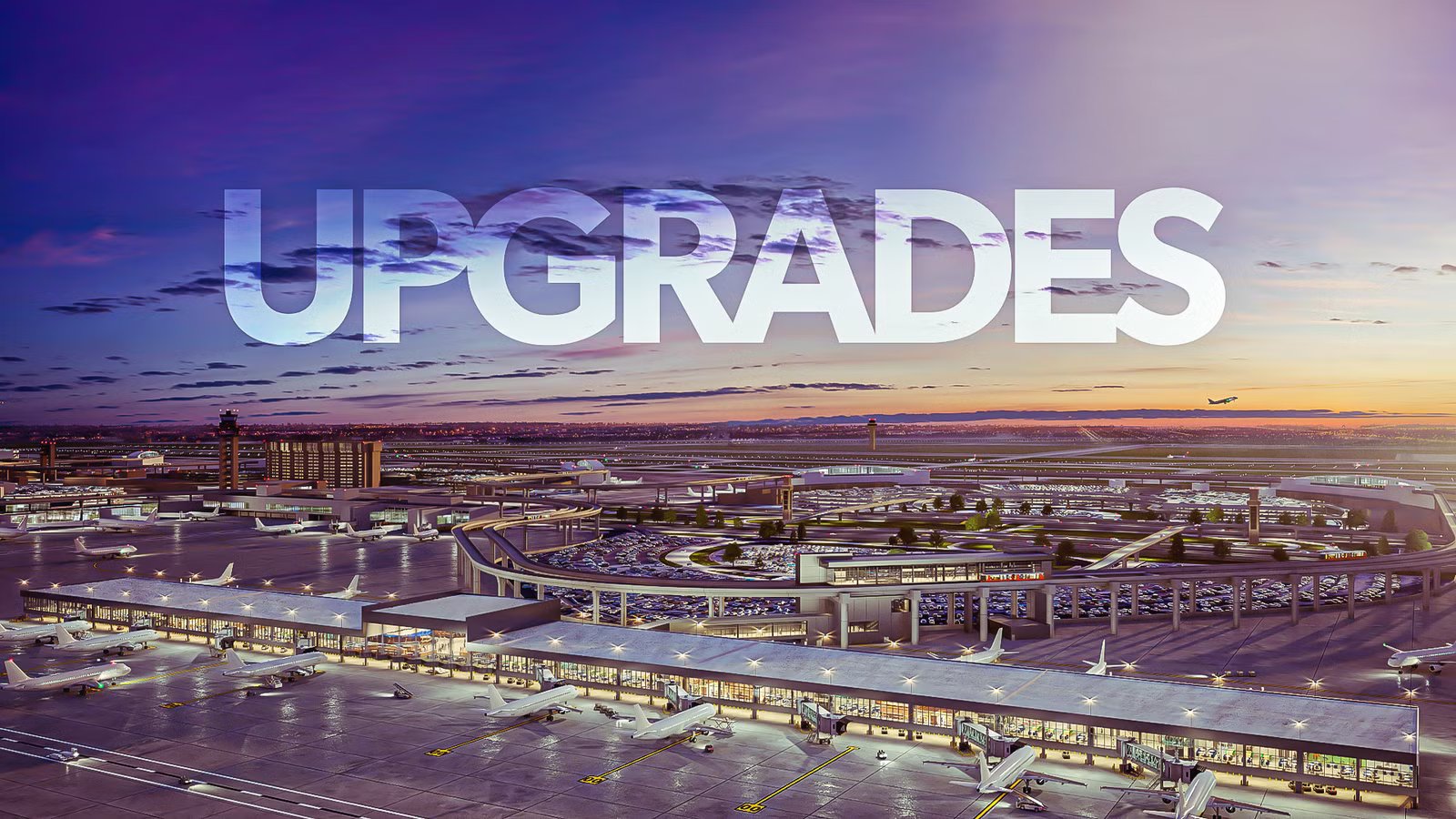
The United States is in the midst of a sweeping transformation of its aviation infrastructure, with more than $40 billion being invested in some of its busiest airports. This surge in development reflects a long-overdue response to decades of aging facilities, growing passenger demand, and increasing global competition. From New York to Seattle, major hubs are being redesigned with modern terminals, expanded gate capacity, and enhanced passenger amenities that aim to rival leading international airports.
What sets this moment apart is not just the scale of individual projects, but the simultaneous nature of these upgrades across the country. Airports are no longer approaching improvements incrementally; instead, they are undertaking comprehensive, multi-phase redevelopment programs. These efforts are reshaping not only the physical layout of airports but also the overall travel experience, positioning US aviation for a more efficient, competitive, and passenger-focused future.
Reinventing New York’s Global Gateway

The redevelopment of  John F. Kennedy International Airport (JFK) is anchored by the $9.5 billion New Terminal 1, one of the largest single airport investments in US history. Scheduled to open in phases beginning in 2026 and reaching full completion by 2030, the terminal will span approximately 2.6 million square feet (241,548 square meters) and include 23 gates. The project is designed to consolidate several aging international terminals into a single, unified facility, addressing long-standing inefficiencies caused by JFK’s fragmented layout.
A defining feature of the development is its strong emphasis on passenger experience. More than 300,000 square feet (27,871 square meters) will be dedicated to retail, dining, and lounge spaces, bringing JFK closer to the standards of leading global hubs. The design prioritizes natural light, expansive interiors, and intuitive navigation, all aimed at reducing congestion and making the journey smoother for international travelers moving through one of the busiest gateways in the United States.
Operational efficiency is another critical driver behind the transformation. By centralizing international operations, the new terminal is expected to streamline airline coordination, reduce transfer times, and improve overall reliability. Compared with other major U.S. airport upgrades, JFK’s approach is particularly focused on global competitiveness, positioning it to better compete with top-tier international airports while handling increasing passenger demand more effectively.
Expanding Capacity In Texas

 Dallas/Fort Worth International Airport (DFW) is executing its ambitious $12 billion “DFW Forward” capital plan, one of the most extensive airport expansion programs in North America. At the heart of this initiative is a $3 billion transformation of Terminal C, alongside the planned construction of a new Terminal F that will significantly expand gate capacity and support future airline growth. As a major hub for both domestic and international connections, DFW is investing heavily to ensure it can handle rising passenger volumes while maintaining operational efficiency.
One of the most innovative aspects of the project is its use of modular construction techniques. By assembling mechanical, electrical, and structural components off-site and installing them onsite, the airport can minimize disruption to daily operations—an essential consideration for one of the busiest airports in the world. This approach not only accelerates construction timelines but also improves precision and cost control, enabling upgrades without significantly impacting travelers.
DFW’s expansion is ultimately driven by sustained passenger growth and its strategic role as a central connecting hub within the United States. Compared with airports like JFK, which focus heavily on the international passenger experience, and Seattle, which emphasizes sustainability and global event readiness, DFW prioritizes scalability and operational continuity. The addition of Terminal F and the modernization of existing facilities will allow the airport to handle significantly higher traffic volumes while improving connections and reducing delays.
Why In The World Does Dallas/Fort Worth International Airport Have So Many Runways?
DFW is one of the busiest and largest airports in the world. We investigate why it has seven runways and how they are used.
Modernizing The Midwest

 Chicago O’Hare International Airport’s(ORD) $8.2 billion ORDNext program represents a comprehensive effort to modernize one of the busiest airports in the world. The multi-phase initiative includes extensive terminal upgrades alongside the construction of Concourse D, a 590,000-square-foot (54,813-square-meter) expansion scheduled for completion in 2028. As a major domestic and international hub, O’Hare International Airport is investing heavily to update aging infrastructure and better accommodate future growth in passenger and flight volumes.
The expansion directly targets long-standing congestion challenges by increasing gate capacity and improving overall airfield efficiency. Reconfigured taxiways, upgraded runways, and modernized facilities are expected to reduce delays and enhance aircraft movement across the airport. These improvements are critical for maintaining reliability at a hub that handles tens of millions of passengers each year, while also strengthening O’Hare’s role as a key connector in the global aviation network.
Passenger experience is also a central focus. The redesigned spaces will include expanded dining and retail options, improved seating areas, and enhanced accessibility features. These upgrades aim to bring O’Hare in line with modern international standards while maintaining its role as a key hub for domestic and international travel.
The Big Apple’s Complete Turnaround

 LaGuardia Airport’s (LGA) $8 billion redevelopment, completed in January 2025, is widely regarded as one of the most successful airport transformations in the United States. Once criticized for outdated facilities, the airport has been rebuilt into a modern, efficient, and aesthetically appealing travel hub.
The project replaced old terminals with new structures featuring high ceilings, expansive glass walls, and improved passenger flow. These changes have significantly reduced congestion and enhanced comfort, creating a more pleasant travel experience. The redevelopment also introduced a wide range of dining and retail options, elevating the airport’s overall appeal.
The transformation has earned widespread recognition, including being named the best US airport by Forbes Travel Guide in both 2024 and 2025. LaGuardia now serves as a model for how strategic investment and thoughtful design can dramatically improve airport performance and reputation.
The New Runway Expansions That Will Transform The World’s Busiest Airports
The world’s largest airports will soon offer much more capacity.
Rising Regional Powerhouses

Nashville International Airport (BNA) is investing $3 billion in its “New Horizons” expansion program, a response to rapid population growth and surging tourism across Tennessee and the wider Southeast. The project focuses on expanding concourses, adding new gates, and upgrading terminal facilities to handle rising passenger volumes that have outpaced earlier forecasts. As one of the fastest-growing mid-sized hubs in the US, Nashville International Airport is scaling up to meet long-term demand while maintaining efficient operations.
|
Airport |
Investment |
Project |
Key Focus |
Completion Timeline |
|---|---|---|---|---|
|
Nashville International Airport (BNA) |
$1.5 billion |
New Horizons |
Concourse expansion, cultural identity, and regional growth |
Ongoing |
|
John F. Kennedy International Airport (JFK) |
$9.5 billion |
New Terminal One |
Global gateway, luxury experience, consolidation |
2026-2030 |
|
Dallas/Fort Worth International Airport (DFW) |
$12 billion |
DFW Forward |
Massive capacity growth, modular construction |
Multiphase |
|
Chicago O’Hare International Airport (ORD) |
$8.2 billion |
ORDNext |
De-congestion, new concourses, efficiency |
By 2028 |
|
LaGuardia Airport (LGA) |
$8 billion |
Full Redevelopment |
Passenger experience overhaul, modern design |
Completed 2025 |
|
Seattle-Tacoma International Airport (SEA) |
$5 billion |
Upgrade SEA |
Sustainability, event readiness, and expansion |
Ongoing |
Compared with these major projects, Nashville’s investment is smaller in scale but more targeted in strategy. While airports like JFK and DFW are focused on global connectivity and massive capacity increases, and hubs like O’Hare and Seattle emphasize efficiency and sustainability, Nashville is carving out a niche as a high-quality regional airport with a strong cultural identity. This balanced approach allows it to expand capacity, attract new routes, and support economic growth while maintaining a unique passenger experience that distinguishes it from larger, more complex hubs.
Preparing For Global Demand

 Seattle-Tacoma International Airport’s (SEA) Upgrade SEA $5 billion modernization program is designed to prepare the airport for sustained long-term growth as well as major global events such as the 2026 FIFA World Cup. The initiative spans multiple phases and includes terminal expansions, new and upgraded concourses, improved baggage handling systems, and significant airfield and roadway enhancements. Together, these projects aim to modernize one of the fastest-growing airports in North America while maintaining day-to-day operations.
A central goal of the program is to improve operational efficiency while accommodating steadily rising passenger volumes, which have surged in recent years due to both domestic travel demand and Seattle’s role as a key gateway to Asia. Expanded terminals, additional gates, and redesigned passenger flows will help reduce bottlenecks at security, boarding, and baggage claim. These improvements are particularly critical during peak travel periods, ensuring the airport can handle surges linked to international events and seasonal demand without compromising reliability.
Sustainability is also a major pillar of the modernization effort. Seattle-Tacoma is integrating energy-efficient building systems, sustainable construction materials, and advanced technologies to lower emissions and reduce overall environmental impact. This includes initiatives focused on energy conservation, waste reduction, and greener ground operations. Collectively, these measures reflect a broader industry shift toward more environmentally responsible airport infrastructure while aligning with regional and national climate goals.