dailynewsnblog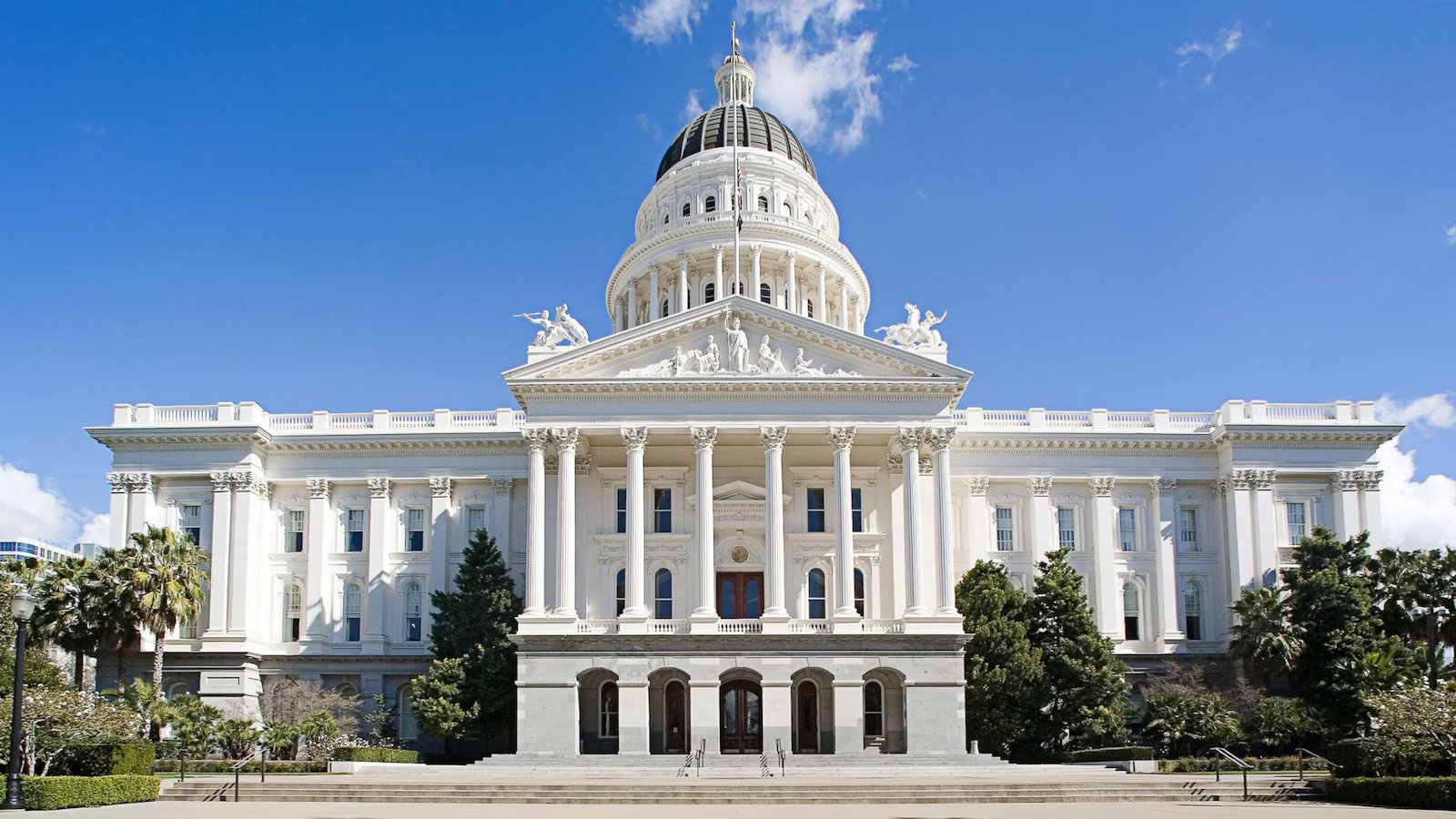
While primary day in California is now over, it could take days or weeks for final vote counts to be determined and some projections to be made.
The most populous in the country state is home to 23 million registered voters, which requires ample time for all ballots to be accurately counted.
But in addition to the sheer volume of votes, the state also relies on a significant number of mail-in ballots, with some not arriving until a week after voting ends.
According to the California Secretary of State, “vote-by-mail ballots postmarked on or before Election Day and received within seven days after the election, as well as any provisional ballots cast, must still be counted.”
County election officials have up to 30 days after the election to count ballots. Final results must be reported to the secretary of state by July 3, 2026.
The process of counting mail ballots and validating voters’ signatures is also arduous, as each envelope signature must match the signatures on file, which can lead to additional delays as well.

In this undated file photo, the California State Capitol is shown in Sacramento, Calif.
STOCK IMAGE/Getty Images
On Tuesday, initial vote counts included early mail, early in-person, and day-of ballots. Early votes were allowed to be counted ahead of time, but not publicly released until polls had closed.
“On Election Night, we will have a good picture of the outcome of most contests, but it will take weeks to know the final results. This is normal,” Secretary of State Shirley Weber said in a statement after polls closed.
However, because an unknown number of mail-in ballots remain outstanding, it is possible for incoming votes to shape the outcome of a race, despite what early election returns indicated.
By Thursday, California counties are expected to provide the secretary of state with an estimated report of remaining unprocessed ballots, which will be shared with the public.
However, this familiar lengthy delay could soon become a thing of the past in California and nationwide. This month, the Supreme Court is expected to rule on a case brought by the Republican National Committee seeking to end the practice of counting timely cast but late-arriving mail-in ballots.
Earlier this year, the justices hinted that they are prepared to roll back the practice.
President Donald Trump has railed against California mail-in ballots for years, with the president often accusing, without evidence, the voting method of being “rigged” to benefit Democrats.
This comes despite Trump himself casting a mail ballot earlier this year to vote in a Florida special election, which the White House said qualified as a “commonsense exception” to the voting method that the president supports.
A White House spokesperson said that Trump has supported “commonsense exceptions” to allow Americans to use mail-in ballots, including for “illness, disability, military, or travel,” but that he opposes universal voting by mail due to it being “highly susceptible to fraud.”
An analysis from the Brookings Institution from November 2025 found that voter fraud is rare in voting by mail.
“As everyone knows, the President is a resident of Palm Beach and participates in Florida elections, but he obviously primarily lives at the White House in Washington, D.C.,” spokesperson Olivia Wales wrote in a statement.
Presently, 29 states plus Washington, D.C., provide a grace period for late-arriving ballots for at least some voters. If Republicans prevail in the Supreme Court case, only ballots received on or before Election Day would be valid.
While a decision this month likely would not impact the California primary election, it would take effect for the November general and runoff midterm elections.