dailynewsnblog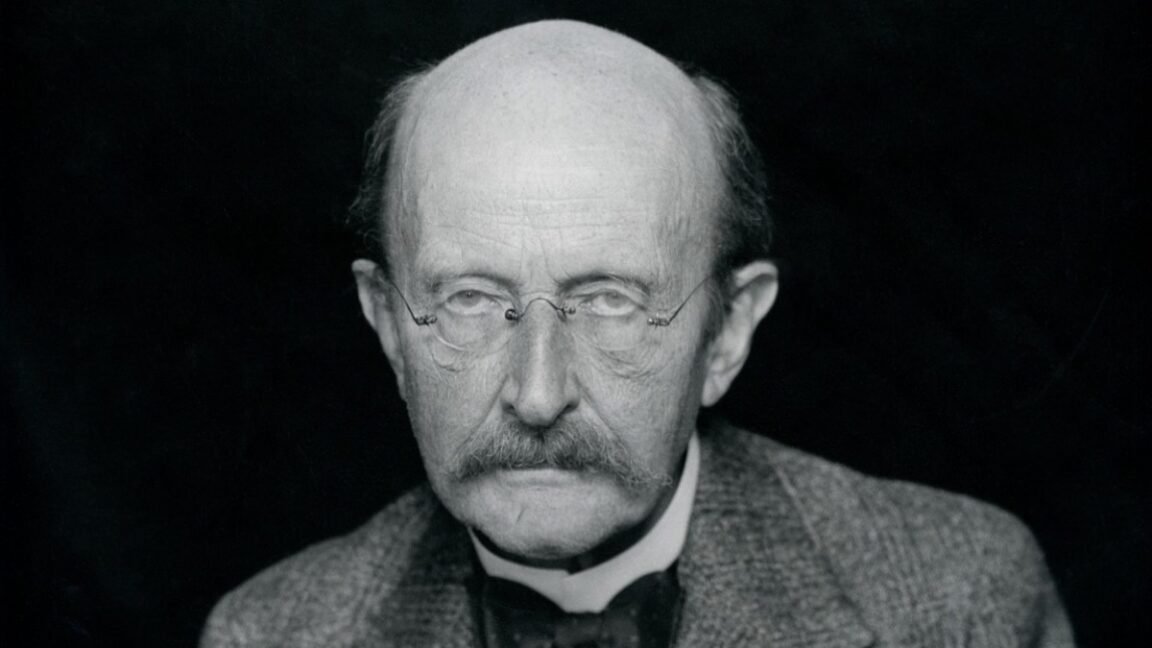
The real issue is whether publishers of scientific journals should retroactively apply contemporary standards regarding duplicate publication or self-plagiarism to historical papers. The journal publishing norms in the early 20th century were substantially different. The emphasis was on achieving the widest dissemination of knowledge across a fragmented scientific community separated by language and geographical distance, publishing in many different journals. As a result, the boundaries were heavily blurred between lectures, conference proceedings, booklets, collected essays, published journal articles and so forth.
The scientific enterprise has since evolved to the point where it is dominated by large commercial publishing groups that are much more sensitive to protecting copyrights and turning a profit. Duplication/self-plagiarism is also more of an issue now, when publications are a major factor when it comes to hiring and promoting scientists, as well as acquiring research fundings. Applying these contemporary standards can be problematic for the “digital circulation of historical texts,” the authors concluded.
The journal’s publisher, Springer Nature, killed an editorial Scarlata planned to run addressing the issue. Springer Nature also declined to comment for the Science article, merely telling Kean through a representative that “detailed information about specific retractions is usually confidential and can only be shared with the relevant authors.”
Given that Planck died in 1947, he can’t get a direct answer either. Both papers are now in the public domain in most countries, so it’s not like copyright violation is even an issue anymore. It’s still possible to access both papers via the Internet archive. But as Gingras and Khelfaoui argue in the their preprint, removing the two papers distorts the historical record. “Whoever did it, I don’t care,” Gingras told Science. “Just put them [back] in the database. Intellectually, it’s not acceptable.”