dailynewsnblog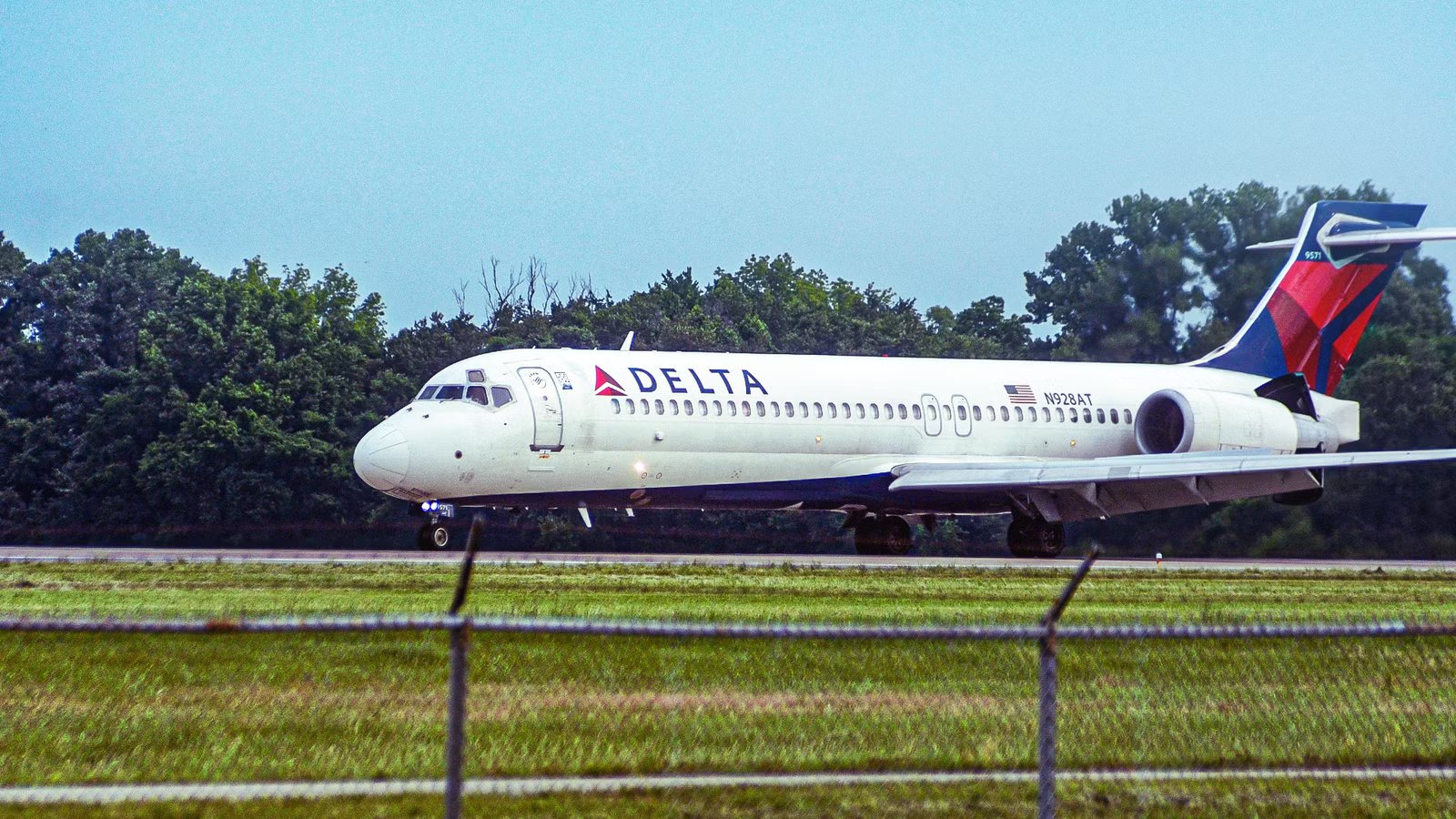
In May 2026,  Delta Air Lines quietly ended all Boeing 717 service at Minneapolis-St. Paul International Airport. The aircraft had been a fixture at MSP for over a decade under Delta, and the T-tail silhouette it shares with the DC-9 had been a constant presence at the airport for roughly 60 years before that. Northwest Airlines operated the world’s largest DC-9 fleet from its MSP hub starting in the late 1960s. Delta inherited those DC-9s in the 2008 merger, retired them in 2014, and replaced them with 717s acquired from Southwest Airlines. The 717’s departure from MSP ends the DC-9 family’s presence at an airport where it was once the most common aircraft on the ramp.
The 717 is the last descendant of the DC-9 lineage. The DC-9 became the MD-80, the MD-80 became the MD-90, the MD-90 became the MD-95, and Boeing renamed the MD-95 the 717 after acquiring McDonnell Douglas in 1997. Delta now operates the type from only two hubs, and the fleet is shrinking as aircraft approach heavy maintenance checks that the airline has decided are no longer worth the investment.
The Last 717 Departure From Minneapolis

Delta Air Lines ended all Boeing 717 service at  Minneapolis-St. Paul International Airport on May 6, 2026. According to Cirium data, the carrier operated just 59 717 flights from MSP during the first six days of May, serving only four destinations and offering approximately 6,500 seats. That was a fraction of the previous month’s operation. In April, Delta flew 498 717 departures from MSP across a wider route network, with Charlotte as the most frequent destination at 70 flights in each direction and Kansas City at 30. March had been the busiest month of the year for the type at MSP, with 775 flights.
The decline was not gradual. Delta removed the 717 from MSP by pulling routes one at a time through the first five months of 2026 and replacing them with Airbus narrowbodies. The A220-100, which carries a comparable seat count to the 717 at 109 seats, absorbed most of the routes the 717 had been serving. The transition happened without a formal announcement or a last-flight ceremony.
The 717 now operates from only two Delta hubs. Atlanta remains the primary base for the type, where it continues to serve short-haul domestic routes across the Southeast and East Coast. The exit from MSP reduces the 717’s geographic footprint within Delta’s network and concentrates the remaining fleet at the carrier’s largest hub, where route density and frequency make the aircraft easier to deploy efficiently as the fleet contracts. Delta has not announced a specific end date for 717 operations at Atlanta.
The DC-9 Family’s 60-Year Presence At MSP

The DC-9 family has been a presence at Minneapolis-St. Paul since the late 1960s, when Northwest Airlines began operating the type on domestic routes from its MSP hub. Northwest became the world’s largest DC-9 operator, peaking at 178 aircraft across the -14, -15, -30, -40, and -50 series. The fleet grew further in 1986 when Northwest merged with Republic Airlines, another MSP-based carrier that had been operating the world’s largest DC-9 fleet at the time of the merger. For decades, the distinctive T-tail silhouette of the DC-9 was the most common sight at MSP’s gates.
Northwest flew its DC-9s principally from MSP, Detroit, and Memphis on the short and medium-haul domestic routes that connected smaller cities to the airline’s hub network. The aircraft was well suited to those missions: a 100-125 seat narrowbody that could operate from shorter runways, turn quickly at the gate, and fly eight or nine segments per day. When Delta merged with Northwest on October 29, 2008, it inherited 97 DC-9s, mostly Series 50 variants averaging over 30 years of age. Delta continued operating them from MSP under its own livery. On January 6, 2014, Delta Flight 2014 from Minneapolis to Atlanta became the last scheduled commercial DC-9 flight on a major US airline. NPR covered the final departure. Captain Scott Woolfrey, who piloted the last flight, described the DC-9 as “a workhorse.”
The 717 arrived at MSP through a different path than the DC-9, but it is the same aircraft family. The DC-9 led to the MD-80, which led to the MD-90, which led to the MD-95, which Boeing renamed the 717. The 717 shares the DC-9’s T-tail configuration, rear-mounted engines, and basic fuselage cross-section. When Delta began operating 717s at MSP after acquiring them from Southwest in 2012, it was not introducing a new aircraft type to the airport. It was continuing a lineage that had been present at MSP for nearly 50 years. The 717’s departure from MSP in May 2026 ends that lineage after approximately 60 years.
How Delta Ended Up With 88 Boeing 717s It Never Ordered

Delta’s 717 fleet arrived through one of the more unusual acquisition paths in US airline history. In 2011, Southwest Airlines completed its purchase of AirTran Airways, a low-cost carrier based in Atlanta that operated 88 Boeing 717-200s alongside a fleet of 737-700s. Southwest had no use for the 717. The airline had built its entire operation around a single aircraft type, the Boeing 737, and adding a second type would have undermined the fleet commonality that was central to Southwest’s cost structure. Every 717 AirTran operated was a 717 Southwest did not want.
Delta did want them. The carrier was looking for a way to retire its aging DC-9s, MD-88s, and MD-90s without committing billions in capital to new aircraft orders. The 88 717s provided a ready-made replacement fleet at favorable lease terms. Southwest refurbished all 88 aircraft and transferred them to Delta under lease agreements that gave Delta access to relatively modern narrowbodies at a fraction of what new-build aircraft would have cost. The first 717 entered Delta service in 2012, and the full fleet was absorbed within approximately two years.
The 717 slotted into the same role the DC-9 had filled for decades at Delta and Northwest before it: high-frequency domestic service connecting secondary cities to major hubs. Atlanta, MSP, Detroit, and Salt Lake City all received 717 service. The aircraft’s 109-110 seat capacity was a close match for the DC-9-50s and MD-88s it replaced, and the Rolls-Royce BR715 engines were more fuel-efficient than the Pratt & Whitney JT8D engines on the aircraft it retired. The 717 was never a long-term fleet solution. It was a bridge aircraft that allowed Delta to clear out its oldest types while waiting for the A220 to enter the fleet, which it did, starting in 2018.
The A220 Replacing The Last DC-9 Descendant

The Airbus A220-100 is the aircraft replacing the 717 on the routes it currently serves. The two aircraft carry a nearly identical number of passengers. Delta configures its 717 with 110 seats in a two-class layout with 12 first class and 98 economy. The A220-100 carries 109 seats in a similar two-class configuration. From a network planning standpoint, the A220-100 is a direct capacity replacement that can slot into the same schedules and route pairings the 717 occupied without requiring frequency adjustments.
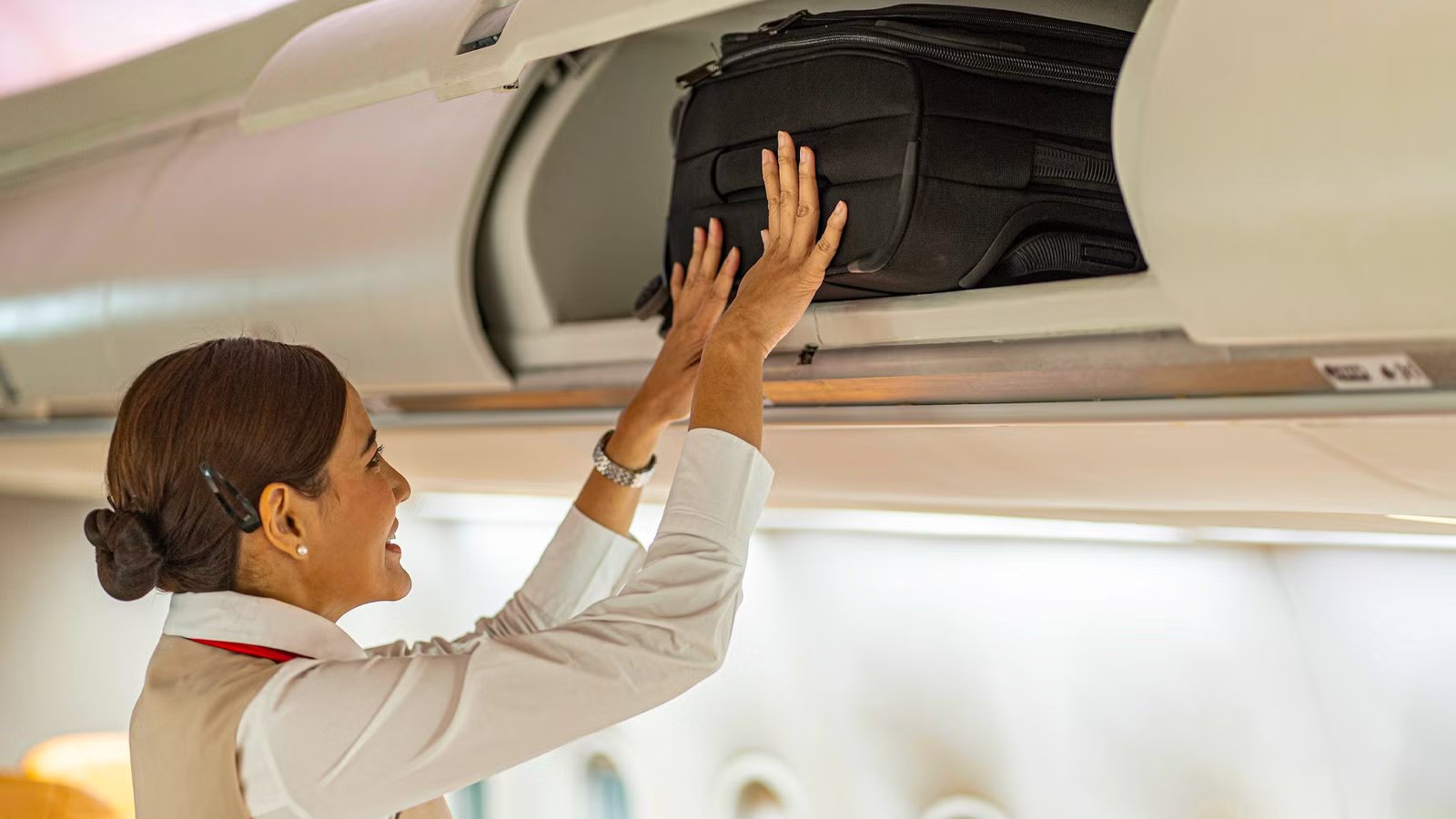
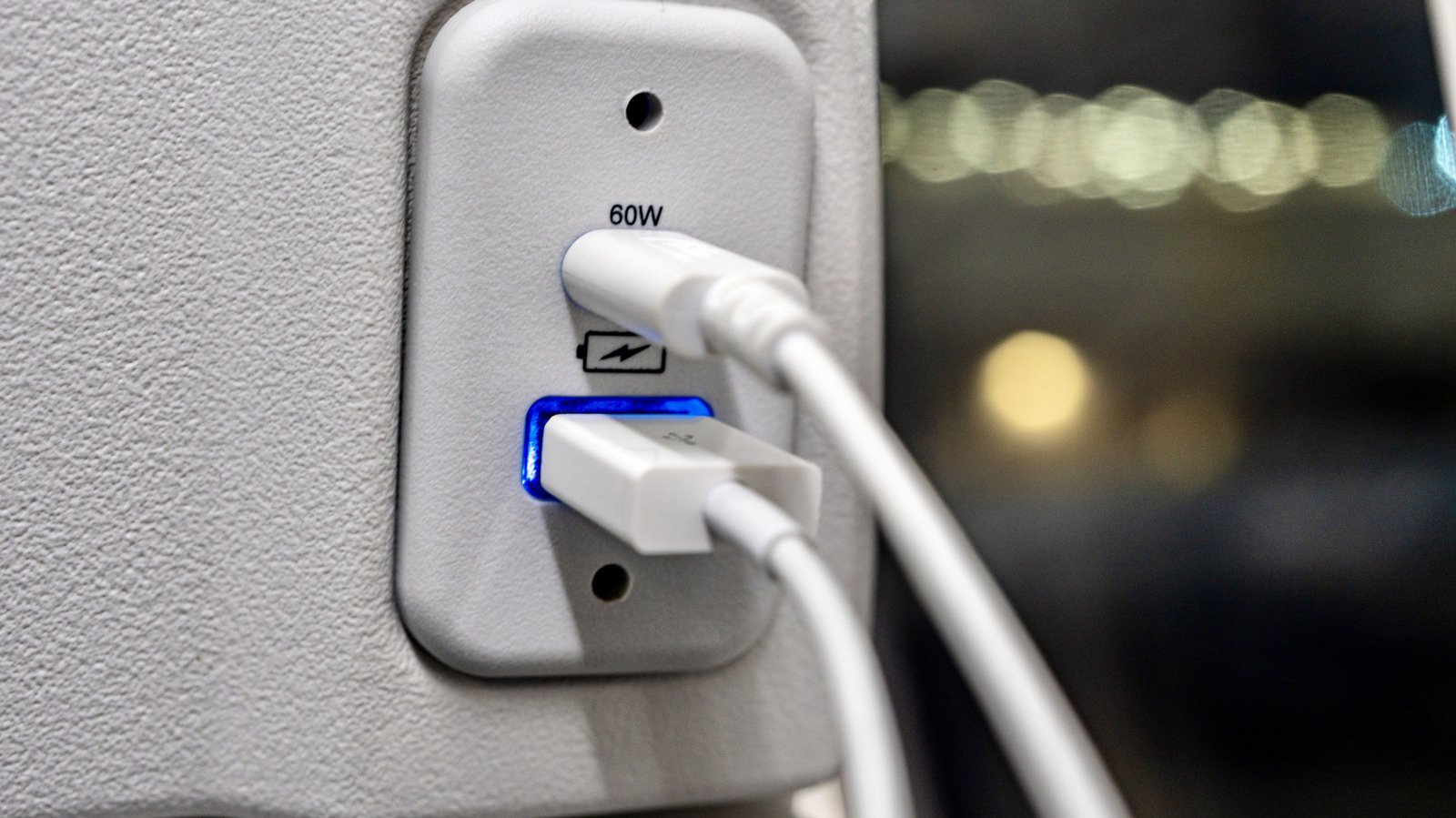
The passenger experience is where the two aircraft diverge. The A220-100’s economy seats measure 18.6 inches (47 cm) wide compared to 17.2 inches (44 cm) on the 717, a difference of nearly 1.5 inches (3.8 cm) per seat. The A220 has larger overhead bins that accommodate standard carry-on roller bags wheel-first, a persistent complaint on the 717, where bin space was limited. Every A220 seat has a seatback entertainment screen, 110V power, and USB charging. The 717 has none of those features. The A220’s cabin is also quieter, with the Pratt & Whitney GTF engines producing noticeably less cabin noise than the 717’s Rolls-Royce BR715s. Larger windows throughout the A220 cabin let in more natural light than the 717’s smaller apertures.
Delta currently operates 45 A220-100s and 36 A220-300s, with 64 additional A220-300s on order. The A220-300 is the stretched variant that carries approximately 130 passengers and is replacing larger narrowbodies on medium-haul routes rather than competing with the 717 for short-haul frequencies. Delivery delays from Airbus have slowed the A220 ramp-up, which is part of why the 717 has remained in Delta’s fleet longer than originally planned. Delta initially indicated the 717 would begin retiring in 2025, but the A220 delivery pace did not support a complete replacement on the timeline the airline had projected. The result is a transition that is happening gradually rather than on the schedule Delta set when it first announced the fleet plan.
When The Last Delta 717 Will Fly

In late June 2026, reports emerged that Delta had begun retiring six 717 airframes four years ahead of schedule, choosing to ground them rather than invest in the heavy maintenance checks each aircraft was approaching. The six aircraft are all over 26 years old, making them among the oldest in the fleet. Fleet tracking data from ch-aviation showed that by early July, only 74 of Delta’s 80 717s were listed as active, suggesting the retirements were already underway. Delta has not publicly confirmed which specific airframes have been grounded, but the pattern is consistent with an airline choosing to part out older aircraft rather than spend millions on maintenance for a type it plans to retire within a few years.
Boeing’s official support for the 717 is ending. With only two operators remaining worldwide, Delta and Hawaiian Airlines, the manufacturer has limited commercial incentive to maintain a dedicated support infrastructure for a type it stopped producing 20 years ago. Delta’s in-house maintenance capabilities, including its TechOps division in Atlanta, give the airline the ability to continue operating the 717 without manufacturer support for a period, using its own inventory of spare parts supplemented by components harvested from retired airframes. That self-sufficiency is what has allowed Delta to keep the type flying beyond the point where Boeing’s active support makes it practical for other operators.
The current expectation across industry analysts and fleet tracking services is that Delta’s remaining 717s will exit service between 2029 and 2031. No firm retirement date has been announced. The pace will depend on how quickly A220 deliveries arrive from Airbus to replace the 717’s remaining routes, and whether Delta decides to accept the maintenance cost of keeping older airframes flying or accelerate retirement by grounding additional aircraft before their next heavy check comes due. When the last Delta 717 departs on its final revenue flight, it will mark the end of the Douglas DC-9 family in scheduled US airline service. The lineage that began with the first DC-9 delivery to Delta in 1965 will have lasted approximately 65 years, spanning four manufacturers, five aircraft designations, and two airline mergers.
Catch what other trackers miss
Emergency squawks, holds, NOTAMs — live signals, no signup.
Open tracker
Catch what other trackers miss
Emergency squawks, holds, NOTAMs — live signals, no signup.
Open tracker