dailynewsnblog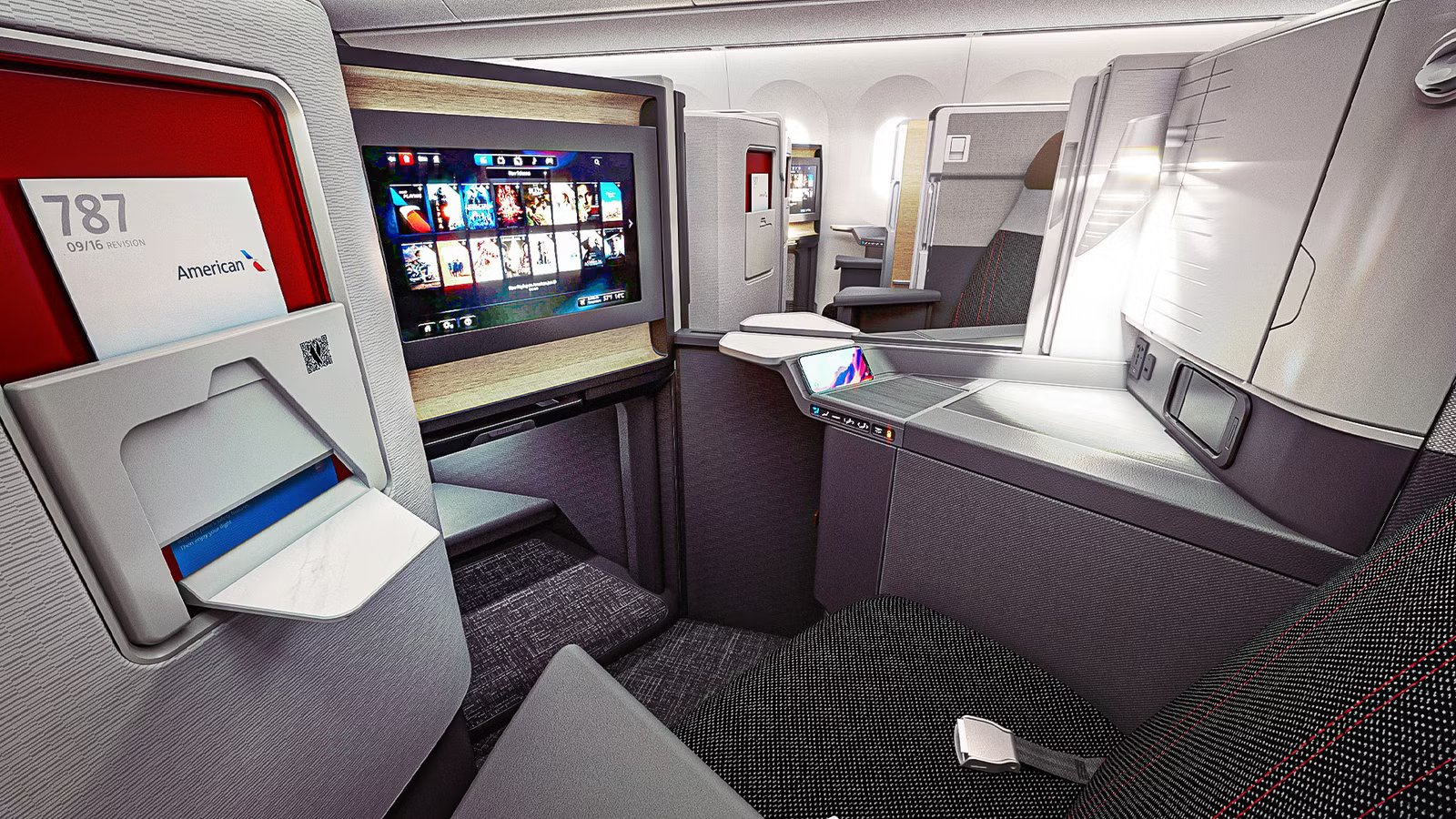
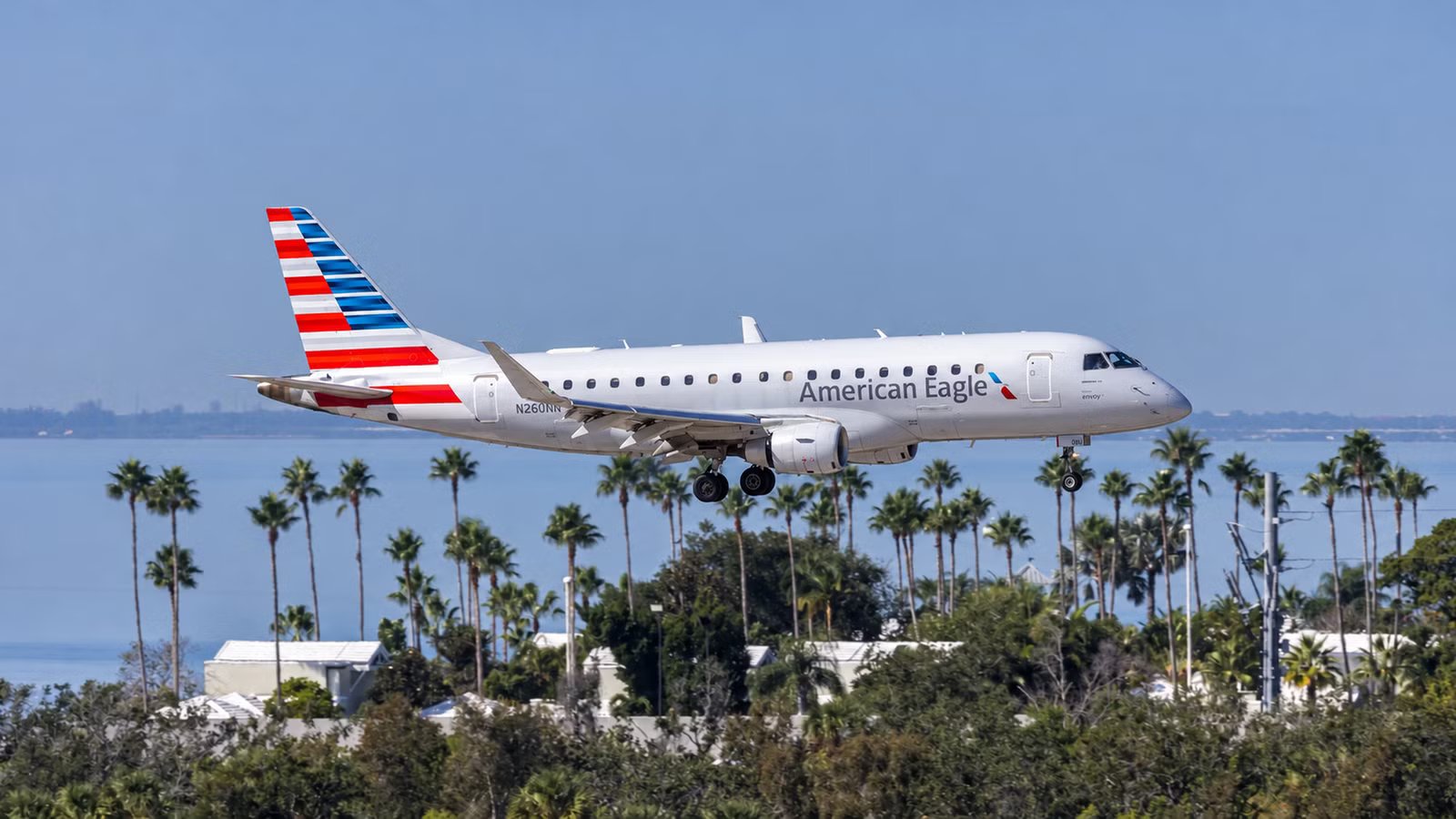
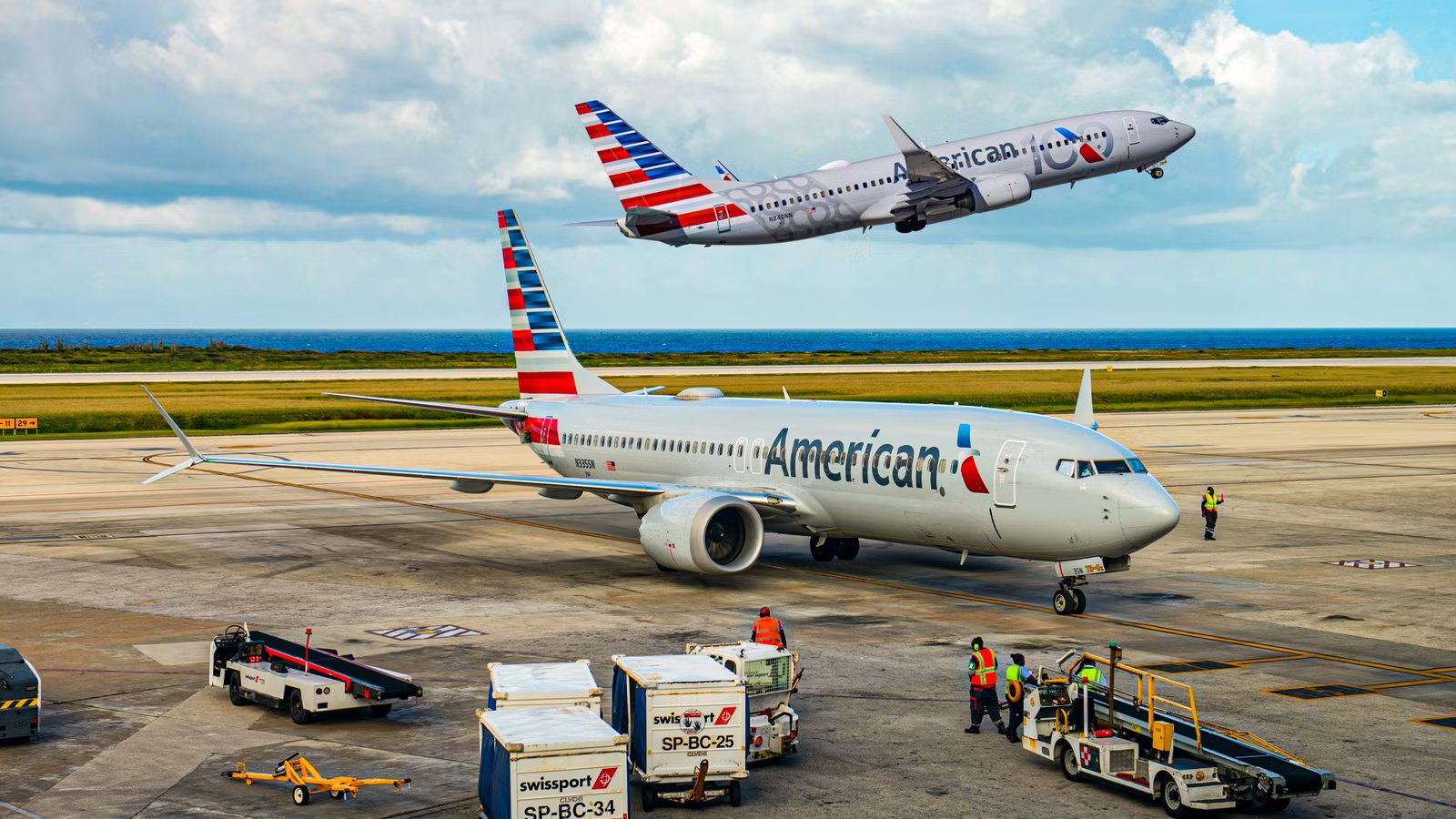
United Airlines has operated its longest flight, UA 101 from Houston to Sydney, since 2018 with the Boeing 787-9. Delta Air Lines’ longest flight, DL 201 from Johannesburg to Atlanta, has been flown nonstop since the late 2000s, now using the Airbus A350-900.  American Airlines, on the other hand, launched its current longest flight, AA7 from Dallas/Fort Worth to Brisbane, in 2024 with the Boeing 787-9.
An addition to it being the newest of these flagship routes, AA7 is also the shortest of the three, at 7,216 NM (13,363 km). American has flown the Boeing 787-9 for nearly a decade, but it could only profitably serve this route recently because of its new 787-9 ‘789P’ layout, which has 51 Flagship Suites and 32 premium economy seats.
The selection of Brisbane is also striking, as it’s only the third-largest city in Australia, behind Sydney and Melbourne, none of which American serves from DFW with its own metal. This route, however, is a perfect example of the complexities of airline route planning, showing that network design is about far more than connecting points on a map.
The Importance Of Joint Ventures

United Airlines has a codeshare agreement with Virgin Australia, while Delta Air Lines has an interline agreement with Rex. This means that the carriers sell tickets on each other’s flights, with United also placing its code on certain Virgin Australia flights. American Airlines, on the other hand, operates a metal-neutral joint venture with Qantas, the flag carrier of Australia and the nation’s largest airline.
As such, the two carriers codeshare, while also coordinating pricing, schedules, and sharing revenue. On routes between the US and Australia, American and Qantas act as one airline, and as a result, while American only serves Brisbane with its own metal from DFW, it also serves Sydney and Melbourne through the Qantas joint venture.
Given Qantas’s operations in Brisbane, as well as the route’s schedule that’s optimized around connections in DFW, it was likely determined that it was better for American to serve this ultra-long-haul route with its 787s, while Qantas handles Sydney and Melbourne. There are benefits and drawbacks to letting a joint venture partner serve long-haul routes, but American is generally conservative with long-haul routes.
Catch what other flight trackers miss
Emergency squawks, holds, NOTAMs — live signals, no signup.
Open tracker
Catch what other flight trackers miss
Emergency squawks, holds, NOTAMs — live signals, no signup.
Open tracker
The carrier doesn’t like flying these types of routes that are expensive to operate and require pricey widebody aircraft, and when it comes to Oceania, it hardly needs to. American serves Auckland seasonally from DFW and Los Angeles, but it only flies to Sydney from Los Angeles and Brisbane from DFW, while not serving Melbourne at all.
The Impact Of American’s New 789P

American Airlines originally launched the Brisbane route with its standard Boeing 787-9, which features 30 Flagship Business seats, 21 premium economy seats, and a total capacity of 285 passengers. However, in October 2025, it began deploying the 789P on this route, which had entered service earlier that year, and the 789P remains on the route to this day.
The 789P has far more premium seats and only 244 seats in total, making it an ideal fit for American’s longest route. Route economics are determined in large part by revenue and operating cost. American’s previous layout was extremely dense, which makes it ideal for leisure-focused destinations like Athens, a high-volume spoke with occasionally low yields.
Airline | Aircraft | Business Class | Premium Economy | Economy | Total Seats |
|---|---|---|---|---|---|
American Airlines | Boeing 787-9 (789) | 30 (11%) | 21 (7%) | 234 (82%) | 285 |
Boeing 787-9 (789P) | 51 (21%) | 32 (13%) | 161 (66%) | 244 | |
Delta Air Lines | Airbus A350-900 (35H) | 40 (15%) | 40 (15%) | 195 (70%) | 275 |
Airbus A350-1000 | 53 (17%) | 48 (15%) | 213 (68%) | 314 | |
United Airlines | Boeing 787-9 (78P) | 48 (19%) | 21 (8%) | 188 (73%) | 257 |
Boeing 787-9 (78L) | 64 (29%) | 35 (17%) | 123 (55%) | 222 | |
Singapore Airlines | Airbus A350-900ULR | 67 (42%) | 94 (58%) | N/A | 161 |
Qatar Airways | Airbus A350-1000 | 46 (14%) | N/A | 281 (86%) | 327 |
Boeing 777-200LR | 42 (15%) | N/A | 230 (85%) | 272 | |
Qantas | Airbus A350-1000ULR | 52 plus 6 First (24%) | 40 (17%) | 140 (59%) | 238 |
Boeing 787-9 | 42 (18%) | 28 (12%) | 166 (70%) | 236 |
Certain destinations, however, have higher demand for business class seats, and premium seats have significantly higher margins than economy seats. On ultra-long-haul flights, the high operating cost means that revenue becomes more important than ever, which means that airlines typically need an aircraft with a large number of premium seats.
What happens with an aircraft configured like American’s original 787-9 layout is that the small business class cabin often goes out full, but doesn’t generate enough overall revenue, while the large economy cabin still doesn’t generate enough revenue. This results in poor operating economics. The large premium cabins on the 787-9P means that American can now generate far more revenue, despite the loss of 41 seats overall, and this makes the route far more profitable.
Why Start Flying To Brisbane Airport?

Just like airlines, airports are also run as for-profit entities. New routes bring additional business, while also contributing to the economy of the area that they serve. However, given the stage lengths involved with routes from the US to Australia, airlines have focused only on serving Sydney, while United has served Melbourne since 2014. However, in the 2020s, the government of Queensland began offering airlines lucrative subsidies to commence service to Brisbane.
This is why American, Delta, and United have all launched nonstop routes to Brisbane in recent years. United Airlines began serving Brisbane from San Francisco in 2022, while American launched the DFW-to-Brisbane route in 2024. Delta, meanwhile, also began flying to Brisbane in December 2024 from Los Angeles. All three routes are viable because of the substantial subsidies that each airline has received from the government of Queensland.
These make the routes viable even with low load factors. The Brisbane route would likely still be profitable even with American’s previous 787-9 layout, although the use of the 789P has certainly boosted margins. US airlines as a whole operate far fewer widebodies than narrowbodies, which means that they need to pick and choose where to deploy them.
Twin-aisle planes can’t just be deployed on routes that may be profitable, but they also need to be placed on routes that will make the most amount of money. However, demand to Australia from the US is higher during the northern winter season, when demand to Europe is at its lowest, and this means that destinations like Brisbane are especially valuable, as this allows the carriers to use their aircraft profitably, when utilization would otherwise be lower.
American’s Previous Failings With Long-Haul Flights

As proof of how aircraft layouts can determine the success of a route, look no further than  Chicago O’Hare International Airport. American previously served Beijing, Shanghai, and Tokyo Narita, but it cut all of these routes because they were unprofitable. These routes initially used the Boeing 777, but were largely downgauged to the 787-8, and subsequently cut.
There were several factors behind the decline of American’s Asia network out of Chicago-O’Hare, but the use of the 787-8 was certainly not helpful. An aircraft like the Boeing 787 is useful on long-haul routes because of its low operating costs, but in American’s layout, the 787-8 only has 20 Flagship Business seats and 28 premium economy seats.
Aircraft | Flagship Business | Premium Economy | Economy | Total Seats |
|---|---|---|---|---|
Boeing 787-8 | 20 (9%) | 28 (12%) | 186 (79%) | 234 |
Boeing 787-9 | 30 (11%) | 21 (7%) | 234 (82%) | 285 |
Boeing 787-9 (789P) | 51 (21%) | 32 (13%) | 161 (66%) | 244 |
Given that Tokyo, Shanghai, and Beijing are all large business destinations, American was essentially giving up revenue. What’s more, while pricing is partially driven by supply, American was under intense pricing pressure from Asian carriers, which means that it couldn’t earn a premium from customers. American was hardly generating any revenue on these routes, and they were expensive to operate even with the 787, given the long stage lengths involved.
What’s more, American’s widebody fleet has always been small in comparison to United, which has long been the juggernaut across the Pacific. As such, the routes from Chicago to Asia went away, while American shifted focus to  Dallas/Fort Worth International Airport, a fortress hub for the carrier where it has stronger control over pricing than Chicago.
American’s Change In Cabin Layouts

In the early 2010s, American was all in on premium seats. During this time, American began taking delivery of Boeing 777-300ERs with eight Flagship First seats and 52 Flagship Business seats, Airbus A321-200s in a three-class layout with 10 Flagship First seats and 20 Flagship Business seats, while planning a 777-200ER layout with 45 Flagship Business seats and a 787-8 layout with 28 Flagship Business seats.
However, in 2013, American merged with US Airways, and the new leadership team had a different philosophy in mind. The new American Airlines aimed to move away from corporate contracts, lower per-seat costs, and focus on offering competitive domestic schedules. While the A321Ts and 777-300ERs kept their layouts, the 787-8s lost two rows of Flagship Business when they received premium economy.
The 787-9s were delivered with just 30 Flagship Business seats. American focused on density rather than premium revenue, which isn’t ideal for long-haul and ultra-long-haul routes. Today, however, premium demand is at an all-time high, while American’s profit margins have been tiny in comparison to the competition
As such, its latest 787-9s are being delivered with nearly as many Flagship Business seats as the 777-300ERs, as American’s previous layouts were simply leaving money on the table in the current market conditions. American is also refurbishing its 777-300ERs to feature 70 Flagship Suites, while it’s planning to refurbish its 777-200ERs with 25% more premium seats.