dailynewsnblog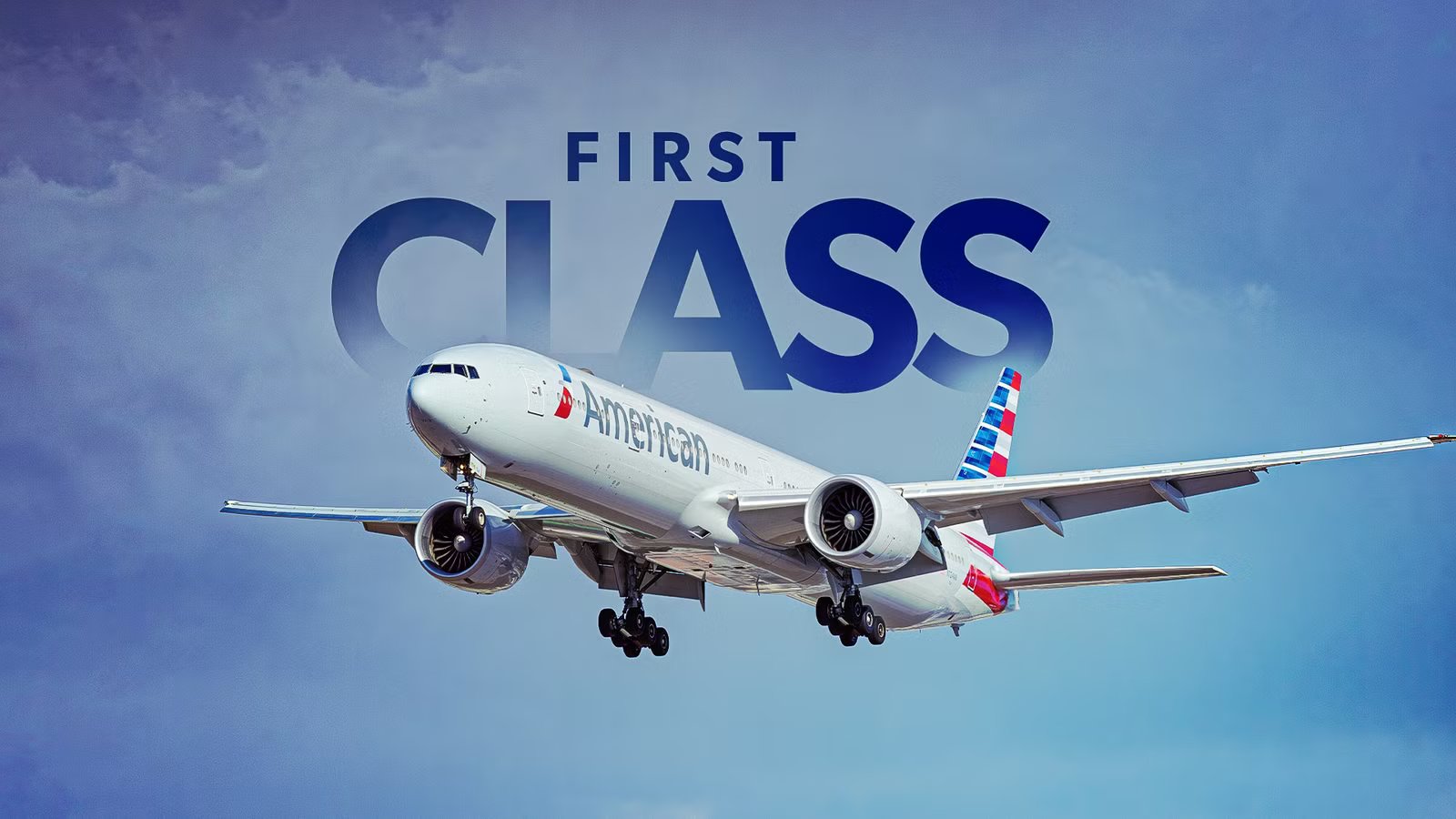
 American Airlines has effectively hammered the final nail in the coffin of US international first-class travel. With the rollout of its Flagship Suite product, the airline will ultimately have axed Flagship First on all of its long-haul aircraft within the coming years. Not only does this spell an end to the traditional first class cabin at the airline, it also means the industry in the US will have fully transformed to modern, upgraded business class options as an alternative.
Indeed, rivals  Delta Air Lines and
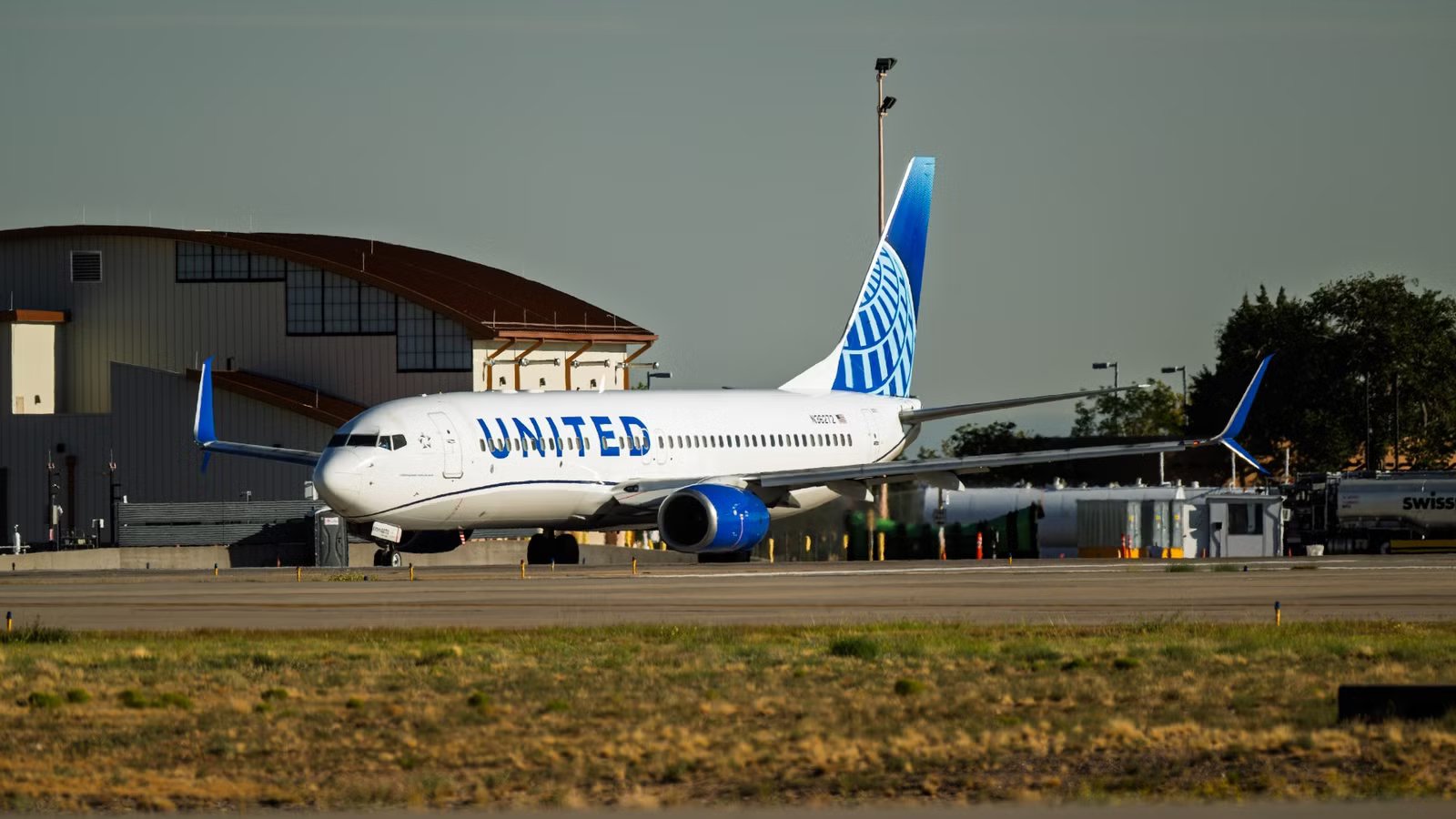
  United Airlines made similar moves years ago, leaving American to play catch-up. But why have they all deemed it necessary to switch up premium offerings, and what will the Flagship Suite offer American that its Flagship First does not?
American Airlines’ Premium Push

American’s move away from a three-class layout with a traditional first class cabin follows a wider shift across much of the long-haul market. Where the configuration dominated historically, attention today has turned more heavily to premium offerings. That means both through hard products like seats or suites themselves, but also the number of each offered.
Take American, where Flagship First is only offered on international routes via its Boeing 777-300ER fleet. Those yet to be refurbished to include Flagship Suites currently house 60 seats between first and business class. Following the upgrades, these same planes are being fitted with 70 Flagship Suites and 44 premium economy seats.
This mirrors a wider shift at the airline, with American laying out plans to grow premium seating on its long-haul fleet by “more than 45% by 2026” upon unveiling the Flagship Suite in 2022. While this timeline has suffered some delay since, the point stands that American has sought to tempt increasing numbers of higher-paying passengers. Aside from the retrofitting of 777s, American also said back in 2022 that newly-delivered Boeing 787-9 and Airbus A321XLR aircraft would feature fresh interiors and Flagship Suites. Some 51 and 20 of these would be fitted in each model respectively, alongside 32 and 12 premium economy seats, the carrier said at the time.
Flagship Suite Vs Flagship First

American, like its peers, has not just simply sought to increase the availability of premium seats. What is actually offered has changed between the Flagship First seat and Flagship Suite. Namely, the new option boasts far more privacy.
Aboard those 777-300ERs yet to be updated, Flagship First passengers will find a lie-flat seat measuring 21.5 inches (54.6 cm) in width. These swivel up to 90 degrees in order to create a working space for flyers that faces away from the aisle. None of these include privacy doors, however, which have been fitted to the Flagship Suites, marking the most notable upgrade between the two.
American Airlines (unrefurbished, 304 seats) Boeing 777-300ER layout:
Class | Seat count | Seat pitch | Seat width |
Flagship First | 8 | lie-flat | 21.5 inches (54.6 cm) |
Flagship Business | 52 | Lie-flat | 20.5 inches (52.1 cm) |
Premium Economy | 28 | 38 inches (96.5 cm) | 18.5 inches (47 cm) |
Main Cabin Extra | 30 | 34 inches (86.4 cm) | 18.1 inches (46 cm) |
Main Cabin | 186 | 31 inches (78.7 cm) | 16.2-18.1 inches (41.2-46 cm) |
Based on American’s fact sheet for its Premium Boeing 787-9, the new lie-flat Flagship Suite seats also offer slightly more width, measuring 21 to 22 inches (53.3 to 55.9 cm). Some eight so-called Flagship Suite Preferred spots are fitted aboard, using the dead space in front of every bulkhead seat to offer more room and perhaps act as a more direct successor to the outgoing first-class product. American boasts that Flagship Suites feature “more personal storage” too, alongside the likes of a reading light, mirror, and trinket tray, among other perks.
What Are The Benefits Of Flying In American Airlines’ New Flagship Business Class?
Uncover the secrets behind American’s new Flagship Business Class and how it stacks up against the competition.
Why Ditch Traditional First Class?

American’s rollout of the Flagship Suite is realistically part of a wider plan to upgrade the interiors of its aircraft, and the airline’s move to ditch its first-class offering must be taken in this context. On the Premium 787-9s mentioned above, American notes a “reimagined premium economy cabin and redesigned main cabin” accompany the Flagship Suites.
This means that passengers should notice a fresh look and features to modernize cabins – such as WiFi, Bluetooth, and wireless charging, as American lists – aboard the latest aircraft. Seats themselves have also been revisited. A premium economy passenger now gets 19 to 19.5 inches (48.3 to 49.5 cm) of width on the Premium 787-9, against the 18.5 inches (47 cm) aboard American’s older 777-300ER, for instance.
American Airlines Premium Boeing 787-9 (244 seats) layout:
Cabin | Seat count | Seat pitch | Seat width |
Flagship Suite Preferred | 8 | Lie-flat | 21-22 inches (53.3-55.9 cm) |
Flagship suite | 43 | Lie-flat | 21-22 inches (53.3-55.9 cm) |
Premium economy | 32 | 38 inches (96.5 cm) | 19-19.5 inches (48.3-49.5 cm) |
Main Cabin Extra | 18 | 34 inches (86.4 cm) | 17.6 inches (44.7 cm) |
Main Cabin | 143 | 31 inches (78.7 cm) | 16.5-17.6 inches (41.9-44.7 cm) |
But the refurbishment appears to be more than just about modernizing and glossing up interiors. Of the 304 seats onboard those American 777-300ERs up for refurbishment, over 200 are the most basic economy seats. Aboard the Premium 787-9s, these most basic seats make up 143 of the 244 total on offer. This means that the cheapest seats account for just under 62% of the total in the outgoing configurations, but closer to 59% on American’s newer jets. American has, in the case of the last remaining long-haul jets with Flagship First and those replacing these with Flagship Suites aboard, clearly moved towards marketing a greater proportion of seats to premium passengers.
Following Delta And United Years Later

American is far from the only airline attempting to boost revenue by ramping up premium seat availability. According to consultancy McKinsey & Company, business, first, and premium economy sections are making up an increasing percentage of total seats, passengers, and revenue in North America and Europe. “On heavily trafficked transatlantic routes, a business-class cabin might now contribute nearly as much revenue as an economy cabin while using far less space on the plane and delivering higher margins,” it writes.
For example, a typical one-way, widebody flight from London to New York generates $174,093 worth of revenue, per the consultancy. Of this, $65,100 comes from business class sales, while economy accounts for $69,120. Given that business class usually accounts for far fewer seats than economy, it is no wonder airlines would rather maximize sales of the more lucrative tickets.
Whether American is behind the curve or has only found it necessary to shake up its premium offering recently is up for debate. That said, key rivals Delta and United axed their traditional first-class cabins on long-haul routes several years ago in favor of upgraded business class seats. For Delta, this came way back in 1998, with United then following suit in 2016.
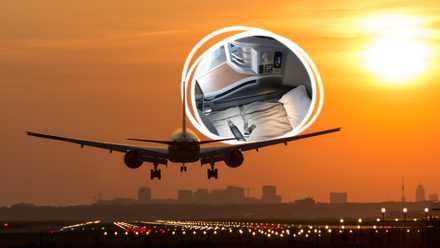
Why Don’t Most US Airlines Have An International First Class?
Why do most US airlines ditch international first class? Discover why business class is now the new luxury standard in the skies.
Premium Revenue Growth

Today, it appears this growing focus on premium is paying off for airlines. Delta, for instance, reported that its main cabin capacity had contracted by 3% over the three months to the end of March, “as continued investment in fleet renewal drove premium seat mix higher”. Passenger revenue grew 7% to $12.3 billion in the meantime, in part driven by a 14% jump in premium ticket sales as main cabin turnover edged up by just 1%.
United also saw premium ticket sales outpace basic economy revenue over the same period, with each growing by 14% and 7%, respectively. These helped push total operating revenue up by 10.6% over the quarter to $14.6 billion at the airline.
Simple Flying Quiz
Think you really know American Airlines?
Answer 10 questions and put your knowledge to the test
Think you really know American Airlines?
Answer 10 questions and put your knowledge to the test
Easy (15s)Medium (10s)Hard (5s)
American has not missed out on the party, though, having also referenced in January that premium product offerings “continued to perform exceptionally well,” outperforming the main cabin in the fourth quarter. It added: “Systemwide revenue intakes for the first three weeks of 2026 are up double digits year over year, driven by strong performance in the premium cabins and corporate channels.”
Premium Economy Is Today’s Business Class

It is not so much that American is simply getting rid of its international first-class product. Rather, this has been replaced by the suite under a different name. The same fate has befallen first-class cabins across the world, again not seeing them disappear, but instead replaced by a modern alternative.
The emergence of premium economy arguably signed the death certificate of the traditional first-class seat. What was once designed to bridge the gap between economy and business has developed into a separate class in its own right over the years. This means that premium economy mirrors older business class offerings today, while business seats look more like those formerly of first class cabins.
So, something had to give, and it is exactly this older style of first-class seat that has disappeared in recent decades as a result. American may have held out with its Flagship First offering until now, but the airline’s own introduction of premium economy on international flights back in 2016 likely meant that the offering’s days were always going to be numbered. As American chief commercial officer Vasu Raja commented in 2022: “The quality of the business class seat has improved so much. And frankly, by removing first class, we can offer more business class seats, which is what our customers want most or are most willing to pay for.”