dailynewsnblog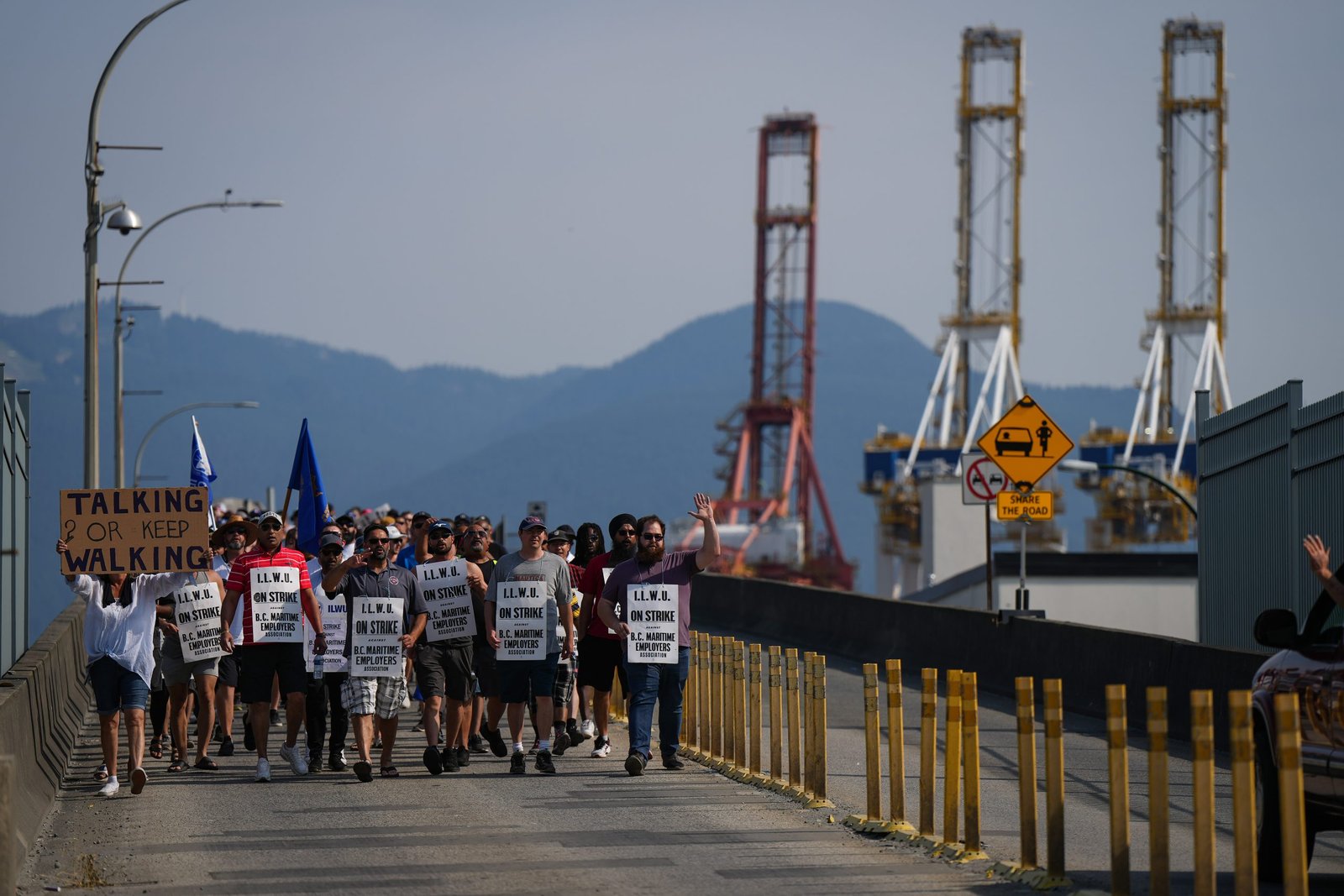
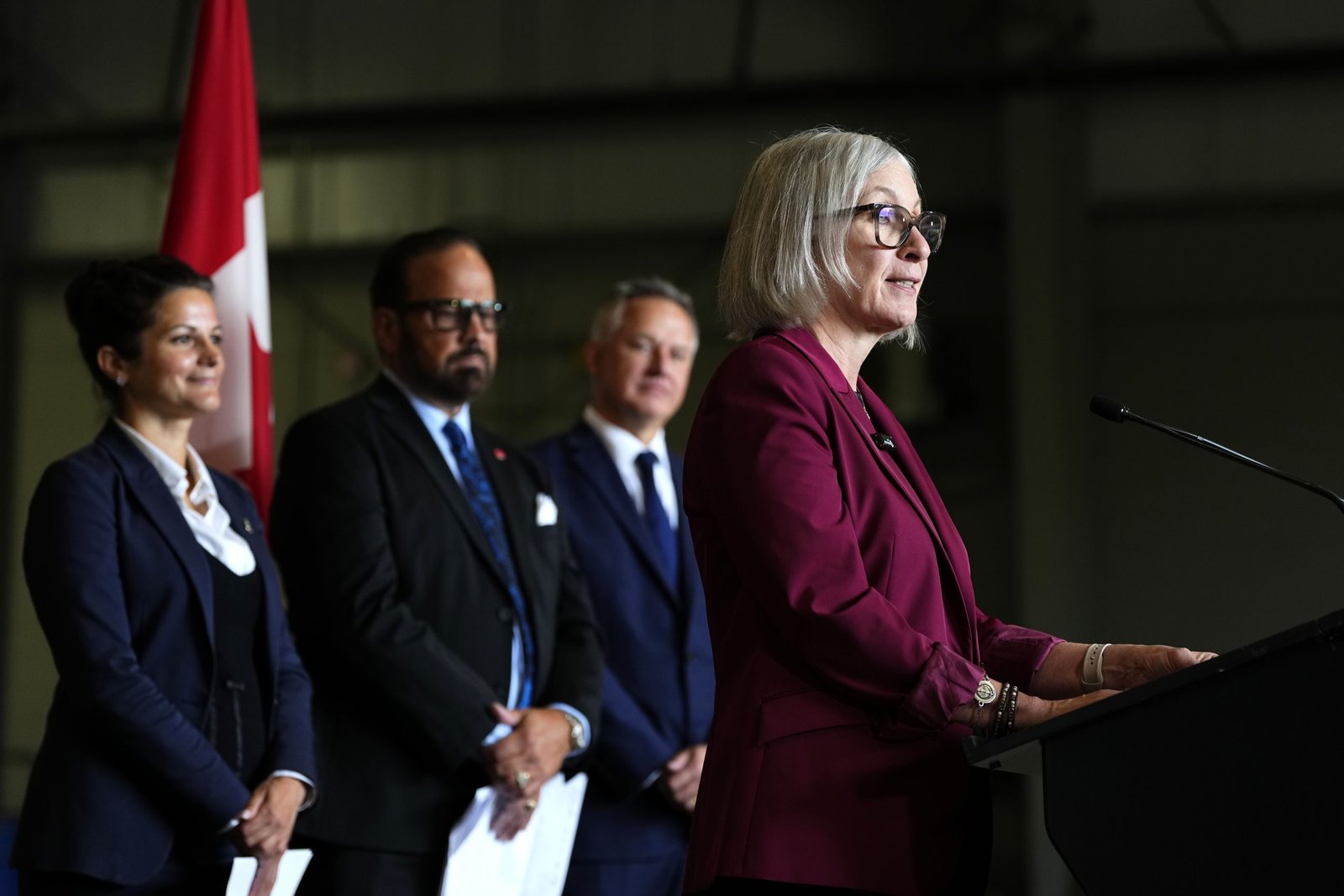
Ottawa’s proposed labour reforms are far from perfect but will slow down ministerial orders to squash strikes or lockouts and put more pressure on businesses to broker a deal, says the head of a coalition of trade unions.
Sean Strickland, president of Canada’s Building Trades Unions, credited the government’s sweeping economic bill for introducing stronger penalties for wage theft and misclassification of workers, improved support for first collective agreements and protecting successor rights in contracts.
Despite that praise, he expressed disappointment that Bill C-39 didn’t remove a controversial section in the Canada Labour Code that gives the government broad authority to intervene in work stoppages.
Section 107 has been on the books for decades, though it’s only in recent years that the Liberal government has used the clause to order an end to strikes and lockouts. Before 2023, the government typically resorted to passing back-to-work legislation to curtail work stoppages.
Marco Vigliotti has more.

Foreign Affairs Minister Anita Anand says she is checking to see if Israeli Prime Minister Benjamin Netanyahu — who faces an international arrest warrant — will be travelling through Canadian airspace on Thursday.
“I actually have asked my department to provide me with information relating to this particular flyover, which I did not have before coming to the United Nations,” Anand told reporters Wednesday outside UN headquarters in New York.
In November 2024, the International Criminal Court issued an arrest warrant for Netanyahu for alleged war crimes in the Gaza Strip.
Netanyahu is set to visit New York on Thursday. Prime Minister Mark Carney said in October that the Israeli leader will be arrested if he enters Canada.
The Canadian Press has more.
In Other Headlines
Internationally
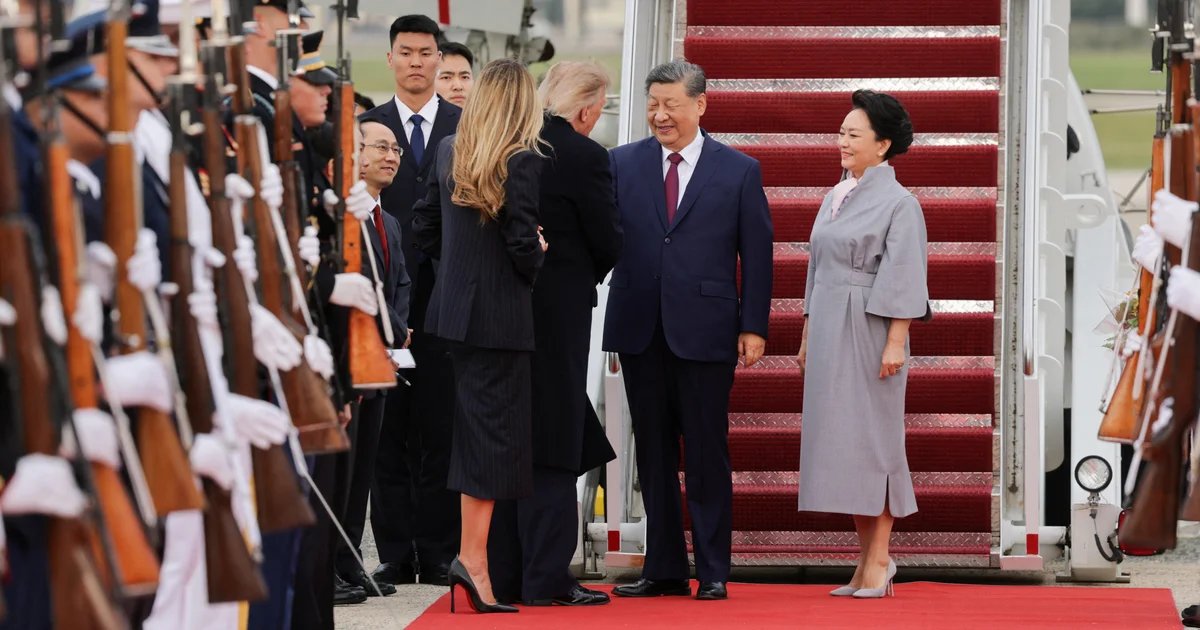
Elsewhere, Chinese leader Xi Jinping is set to arrive in the United States on Wednesday evening for his first state visit in 11 years, opening high-stakes talks with President Trump at a pivotal moment for both men.
It is the second time the leaders are meeting this year after the Beijing summit in May, when they agreed to build a more stable bilateral relationship.
Both leaders are trying to shore up power at home. For Trump, the visit comes just over a month before the midterm elections, and for Xi, preparations for an all-important Party Congress start when he returns to Beijing.
But despite both countries projecting a willingness to build what China has dubbed a relationship of “constructive strategic stability,” fierce negotiations over weighty subjects such as AI and trade are underway.
NPR has more.
Europe’s biggest economy, Germany, has committed to phasing out fossil fuels by 2045, despite fierce debate about its green policies.
In a roadmap published on Wednesday, the German government set out for the first time an explicit promise of “transitioning away” from fossil fuels. Previous pledges were only for “carbon neutrality”.
The plans include ramping up renewable energy from 55% to 80% of electricity generation by 2030, with an additional 12GW of onshore wind, and a target of 215GW of solar energy by 2030. The previously stated target of winding down coal use in the next decade, with a view to an exit from coal in 2038, was also reaffirmed, with the potential for an earlier target of 2035.
Emissions of methane, a greenhouse gas 80 times more powerful than carbon dioxide, will be cut by 30% by 2030, in accordance with a global methane pledge signed in 2021.
Read more from The Guardian.
In Other International Headline
The Kicker
As world leaders convene at the U.N. General Assembly this week, the internet still finds space to capture whimsical moments.
Like that time when the president of Haiti drank water straight from the pitcher.