dailynewsnblog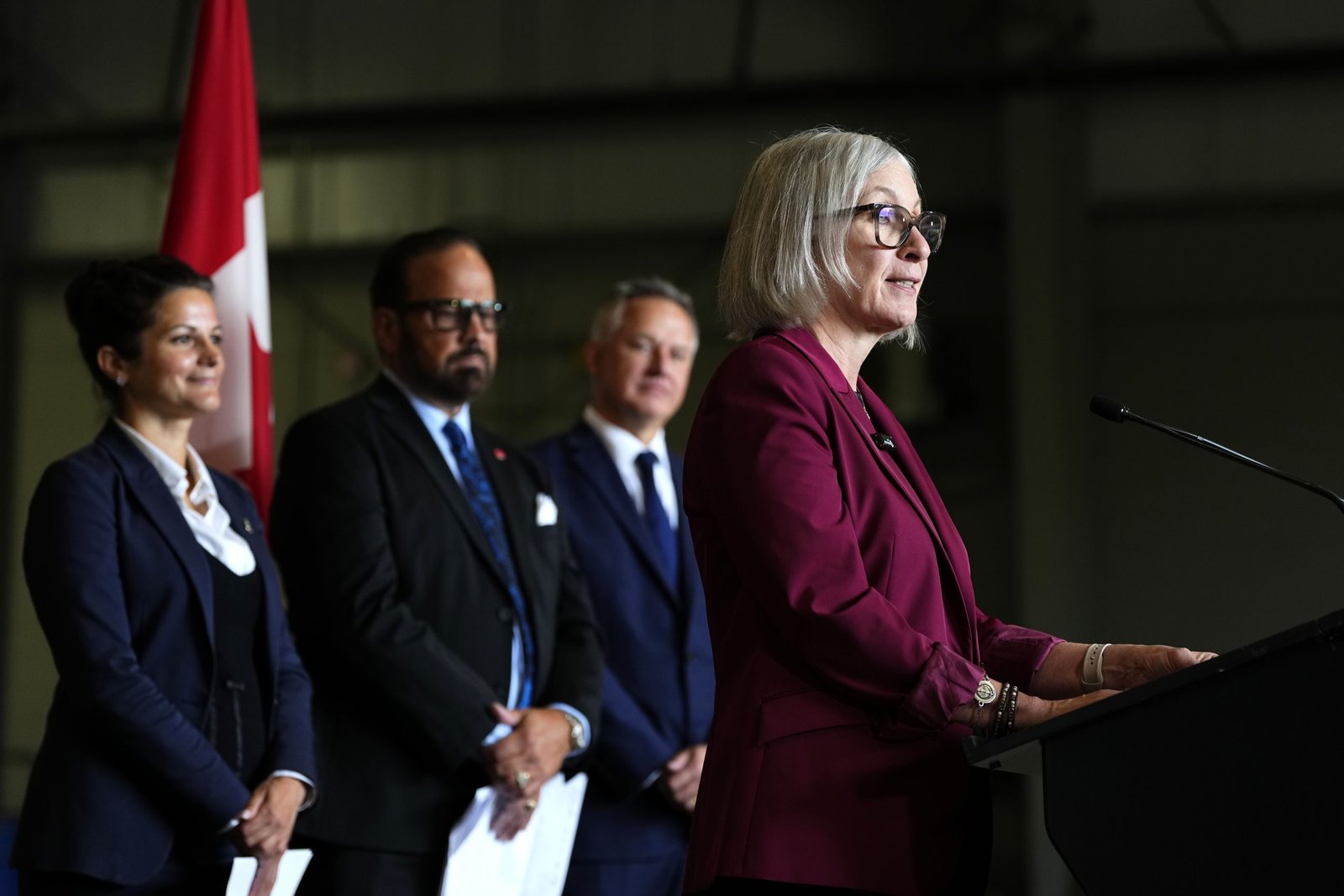
“At the end of the day, a strike or lockout still may occur, but you’ve gone through some really substantive steps here to try to get parties to make a deal,” said Sean Strickland, president of Canada’s Building Trades Unions.
Ottawa’s proposed labour reforms are far from perfect but will slow down ministerial orders to squash strikes or lockouts and put more pressure on businesses to broker a deal, says the head of a coalition of trade unions.
Sean Strickland, president of Canada’s Building Trades Unions, credited the government’s sweeping economic bill for introducing stronger penalties for wage theft and misclassification of workers, improved support for first collective agreements and protecting successor rights in contracts.
Despite that praise, he expressed disappointment that Bill C-39 didn’t remove a controversial section in the Canada Labour Code that gives the government broad authority to intervene in work stoppages.
Section 107 has been on the books for decades, though it’s only in recent years that the Liberal government has used the clause to order an end to strikes and lockouts. Before 2023, the government typically resorted to passing back-to-work legislation to curtail work stoppages.
Labour unions have called the section undemocratic, while industry has been largely supportive as they’ve pressed Ottawa to act more decisively to end strikes that disrupt crucial components of Canada’s supply chain infrastructure.
Bill C-39 overhauls s. 107 by setting conditions for when the minister can disrupt strikes or lockouts, and order binding arbitration. Those conditions include appointing a special mediator to observe the labour dispute.
Under the revised s. 107, the minister can only act if the special mediator files a public facing report supporting intervention and declaring the matter to be in the national interest.
Jobs and Families Minister Patty Hajdu said the section created “guardrails” and promised the government would consider the impact on the economy and the “constitutional right to strike” when weighing whether to intervene.
“…[T]here will be a balanced perspective that looks at the entire national interest,” she told reporters on Monday.
Defining the national interest remains the major point of contention, according to Strickland, who said Ottawa should create a specific threshold for intervention. He said that threshold should limit ministerial intervention to cases where continuing a strike or lockout would “cause significant harm to public health, public safety, security, or… there’s no reasonably foreseeable end to the underlying labor dispute.”
Even as currently drafted, Strickland said the new bill would at least delay how quickly a minister could issue an order to halt a job action because of requirements for the appointment of a special mediator.
“If you just look at the the process now, they’re building in way more process before it gets to a decision point around Section 107, which I think is good for all parties in determining a fair collective agreement,” he said, noting the mediator would have 21 days to complete a report.
“At the end of the day, a strike or lockout still may occur, but you’ve gone through some really substantive steps here to try to get parties to make a deal.”
Strickland added that he wants Ottawa to make sure the mediator’s report is fully public to give Canadians a firmer picture of what’s causing the work stoppage.
Fertilizer Canada president Michael Bourque largely welcomed the new bill but warned that delaying ministerial intervention could hamstring industries impacted by strikes in the transportation sector.
He said he hoped that would be offset by different sections of C-39 that would allow for an earlier start to bargaining and force mediation for parties whose previous deal came after a work stoppage.
“When you get right down to it, it’s about making sure that we can bring the parties back to the table before there’s a disruption. And if it takes too long to invoke 107, then that defeats the whole purpose,” he said.
“That impacts your shipment. Therefore, it impacts your bottom line. It impacts the reputation of the country. It impacts future opportunities.”
The fertilizer industry relies on rail and ports to ship product to overseas markets. Those have also been the sites of some of Canada’s costliest recent work stoppages. A nearly two-week long strike at the West Coast ports in 2023 led to layoffs, and a brief lockout at Canada’s two major railways paralyzed shipments for weeks.
Bourque said these stoppages have hurt the reputation of Canada’s fertilizer industry to the point that “Russia is seen as a more reliable partner.”
“That’s crazy,” he added.