dailynewsnblog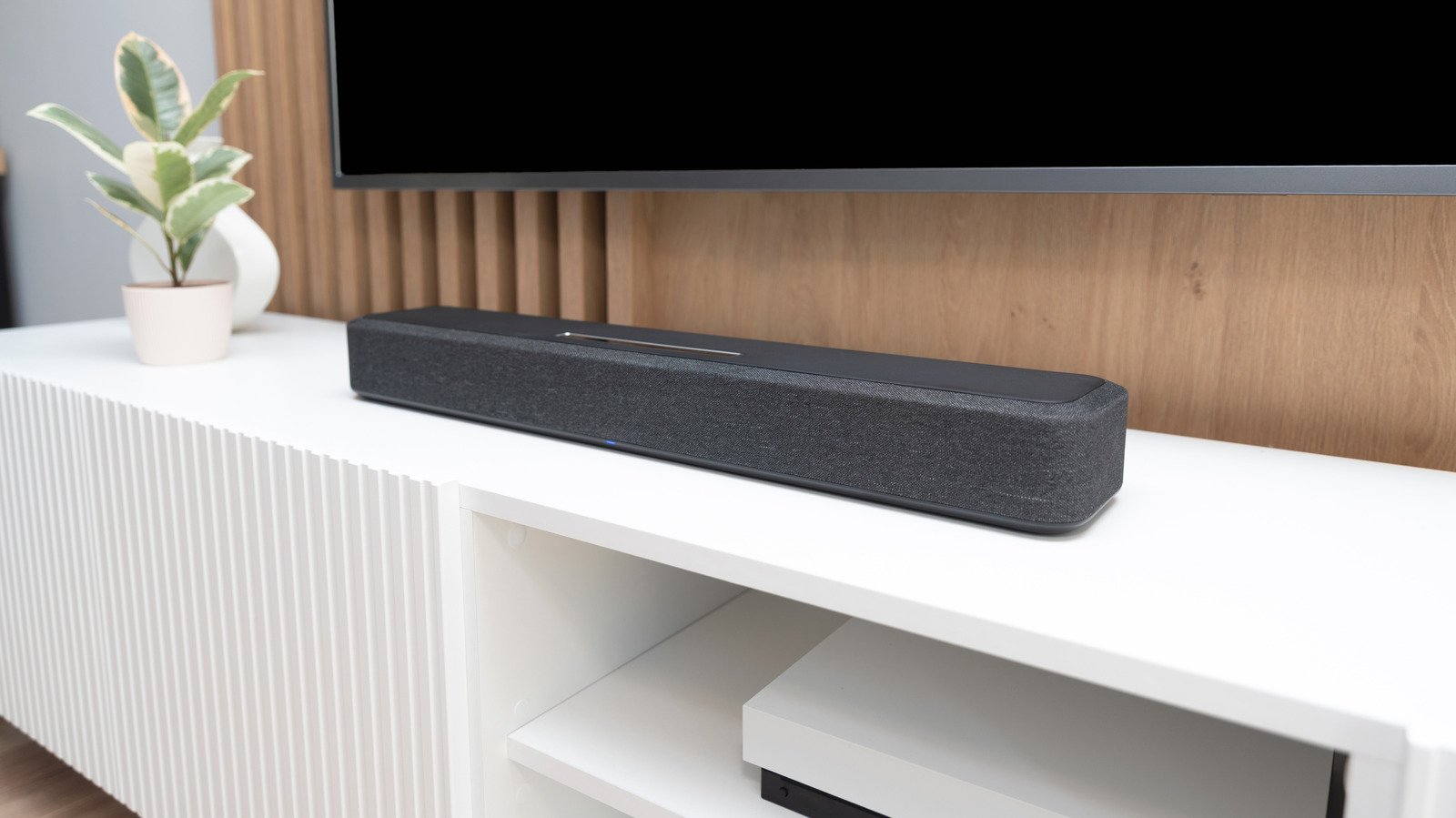
Surround sound offers maximum audio immersion, but there are cost and space barriers.
No matter which TV you have, it’s almost certain that its built-in speakers are terrible. They might be fine for news or casually watching YouTube videos, but for a proper movie, you’re probably struggling to hear dialogue, let alone details in the bass and mids. Moreover, modern surround sound technologies like Dolby Atmos and DTS:X have moved from channel-based to object-based mixing, requiring sound to originate from overhead in addition to around you for the full experience.
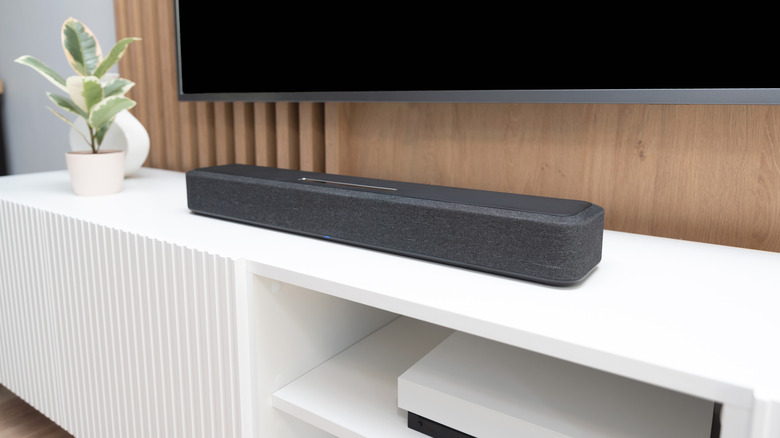
If you want to upgrade your TV speakers, you’ve got two options. You can furnish your living room with a surround sound system, placing speakers around the room to envelop you in sound, or you can go the cheaper, easier route: plug a soundbar in and call it a day. Given the substantial difference in price and convenience, many people wonder whether a true surround sound system is worth it.
The answer is, frustratingly, that it’s a personal decision. Which sound system you’ll prefer for your home theater comes down to your wallet, willpower and physical dimensions of the room your TV is in. How much of an audio enthusiast you are also factors into the decision. A soundbar is simple, cheaper and still a big upgrade over built-in speakers, whereas a surround sound system is more complex, pricier and packs a bigger sonic punch.
Soundbars can’t match a real surround sound system
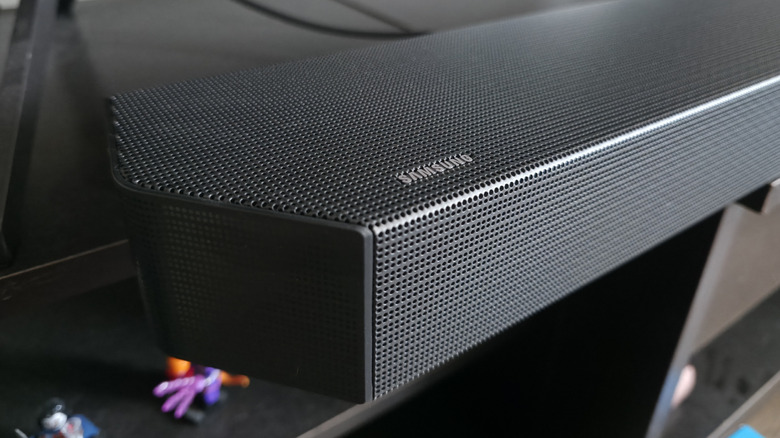
Soundbars almost always underperform compared to real surround sound. That’s not to say they have poor audio, but rather that they cannot blanket the listener in a bubble of three-dimensional sound the way a modern surround sound system composed of discrete speaker units can. Traditional 5.1-channel surround sound is difficult enough to approximate with a single soundbar. When you add Dolby Atmos and DTS:X into the equation, you also have to account for extra channels placed overhead.
Many soundbars make a mighty effort to overcome their physical limitations. If you’ve seen soundbars advertising Dolby Atmos surround sound capabilities, what actually happens is that the soundbar has some internal drivers (the part of a speaker that produces sound) pointed at an upward angle. The sound from those drivers bounces off of your ceiling and, ideally, back down to you, creating an Atmos-lite experience that’s a bit more immersive. It’s a neat trick, but it only works in perfect conditions. If your ceiling is arched, textured, has light fixtures or similar, the sound from those upward-firing speakers can get disrupted and fail to reach you.
If you have the right room, and if you place your Dolby Atmos soundbar correctly, you can begin to approximate what a real object-based surround sound system is like… in the same way you might begin to understand the taste of fruit by drinking a LaCroix. While almost any soundbar will bring a noticeable upgrade from your TV’s built-in speakers, that’s an extremely low bar (pun unintended).
In a blind test conducted by The New York Times, the paper of record found that pretty much everyone can tell the difference between a fancy soundbar and a custom surround sound array. When listening to the surround sound system, participants were better able to understand dialogue and to feel, well, surrounded by sound. The two catches were space and friction. Few participants said they’d buy the surround sound system over the soundbar, either because the former wouldn’t fit well in their living room or because they weren’t confident in their ability to install and set it up correctly.
Soundbars are simple, but pick surround sound for the best experience
Soundbars are most worth it when you have a box-shaped room that cannot accommodate multiple speakers for whatever reason, or if you cannot afford a full surround sound system. They’re also a suitable choice when you simply want to plug one gadget into your TV and never worry about sound again.
There’s nothing wrong with being in one of those camps. Not everyone cares about being fully immersed in a spatial audio mix where each explosion or voice is directionally precise. And not everyone who does want that experience can afford it or has the space for it. Again, even a middling soundbar is likely a decent upgrade over your TV’s onboard speakers, and there’s always going to be a better option you can jealousy compare your current setup to. You have to make a call somewhere. A good middle ground is opting for a 5.1.2 soundbar that offers two rear speakers and a subwoofer along with the bar. It’s not as intensive as a proper surround system, but might hit the sweet spot for you.
The difference in price alone is enough to scare most people off of a surround sound system. You can get decent sound on a budget, especially if you know where to hunt for deals. But even an entry-level surround sound system, whether a package with speakers of your choosing or a home cinema pack (HCP) that comes as a set, can run you close to a thousand dollars. You can get a bit closer to $700 if you find a bargain or an overperforming system for its price. At the mid-range or higher, expect to pay mid four-figures.
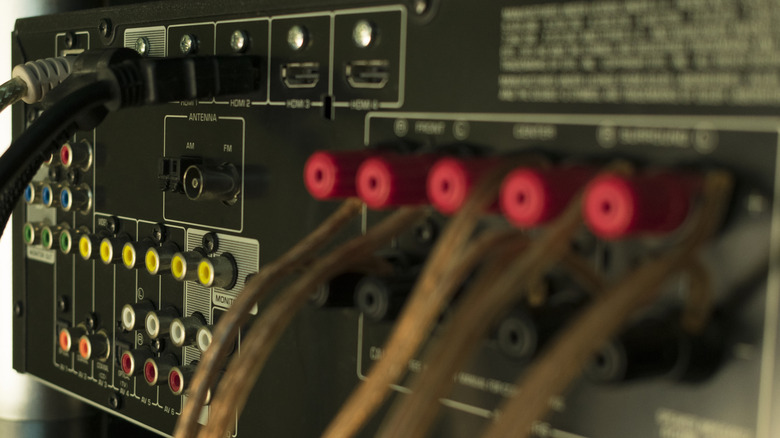
But say you do have the space, money and know-how to install a proper surround sound system with DTS:X and Dolby Atmos configured. If you care about a detailed home theater audio experience, skip the soundbar and invest in a receiver and speakers.