dailynewsnblog
The cause can be hidden or buried, says Dr Itamar Shatz, a lecturer at Cambridge University who is publishing a book on the subject this week.
Understanding what procrastinator you are can really help, he says.
According to Shatz, people can be any of nine types, external, sometimes simultaneously.
Dreamers, for example, fantasise about the future too much, while rebels feel a lack of control and so procrastinate in protest.
Hedonists care too much about immediate pleasure, thrill-seekers enjoy a deadline at their own peril and zigzaggers switch too often between tasks.
The other types also embody their names – worriers, pessimists, perfectionists and burnouts who are tired from working too hard.
Workplace psychologist Ian MacRae, from the British Psychological Society, says labels are fine, as long as people understand these are not permanent character traits.
“I would recommend people think more in terms of ‘oh, I’m acting like a perfectionist today’ instead of thinking ‘I am a perfectionist’.
Prof Fuschia Sirois, a renowned expert in the field at Durham University, rejects categories, and says the main reason for procrastinating is usually the same – to dodge bad feelings.
“We are not procrastinating the task, we are avoiding the unpleasant emotions associated with it,” Sirois explains.
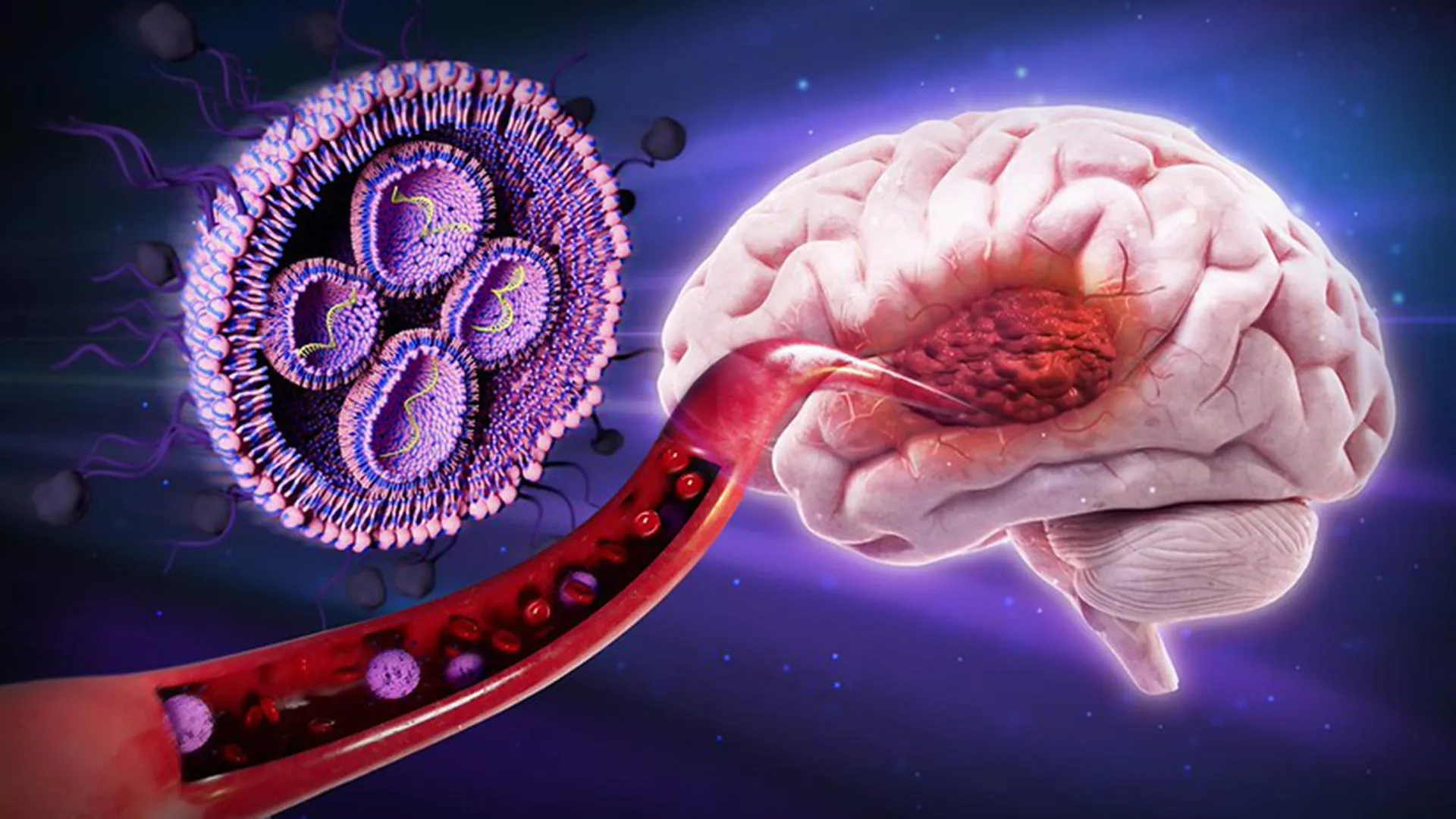
Brain activity studies with procrastinators reveal noticeable differences in areas involved with emotion regulation, she says.
“As soon as we sense a threat the amygdala gets activated, and that threat-sensor is faster than the response time to the rational part of our brain – the prefrontal cortex – that tells us it won’t be so bad.”