dailynewsnblog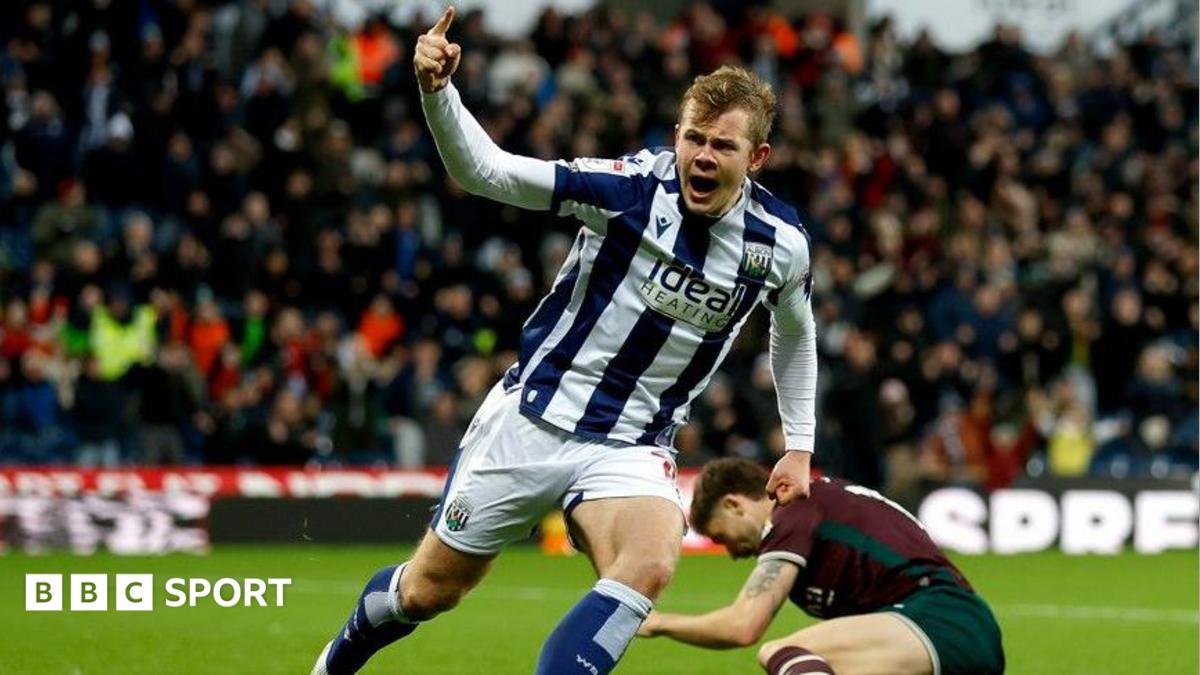
Heggebo was charged with misconduct, contrary to FA Rule E3.1, by the Football Association on Tuesday.
In his defence, West Brom argued that the ball took a deflection off the goalkeeper before making contact with Heggebo’s hand.
The Baggies claim it affected the ball’s trajectory and left the player with “less than 0.1 of a second” to react.
Given the accidental nature of the handball, the club argued, it could not reasonably be viewed as a deliberate act of deception.
Since the ban was announced on Thursday, West Brom have said they are going to write to the FA requesting clarification on how a player is reasonably expected to react should similar circumstances arise in the future.
Retrospective disciplinary action has previously been taken against players guilty of simulation.
According to English football’s governing body, the FA can take retrospective disciplinary action in situations where a match official may have been deceived.
This process is not for debatable decisions, but only where there is overwhelming evidence to indicate that a player intentionally deceived a match official.
However, West Brom believe that this charge is the first of its kind in English football following a rule change two years ago.
The incident reopened the debate over the use of Video Assistant Referees (VAR) in the Championship.
VAR is used in all matches in the Premier League but EFL clubs have blocked its introduction to date.
In April, clubs in the second tier of English football turned down the chance to introduce a version of the VAR system for 2026-27.
BBC Sport understands the idea is closed for the foreseeable future and is unlikely to be resurrected by the clubs in a year’s time – so no opportunity to review incidents like this shortly after they happen.