dailynewsnblog
In the wake of cyberattacks on American water systems and cutbacks to federal assistance programs, some water companies are turning to volunteers, smaller cybersecurity companies and an AI program from Vanderbilt University for help.
A new initiative announced Friday would create a first-of-its-kind hub for water facilities to share information on cyberthreats and build specialized cybersecurity AI agents for plants that can’t afford human experts.
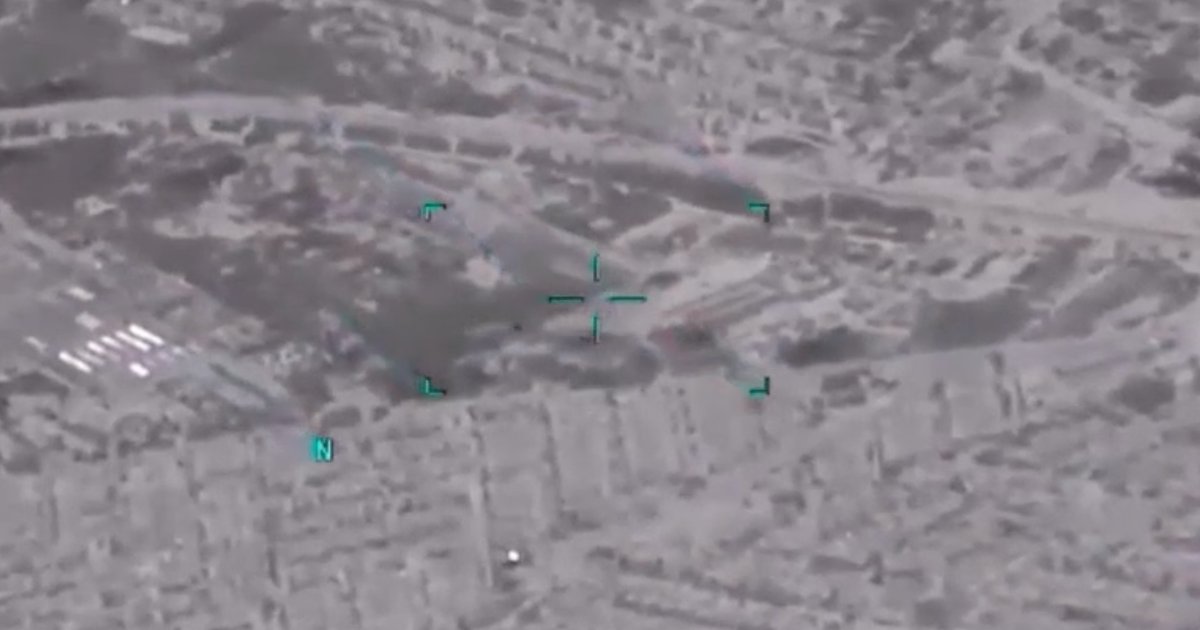
The U.S. has around 150,000 water and wastewater facilities, many of which are located in rural parts of the country and can’t afford dedicated cybersecurity services or employees. Last week, dozens of them across at least seven states were targeted by hackers. Sources familiar with the investigations believe Iran was behind the cyberattacks, which came in the wake of U.S. strikes on Iranian infrastructure.
While the U.S. Cybersecurity and Infrastructure Agency and Environmental Protection Agency offer those facilities some advice and cybersecurity tools, those can require expertise that’s lacking in tiny facilities that can’t afford technical staff, and CISA has experienced repeated staffing cuts under the Trump administration. The government sometimes even goes so far as to blame water plants for being hacked: President Donald Trump said last week that Democratic Minnesota Gov. Tim Walz was at fault for the attacks on facilities in his state.
Friday’s announcement, from the cybersecurity nonprofit Franklin, aims to fill in some of those security gaps. Born out of the country’s largest hacker conference, DEF CON, Franklin already acts as a matchmaking service, pairing underresourced water facilities with volunteer hackers. On Friday, Franklin announced it now will also work with researchers at Vanderbilt University to begin cloning the computer networks of some water systems. It will then train AI agents to practice both hacking and defending them, with the goal of eventually building autonomous, customized AI cybersecurity systems for water infrastructure.
Cybersecurity is in the midst of an AI revolution in which hackers — both offensive and defensive — increasingly rely on the technology. Experts generally agree that the advantage currently lies with attackers, especially ones with access to new, cutting-edge models. But AI can also help cyberdefenders, particularly when they can use the technology to patch software vulnerabilities before malicious hackers exploit them.
Through a program called Castle, Vanderbilt’s researchers create copies of a facility’s network to make digital “twins,” then deploy both defensive and offensive AI agents to try to hack and protect them, with the goal of eventually gaming out how best to automatically protect them from hackers. Castle has already begun mapping out some power facilities’ networks.
“The pie-in-the-sky goal is to build up digital twins of potentially every water treatment plant in America, or enough representative ones, so that we identify the weak points and we build up hardening recommendations for all those and thereby secure every water treatment facility in the U.S.,” Daniel Balasubramanian, a principal research scientist on the program, told NBC News.
Separately, Franklin will coordinate a first-of-its-kind hub for the water sector to share cyberthreat information, called the Water Watch Center, to be run by the National Rural Water Association, a trade group representing the majority of small water plants in the U.S.
If one of five participating cybersecurity companies sees suspicious cyberactivity at a water plant, it can quickly alert others, said John DeGour, the NRWA’s director of regulatory affairs.
DeGour said around a dozen water facilities are participating to start, but he expects that number to grow quickly and that it might eventually be used to convince a government agency to create its own version.
“Ultimately, the goal would be to stand this up, create this infrastructure, demonstrate that this model is working and hopefully convince the federal government that this is the model,” he said.