dailynewsnblog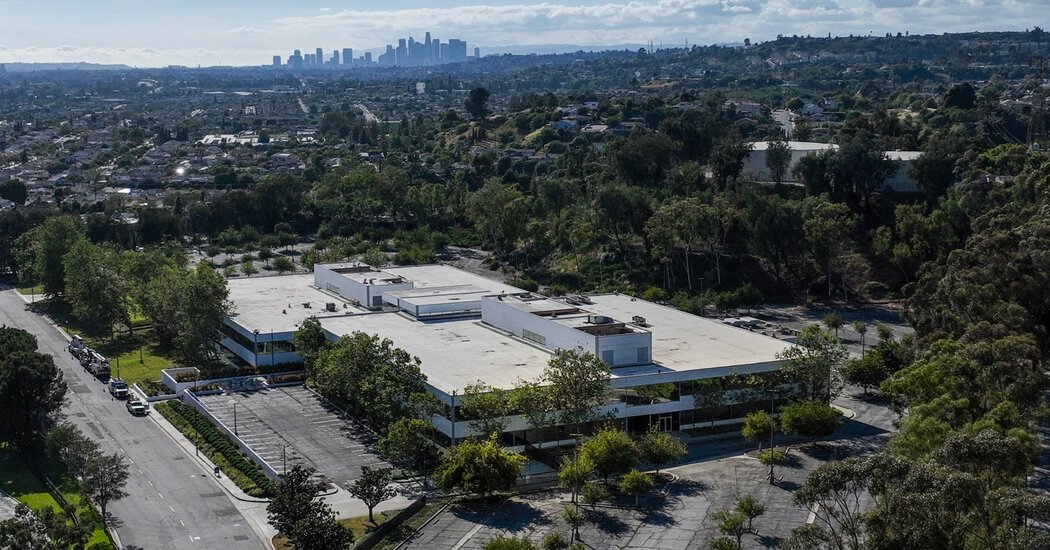
Voters in Monterey Park, Calif., appear to have overwhelmingly approved a ban on data centers, becoming what is believed to be the first city in the nation where residents passed a measure permanently prohibiting the warehouses.
The referendum in favor of a ban, Measure NDC, which was winning with more than 86 percent of the vote on Wednesday in an unofficial total, was in response to a proposal for a data center that drew fierce opposition in the city just east of downtown Los Angeles.
“We were all hoping for big numbers,” said Steve Kung, a co-founder of the group behind the measure, No Data Center Monterey Park.
The vote reflected increasing resistance around the country to data centers, the warehouses that fuel the artificial intelligence industry. Opponents say they create incessant noise, drive up electricity rates because of the power required, don’t provide enough good-paying jobs and can worsen shortages of water, which is essential to keeping the machines cool.
Proponents say they’re a good source of tax revenues for municipalities; that they provide jobs for the community; that concerns about noise pollution and electricity rates are overstated; and that data centers can overall be good for society.
Cities, counties and states have enacted pauses or bans on data centers, but Monterey Park is thought to be the first to do so permanently at the ballot box — a place where Californians have a long history of effecting change.
The opposition in Monterey Park took hold in January, when hundreds turned up to a City Council meeting to oppose the proposed 247,000-square-foot data center. The meeting drew so many speakers that it carried on past midnight. Soon, yard signs saying “No Data Center” in English and Chinese began sprouting up around in a community that is predominantly Asian American and has long been a hub for Chinese immigrants in Los Angeles.
While Silicon Valley is the focal point of artificial intelligence development in the country, the data centers needed to fuel the boom are far from California. Often, they are in less populated communities in states like Virginia, Michigan, Ohio, Wisconsin, West Virginia and Texas, where land is cheaper.
That made Monterey Park a surprising choice for the proposal last year by HMC StratCap, an Australian-owned investment firm. Though it was relatively modest in scope for a data center, about the size of four football fields, the property backed up to a park, where youth softball games take place on the weekends, and homes that are valued at more than $1 million.
“Data centers typically target rural and poor and economically disadvantaged areas because a lot of them are desperate for the revenue,” said Mr. Kung, who lives within a couple blocks of the proposed site. “Monterey Park isn’t that type of city. We’re solidly middle class. There’s a lot of density with housing.”
Still, the data center was projected to bring in $5 million to $7 million annually in tax revenue for the city, and would have been a much-desired anchor for a mostly vacant business park, said Vinh T. Ngo, a city councilman whose district includes the proposed site but who was not in favor of it.
At City Council meetings this year, some union workers spoke in support of the data center, citing the jobs it would create, according to local news media reports. But they were outnumbered, and the Council, which unanimously opposed the project, voted in March to add the measure to the city ballot for Tuesday’s statewide election.
Several weeks later, HMC StratCap notified the city that it would abandon the project.
Bernard Mokam contributed reporting; Susan C. Beachy contributed research.