dailynewsnblog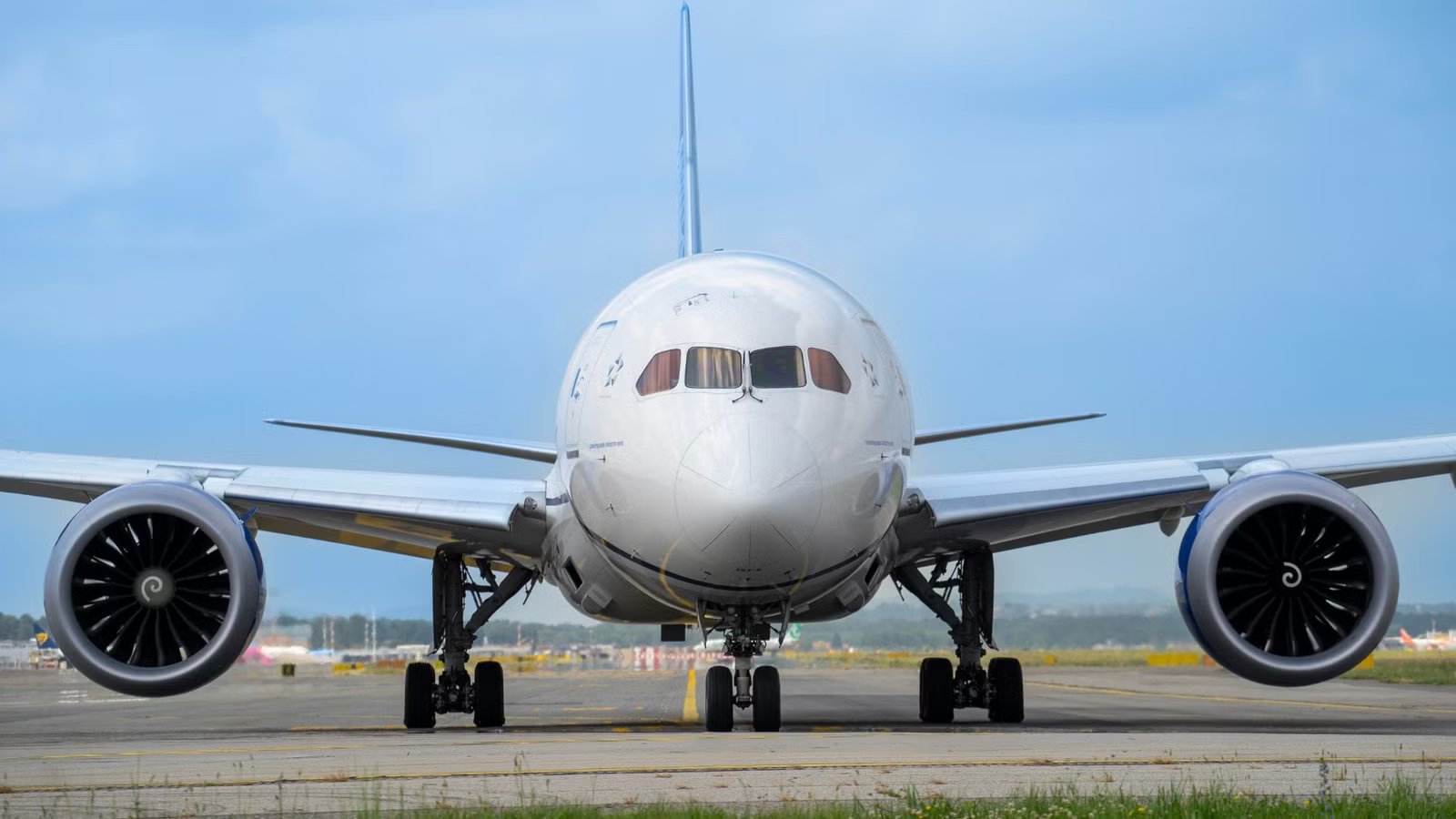
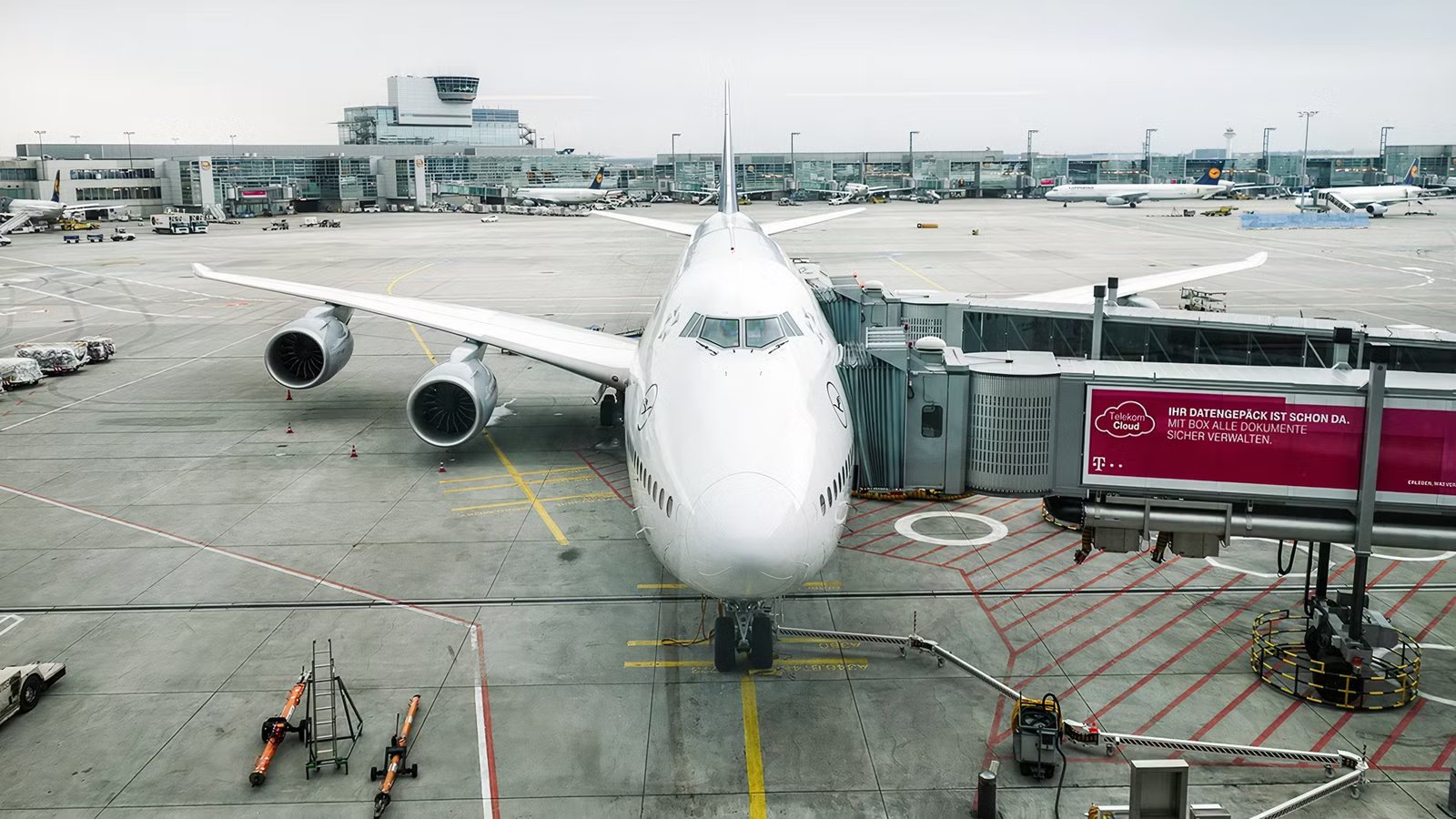
 United Airlines is resuming select flights to Tel Aviv Ben Gurion Airport (TLV) this week because safety restrictions on Israeli airspace have eased. United Airlines confirmed a two-daily
  Newark Liberty International Airport (EWR) to Tel Aviv restart on September 8, served by Boeing 787s. UA expects
  Chicago O’Hare International Airport (ORD) and Washington Dulles International Airport (IAD) to follow this winter.
The  Dubai International Airport (DXB) situation is different. As of mid-March, Iran was still targeting the United Arab Emirates with missile and drone strikes. United and many international carriers pushed their Dubai restart dates well into the latter half of this year. The situation comes down to how flight paths are managed.
Lingering Danger In The Air Over The Gulf

When the military operations began in late February, air travel in the Gulf faced its worst crisis since the pandemic. A massive campaign of airstrikes by the US and Israel against Iran immediately shut down the skies over Iran and Iraq. Gulf mega-hubs like Tel Aviv and Dubai ground to a sudden halt, leaving thousands of travelers stranded. Israel’s airspace and Ben Gurion Airport reopened fully on April 9 after the ceasefire following Operation Epic Fury.
Unlike past regional conflicts where Dubai remained an untouched safe haven, DXB directly faced the threat of escalating hostilities. UAE air defense systems repeatedly intercepted incoming ballistic missiles and drones over the country. As the airport sits right next to the Persian Gulf, the threat has made it much harder for international planes to reach it.
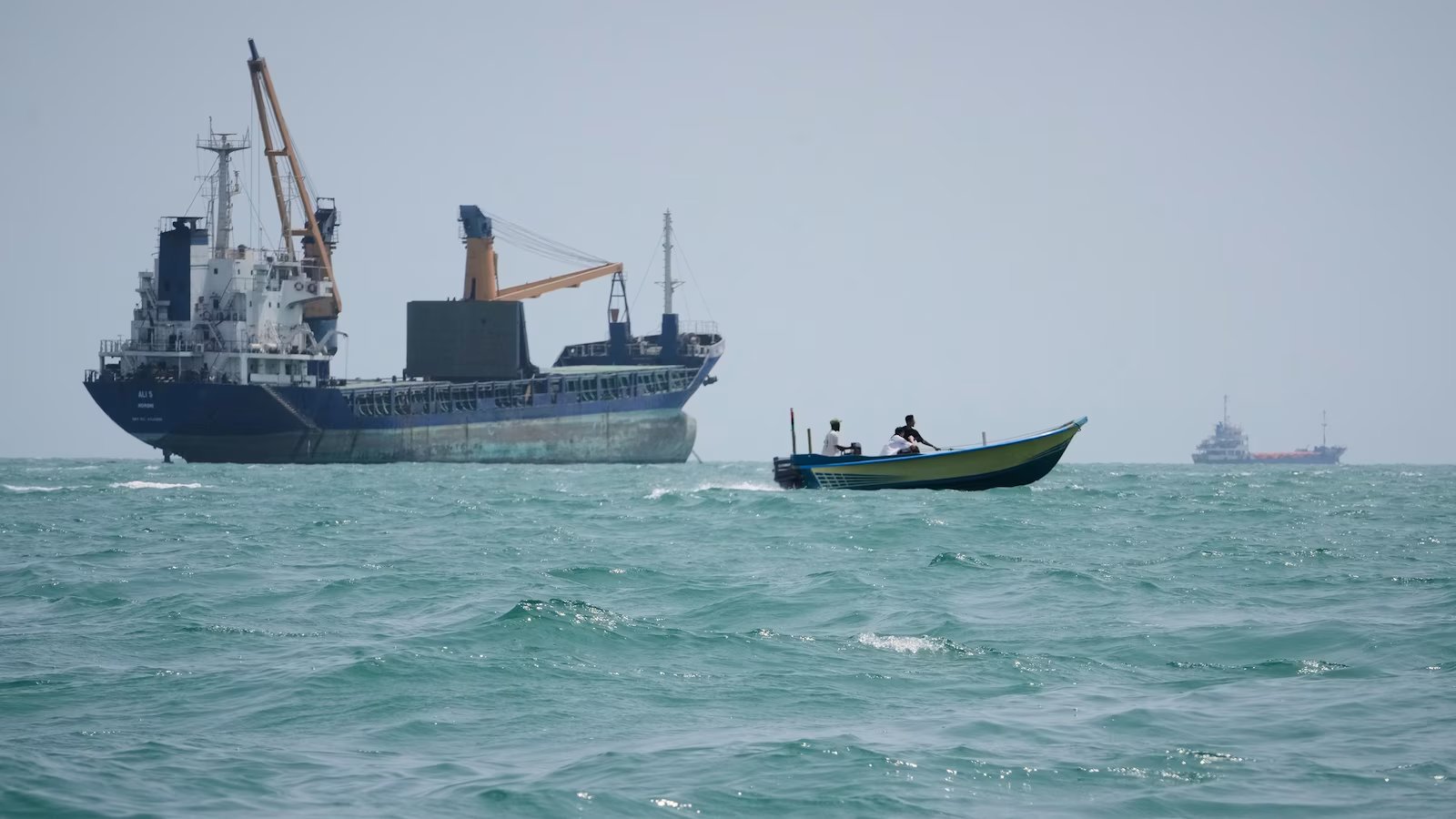
In mid-March, a drone strike managed to hit an on-site fuel tank, sparking a large blaze that forced the airport to briefly freeze all flight operations. This back-and-forth fighting forced Western airlines to keep their safety bans in place. To make matters worse, the blockade in the Strait of Hormuz has repeatedly choked off fuel supplies, causing global jet fuel prices to soar.
The Soft Impact Of The Armed Conflict

During the first six months of 2026, passenger numbers at DXB plummeted by over 30%, dropping an estimated 31.5 million travelers, according to Fortune. Despite the ongoing danger, local airlines refused to stay grounded for long. By mid-June, regional carriers aggressively pushed to return to the skies, restoring their flight volumes to over 80% of prewar levels. Local giants like Emirates quickly built back their capacity.
Because so many planes are being forced into the few remaining safe pockets of airspace, the skies are incredibly crowded. Dubai International Airport (DXB) has had to slash its allowed flight numbers during peak congestion. Because airlines cannot fly through regular skies, planes must take massive detours. Rerouting hundreds of thousands of miles burns too much fuel and drives up costs.
Before overseas airlines can step up their services, Dubai Airports must systematically ease the current one-rotation-per-day restriction on foreign itineraries. The next major test comes this November, when airlines will see if expensive war-zone insurance rates finally go down. If the region stays quiet, these insurance costs will drop, making it affordable for international airlines to return.
The Course To Normalizing Middle East Air Travel Again

Right now, the aviation recovery is moving at two very different speeds. Local Gulf airlines are flying as much as possible, but international airlines from Europe and America are slowly beginning to return. The spike in military activity in the Gulf drove aviation ‘war-risk’ insurance premiums to extreme highs, according to Gulf News.
If the insurance cost is too high, United will lose money on the Newark-to-Dubai route before the plane even leaves New Jersey. This makes a delay much more attractive than flying a money-losing route. For international airlines to find flying to Dubai financially viable again, like UA, regional stability must hold long enough for global insurers to lower their premiums.
Airport CEO Paul Griffiths recently noted to Fortune that monthly passenger traffic is universally rising. DXB’s traffic has been climbing steadily from 3.5 million in April to 5 million by June. Yet, because many major Western carriers have completely wiped the Gulf from their schedules for the rest of the year, experts do not expect air travel to feel completely normal until early 2027.