dailynewsnblog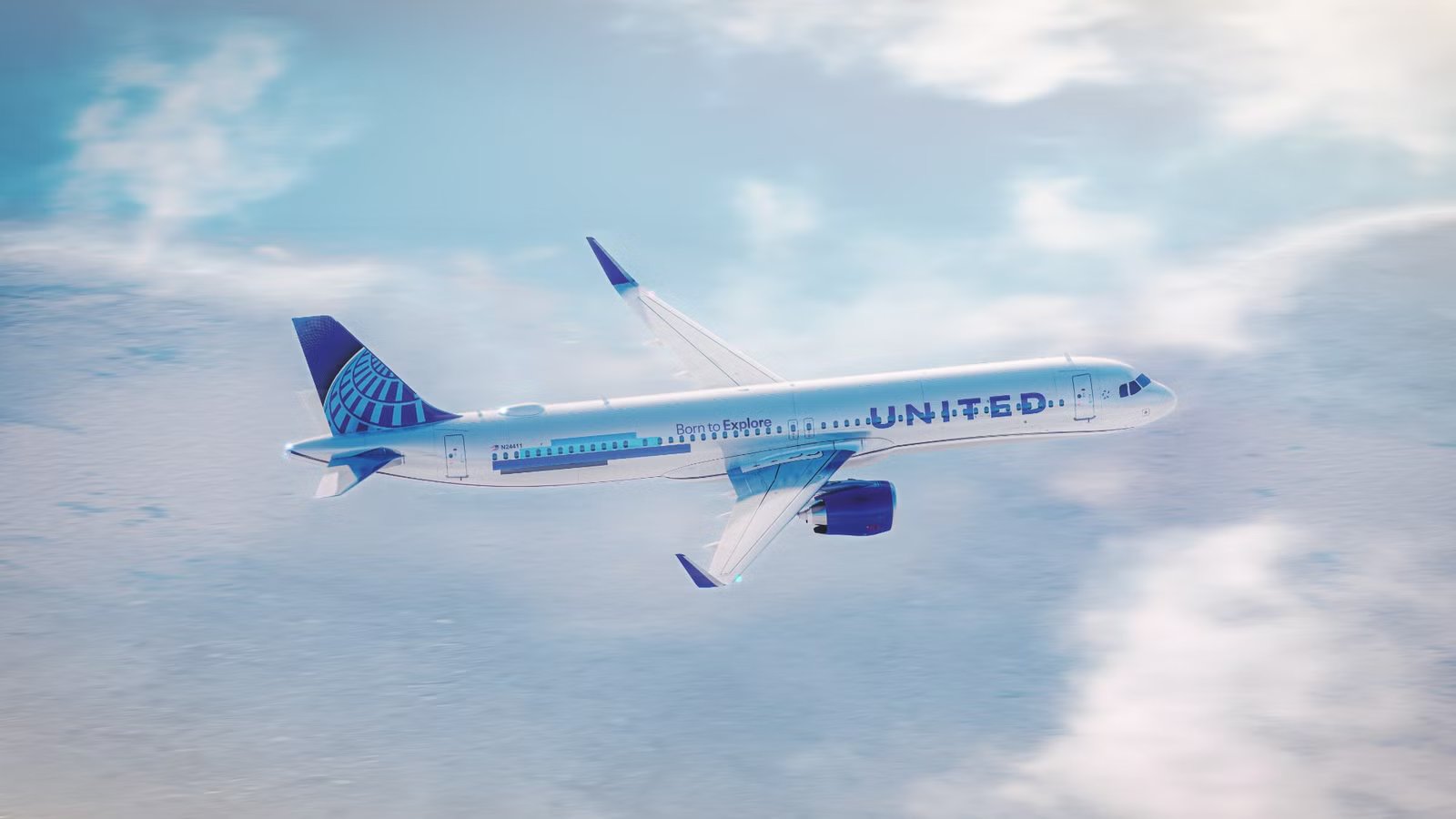
United Airlines has confirmed that it will block the middle seats in one of the economy class rows on board each of its 50 incoming units of the Airbus A321XLR. The Chicago-based  Star Alliance member will feature this in its ‘Economy Plus’ section, and even goes as far as to say that the idea is an ‘innovation.’ However, the offering instead mirrors short-haul business class at most major European airlines.
Still, the extra leg and elbow room will be welcome bonuses for the four guests seated in the special Economy Plus row. Going forward,  United Airlines may also look to offer this product on other aircraft types within its mainline fleet. However, the decision is not purely driven by passenger needs. Indeed, it also confirms earlier rumors that United was looking to cap the capacity to reduce staffing needs.
United Airlines’ Blocked Middle Seats

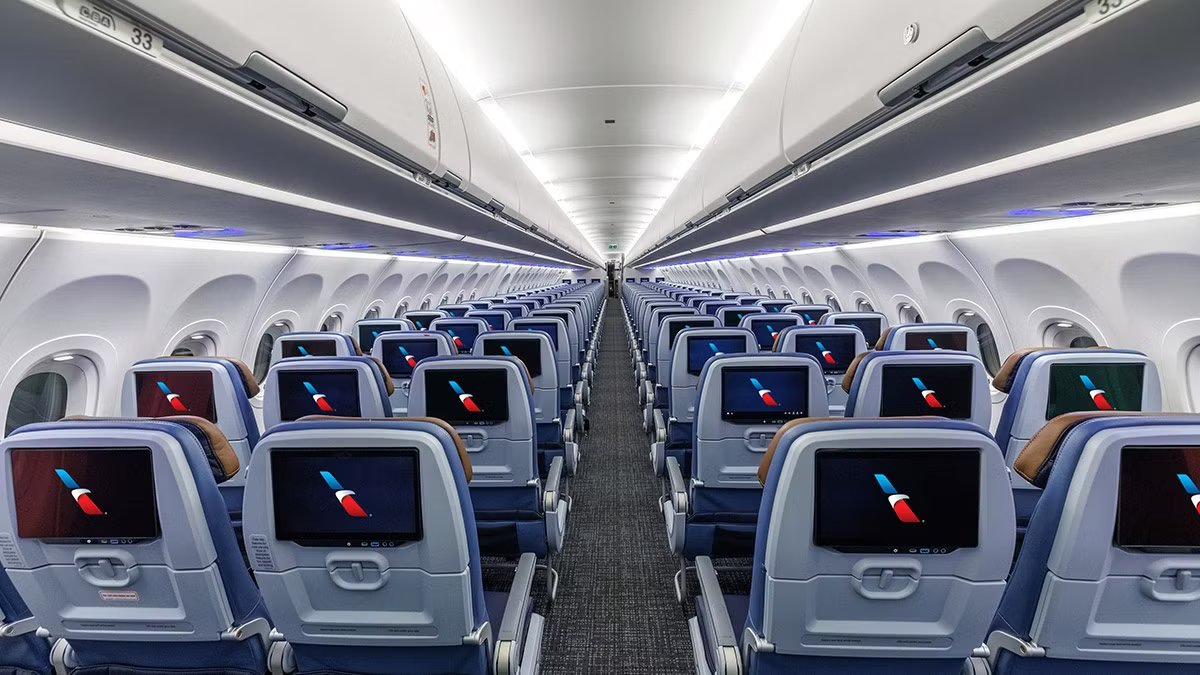
United Airlines confirmed in a statement released earlier today that it plans to “include this new Economy Plus option on its entire order of 50 A321XLRs.” As seen above, in addition to the obvious benefit of more space, the blocked middle seat also gives passengers an extra table on which to store drinks and other belongings. As it stands, United Airlines is “the only US airline that will offer this seating option.”
Simple Flying Quiz
Think you really know United Airlines?
Answer 10 questions and put your knowledge to the test
Think you really know United Airlines?
Answer 10 questions and put your knowledge to the test
Easy (15s)Medium (10s)Hard (5s)
‘Economy Plus’ is United Airlines’ existing extra legroom option in economy class, and these seats, like those seen in Economy Plus without the center table, offer three inches more pitch than the carrier’s standard economy offering. United will release pricing details later in the year, and says that “the table is permanently fixed, with a soft leather-like covering.” Andrew Nocella, United’s EVP and CCO, said:
“The XLR is our newest aircraft and not only offers all-aisle access lie-flat seats in United Polaris but now also includes seats in Economy Plus with extra leg and elbow room.”
The ‘Innovation’ Also Solves A Staffing Problem

From a passenger perspective, the Economy Plus row with blocked middle seats on the Airbus A321XLR gives passengers an ideal compromise between space and cost. Indeed, with the row effectively being four-abreast, passengers get a premium economy-style configuration without having to pay for the bells and whistles of a much larger seat. Premium economy at United is called Premium Plus.
However, this development also has benefits for United Airlines from a staffing perspective. Specifically, as reported by Simple Flying last month, when rumors of the product first began to surface online, the carrier looks set to cap the capacity of the Airbus A321XLR at 150 by blocking seats. This would mean that it would only need three flight attendants (one per 50), as opposed to four if the capacity were higher.
After the first pair were spotted in Hamburg wearing United’s livery in May, the carrier subsequently took delivery of its first example of the Airbus A321XLR in June of this year. According to ch-aviation, this jet, N64321, is one of an eventual fleet of 50 A321XLRs that United Airlines is set to operate. Per Flightradar24, it flew from Hamburg to Tampa on June 3 and has since completed three more test flights.
Blocked Middle Seats Are The Norm In Short-Haul European Business Class Cabins

While undoubtedly a nice offering, United’s blocked middle seats are only an ‘innovation,’ as it calls them, in US terms. Indeed, across the North Atlantic Ocean in Europe, such tables are a common sight on short-haul business class flights operated by the continent’s major airlines. You can read our review of one such product, British Airways’ Club Europe cabin on an Airbus A320 from Vienna to London, here!
These seats are the same as those found in the economy cabins of these aircraft, with the blocked seats and enhanced service onboard and at the airport being the only differentiators. As such, some commentators don’t look on them kindly compared to the first class recliners found in North America. Crucially, however, this setup does give airlines more flexibility in accommodating varying business class loads.