 dailynewsnblog
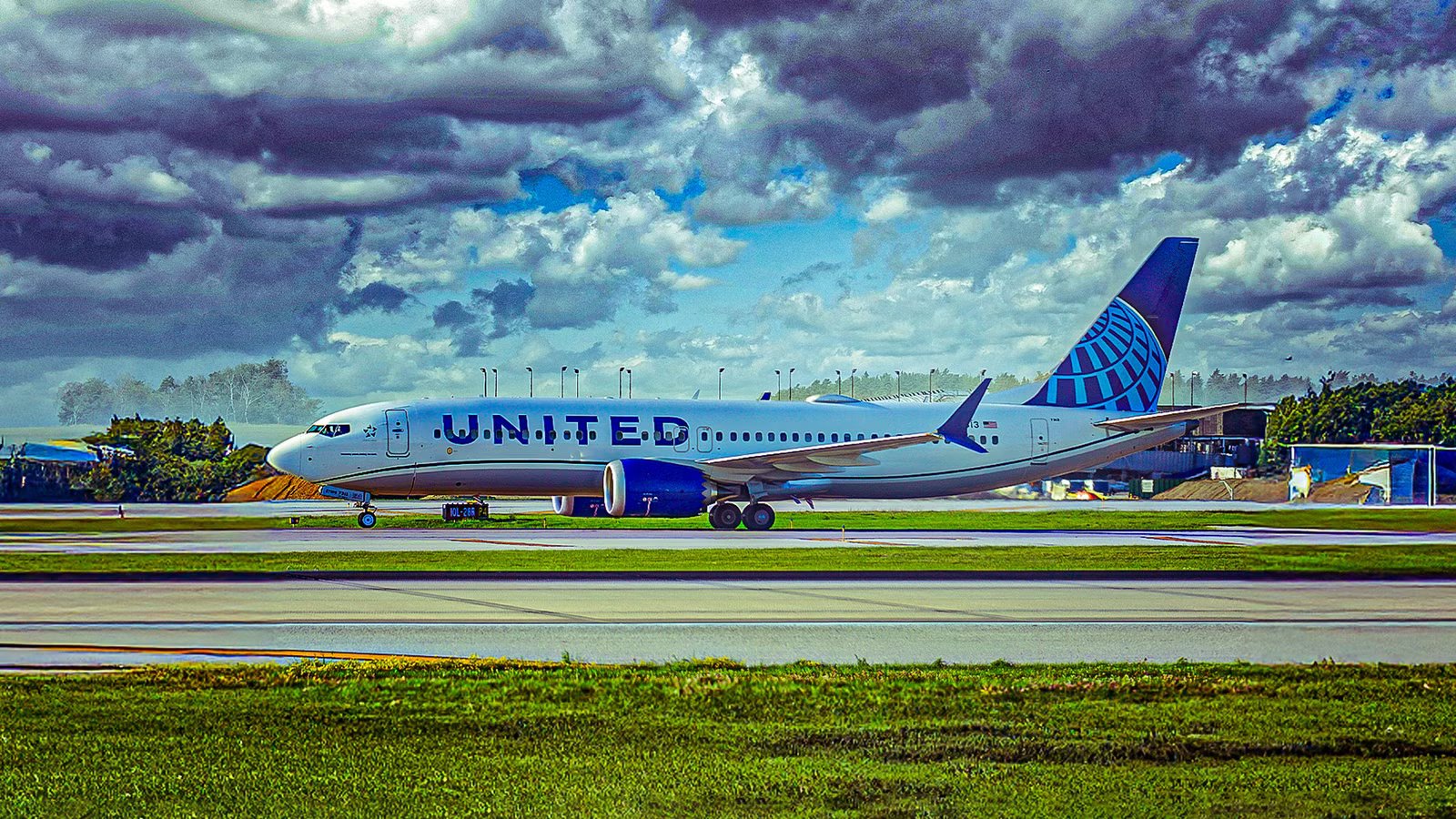
When it comes to plane seats, everyone has their preferences. Some flyers prefer to gaze out of the window, while others like the freedom of movement that comes with sitting in an aisle seat. Both parties, however, are united on one front: their dislike of the middle seat. These spaces offer neither the prime view of the window seat nor the freedom of movement of the aisle, and thus flyers look to avoid them.
In an era when airlines are looking to squeeze every last penny out of passengers in terms of ancillary revenue, many carriers have picked up on these preferences by charging passengers more to select window or aisle seats than those in the middle of a block of three. The New York Times notes that, at  United Airlines, this can cost $70 for a non-frequent flyer. However, its CEO has defended this model.
Getting What You Pay For

United Airlines CEO Scott Kirby made these remarks in a recent NYT interview, where he highlighted the fact that most of the money that it has invested into its passenger experience in recent times “applies to every single person on the airplane.” These investments include “fast, free Starlink WiFi and seatback entertainment for every customer.” However, its approach to seat selection is less equal.
With United Airlines reportedly charging up to $70 to non-frequent flyers for window and aisle seat selection, Men’s Journal notes that the NYT reporter settled for a middle seat when flying to Chicago to interview Kirby to avoid these fees. United’s CEO asserts that “there are customers that pay more that get more,” and rejects the notion that the model creates a two-class system benefiting frequent flyers:
“Some customers want to sit in a window seat or a better seat, and that costs money to deliver. The way to give everyone what they want is to charge for the services and products that those customers want.“
Flying Is Getting More Expensive For Airlines As Well As Passengers

One of the recurring themes in the world of aviation this year has been the rise in airfares, which has largely been prompted by external pressures such as fuel price hikes amid supply chain disruption due to the US and Israel’s attacks on Iran. On this front, Kirby said that “prices have gone up this year, but the truth is they’re really bouncing off an artificial low from COVID,” noting that Spirit shut down in 2026.
With this in mind, Kirby highlighted the fact that it isn’t just passengers that are feeling the pinch from rising costs, but, rather, the airlines that they are flying with as well. He asserts that “we have to charge enough that it covers the cost of flying, and it’s expensive to fly airplanes,” but also, even with this strategy in place, “four out of the eight publicly traded US airlines are going to lose money this year.”
In any case, United’s CEO has a good understanding of his passengers and their onboard experience. Although he could likely afford to do so, Kirby rarely flies privately. Instead, he prefers to experience the products that his flyers sample every day. Alternatively, he sometimes flies with other carriers, and he concluded his interview by saying that he “sees competitors’ products, and learns a lot” when doing so.
United’s A321XLRs Will Have One Row Of Blocked Middle Seats

Returning to the age-old discourse surrounding passengers’ collective disdain for the middle seat, United Airlines is also set to implement a novel solution going forward. As seen above, its new Airbus A321XLRs will have one row in the ‘Economy Plus’ cabin where the middle seat is blocked and instead features an extra table. This is common in European short-haul business class cabins, but rare in the US.
This will give passengers extra elbow room on the long-haul flights that the Airbus A321XLR is eventually set to operate for United Airlines, although the decision wasn’t solely driven by passenger comfort. Indeed, as detailed in our video embedded above, it also brings the jet’s capacity down to 150, meaning that it only needs three flight attendants as opposed to four. This will save United money, but will it negatively impact the passenger experience? Only time will tell.