dailynewsnblog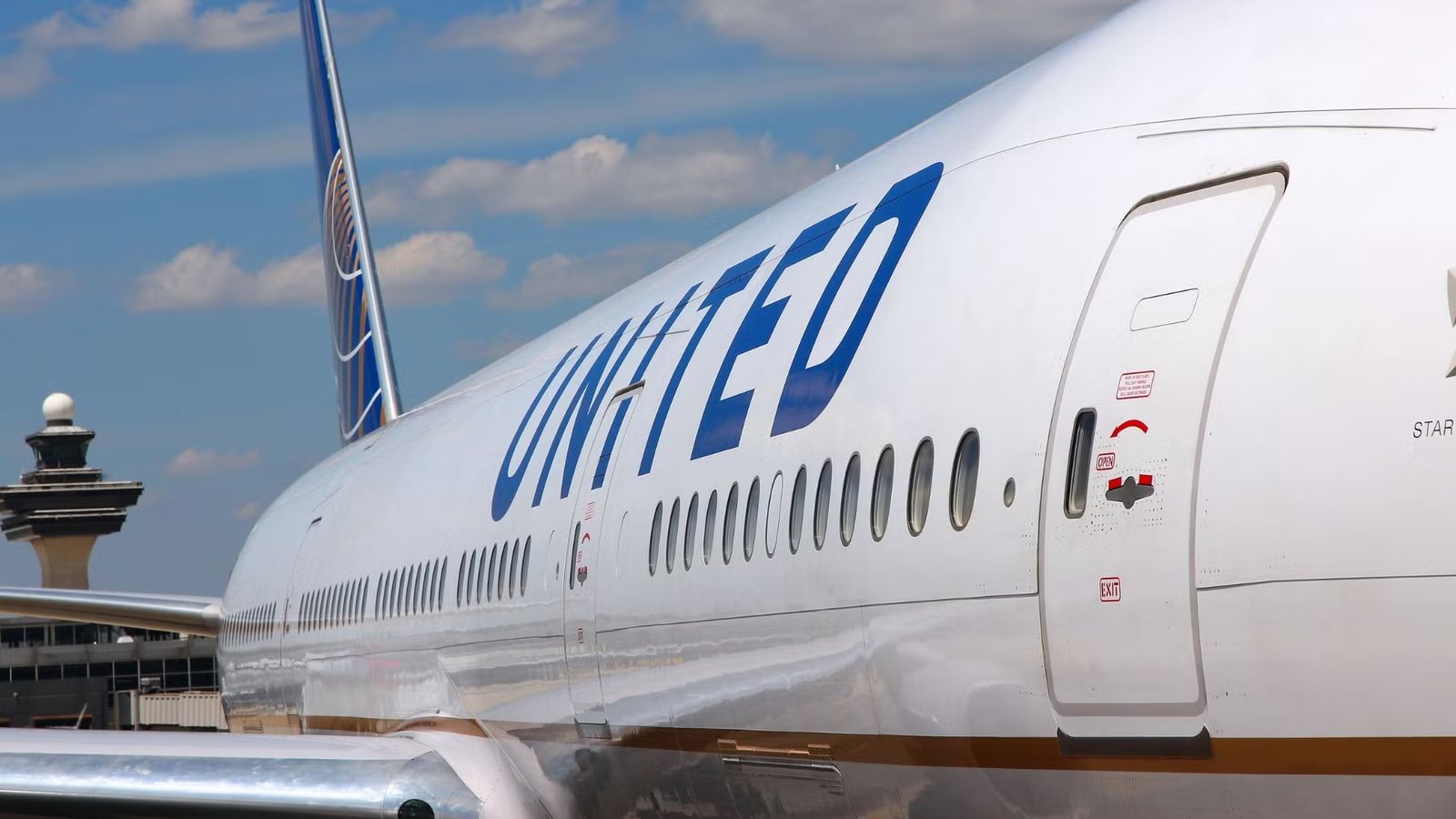
Passengers aboard United Airlines flight UA969 from  Amsterdam Schiphol Airport (AMS) to
  San Francisco International Airport (SFO) endured an extraordinary travel disruption after their Boeing 777-200ER suffered two separate diversions during the same journey. What began as a routine transatlantic departure from Amsterdam Schiphol Airport quickly turned into a nearly 24-hour ordeal involving a midair return to Europe, an unscheduled stop in Newark, and multiple lengthy delays before passengers finally arrived in California.
Flight tracking data and a report from AirLive show the aircraft initially departed Amsterdam on May 24 before abruptly turning around over the North Sea less than an hour into the flight. After landing back at Schiphol for technical inspections, the same aircraft was cleared to depart again later that evening. However, the second attempt also failed to reach San Francisco nonstop, with the Boeing 777 later diverting to  Newark Liberty International Airport (EWR) before eventually continuing to the West Coast the following morning.
First Diversion Forces UA969 Return To Amsterdam

United Airlines flight UA969 departed Amsterdam Schiphol Airport at approximately 3 PM local time aboard a Boeing 777-200ER operating the carrier’s daily nonstop service to San Francisco. The flight was scheduled to take around 11 hours and arrive in California later that afternoon local time.
However, shortly after departure, the aircraft stopped tracking westbound and instead began circling over the North Sea before reversing course back toward the Netherlands. Flight tracking data showed the aircraft remaining airborne for nearly two hours before landing safely back at Schiphol Airport. Reports shared online suggested the diversion may have been linked to a technical failure involving the aircraft’s systems, although United has not publicly confirmed the exact cause.
For long-haul international flights, returning to the departure airport during the early stages of a journey is often considered the safest and most practical operational decision. With full maintenance support, spare parts, and replacement crews available in Amsterdam, the airline was able to inspect the aircraft before attempting another transatlantic crossing.
Simple Flying has reached out to United for a comment.
Second Attempt Ends With Newark Diversion

After spending several hours on the ground in Amsterdam, the same 777 was prepared for a second departure to San Francisco. Flight tracking records show UA969 departed Schiphol again at approximately 6:45 PM local time, more than four hours behind its original schedule.
The aircraft successfully crossed the Atlantic Ocean during the second attempt and continued into North American airspace. However, instead of proceeding nonstop to California, the flight later diverted to Newark in New Jersey after roughly eight hours in the air. The reason for the second diversion has not yet been officially disclosed by United.
A double diversion involving the same aircraft during a single long-haul journey is exceptionally uncommon in commercial aviation, particularly after maintenance checks and a second departure clearance. By the time the aircraft landed in Newark, passengers had already spent most of an entire day dealing with repeated delays, uncertainty, and disruptions to their travel plans.
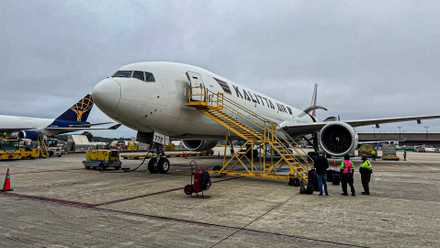
Why Airlines Are Cutting Open Retired Boeing 777s & Turning Them Into Freighters
A retired Emirates 777 gets cut open, rebuilt as a freighter, and handed to Kalitta Air. Here is how it works and why the cargo industry needs it.
Boeing 777 Completes Journey Nearly A Day Later

The aircraft involved in the incident was identified as N785UA, a 777-200ER delivered to United in the late 1990s. At 29 years old, the jet is among the oldest Boeing 777 aircraft still operating within the airline’s long-haul fleet.
Following the Newark diversion, the aircraft later departed once again during the early hours of May 25 for the final segment to San Francisco. Flight tracking data showed the Newark-to-San Francisco leg departing shortly after 3:00 AM local time before arriving in California later that morning.
What should have been a straightforward nonstop journey ultimately became a multi-stage trip lasting close to 24 hours from the original scheduled departure. The unusual sequence of events quickly gained attention across aviation tracking communities and social media platforms, where enthusiasts closely followed the aircraft’s repeated diversions in real time.