dailynewsnblog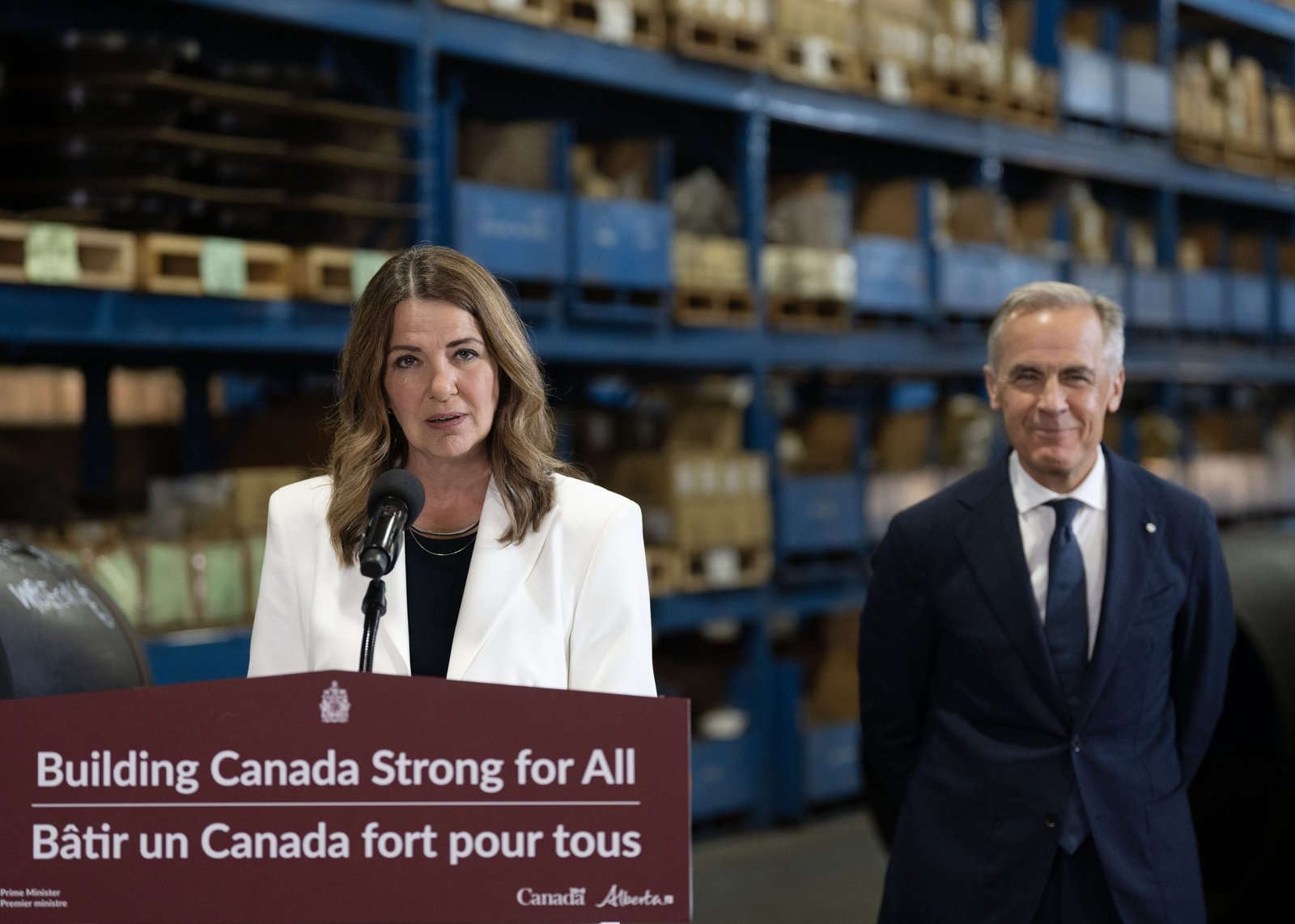
In the first move of its regulatory overhaul, Ottawa is handing reviews of pipelines, transmission lines, offshore renewable energy projects and oil and gas facilities to the Canada Energy Regulator.
It was one of the proposals included in last spring’s discussion paper on major project approval reforms.
The Carney Liberals plan to table legislation for the broader package of changes this fall. But this particular change didn’t require a bill, since it amends existing regulations rather than the law itself.
The amendments were published in the Gazette early Wednesday morning, with a press release from Intergovernmental Affairs Minister Dominic Leblanc reaching reporters’ inboxes later that afternoon.
A Liberal government source tells iPolitics the rush to implement this regulatory change before Parliament resumes is tied to the West Coast Oil pipeline proposal backed by Alberta and Ottawa.
Aya Dufour has more.

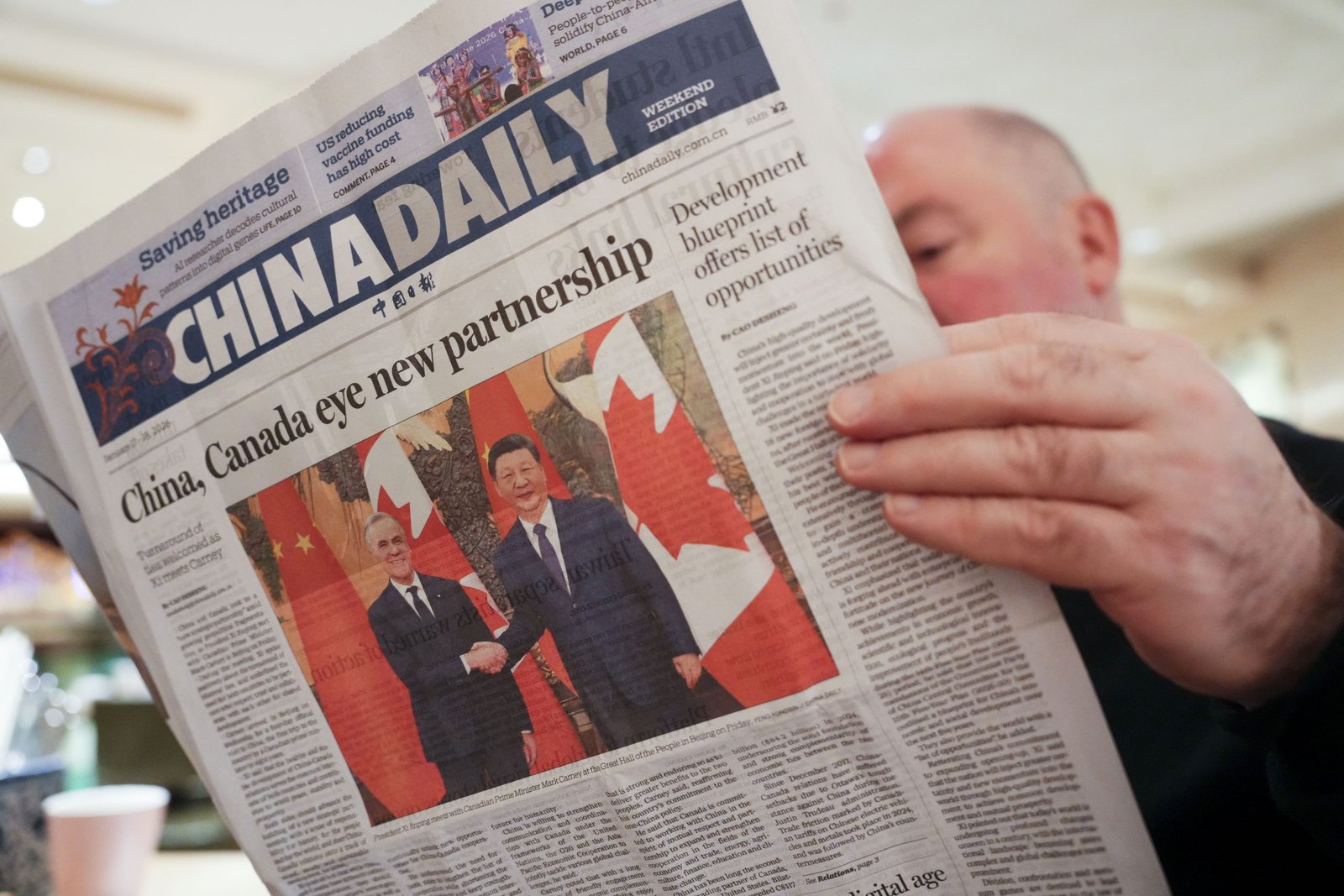
An expert on Canada-China relations is cautioning against turning renewed defence talks between Ottawa and Beijing into a partisan issue, while calling on the federal government to be more transparent about the purpose of the dialogue.
The comments come after the Conservatives criticized the Liberal government’s decision to resume defence co-ordination talks with China following an eight–year hiatus, arguing the move sends the wrong signal as Beijing continues to pose a threat to Canada’s national security.
Vina Nadjibulla, co-founder and CEO of Centre for Strategic Statecraft, told iPolitics reopening military-to-military dialogue should not be interpreted as a shift in Canada’s defence posture or its relationship with longstanding allies.
“We need to have a lot more clarity because Canada’s relationship with China is being recalibrated because we are deepening engagement on certain files, like economic and commercial relations,” Nadjibulla said.
Sydney Ko reports.

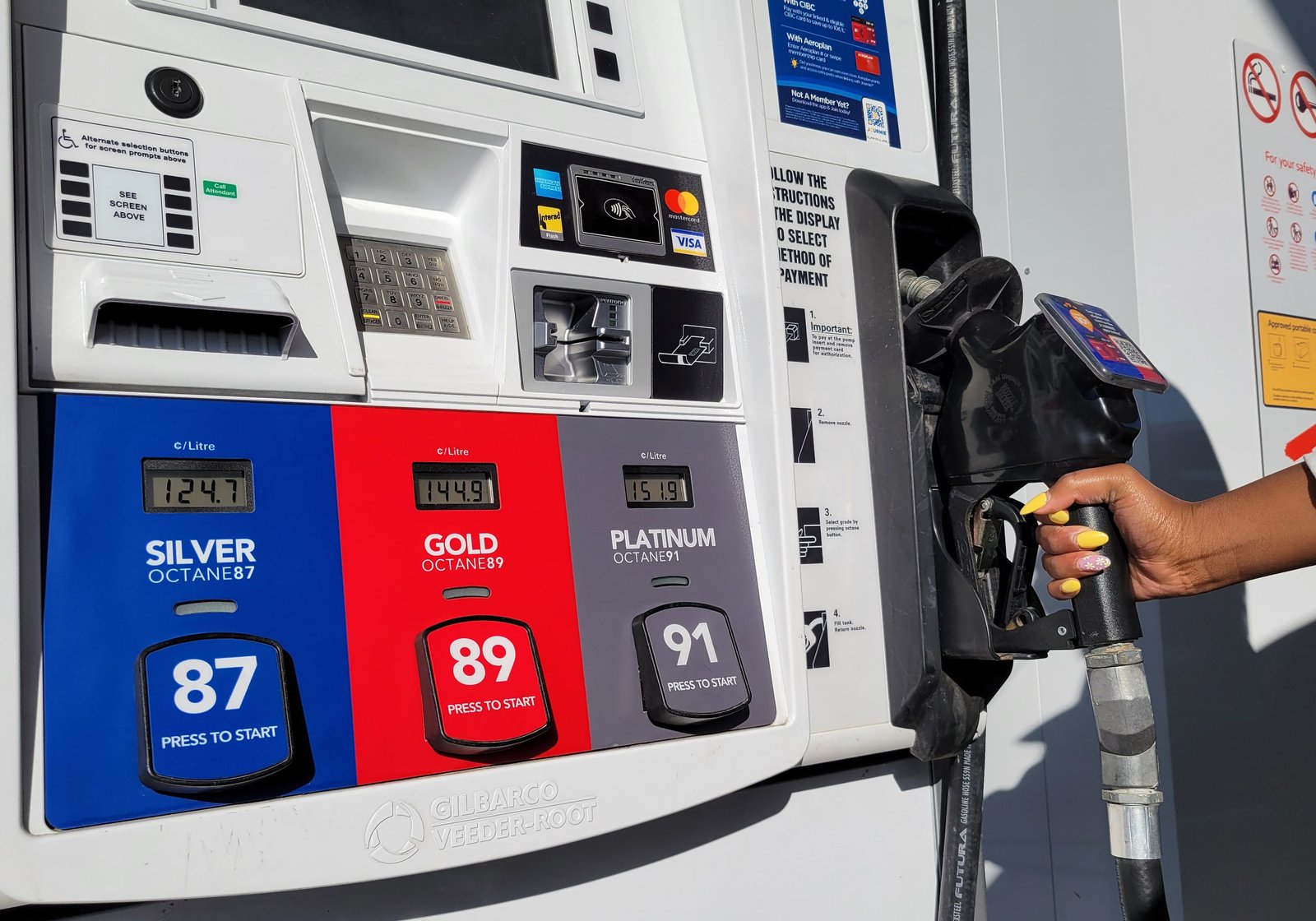
Fuel prices tend to ease off around this time of year, but one industry expert says drivers should expect no such relief this time.
“Traditionally, gas prices decline after Labour Day as gasoline demand slowly tapers off and we also in a week make the transition back to cheaper winter gasoline,” said Patrick De Haan, head of petroleum analysis at price-tracking website Gasbuddy.com.
“But we may not see much of that tailwind this year.”
Crude prices spiked when the U.S. and Israel launched their war against Iran in late February. Tanker shipments all but ceased through the Strait of Hormuz, a strategically vital link between the Persian Gulf and the open ocean. By early, summer prices retreated to close to pre-war levels amid hopes for peace, but the situation has since deteriorated.
Brent crude, the international standard, was hovering in the triple digits in Wednesday trading after attacks on oil facilities and ships in the Middle East threatened to further debilitate an already weakened supply chain. The last time prices were that high was in July.
The Canadian Press has more.
In Other Headlines
Internationally
Elsewhere, prominent Israelis have welcomed new UK sanctions as a necessary response to settlement expansion and spiralling violence in the occupied West Bank.
The intervention was described – by the president of the Israel Academy of Sciences and Humanities, a former prime minister, an ex-head of the army and former ministers and diplomats – as an “inevitable consequence” of Israeli government and security failures.
“Sanctions [are being imposed] against Jewish terrorists, and not against the legitimacy of the state of Israel,” they wrote in a joint statement. “There is no basis to the [Israeli] government’s response that the decision to impose sanctions against Jewish terrorists is an expression of antisemitism.”
Ed Miliband, the foreign secretary, had indicated Britain was planning new sanctions but the strength of his language and the scale of the controls he announced on Tuesday were a surprise.
It was the most significant attempt in many years, from a close Israeli ally, to leverage economic power to force change in the occupied West Bank.
Read more from The Guardian.
A new era unfolded at Apple on Wednesday with its new CEO unveiling an iPhone the size of a passport that, well, folds.
The device, called iPhone Duo, represents the most radical physical change to the iconic iPhone since Apple introduced the minimalist glass slab to the world nearly 20 years ago, kicking off the smartphone era.
The Duo, likely in development for years, was no doubt timed to launch the tenure of CEO John Ternus with a statement about hardware and product design. Ternus took over from Tim Cook at the start of the month.
While Cook was praised for his business acumen — Apple’s market cap grew nearly 13-fold during his decade and a half at the helm — critics say Apple’s gadgets haven’t had the same “wow factor” that they did under the late visionary leader Steve Jobs, who introduced the first iPod, iPad and iPhone.
NPR has more.
In Other International Headlines
Kicker
United States Trade Representative Jamieson Greer called Canadians “unhinged” for naming this trade dispute “war.”
What’s really unhinged is this map.
Have a great evening!