dailynewsnblog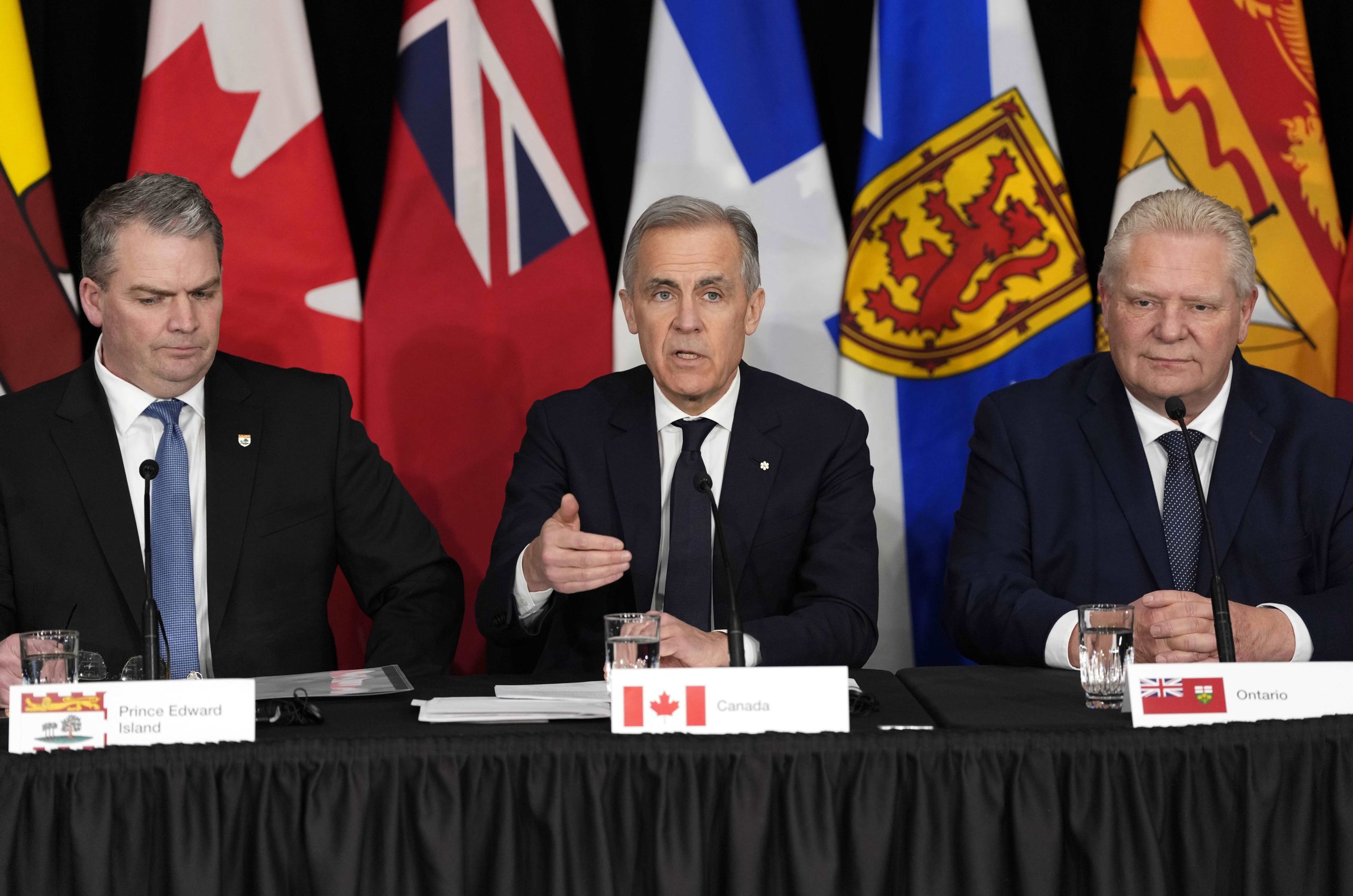
Every province except Alberta and Saskatchewan has restricted the sale or purchase of American alcohol since Trump first imposed tariffs on Canadian goods earlier this year.
U.S. President Donald Trump’s latest escalation in the Canada-U.S. trade dispute is putting Canada’s premiers under renewed pressure as they gather in Charlottetown this Tuesday, with one provincial retaliation measure emerging as a growing obstacle in negotiations: the removal of American alcohol from liquor store shelves.
The White House announced Monday it would impose 50 per cent tariffs on a range of Canadian goods, citing what a senior administration official described as Canada’s retaliation against U.S. trade measures and its discrimination against American motor vehicles, dairy and alcohol.
After the announcement, another challenge is coming into focus: some of the retaliatory measures Washington wants addressed seem to be outside Ottawa’s direct control.
Among them are provincial restrictions on American alcohol, a measure adopted in response to U.S. tariffs and one that Ontario Premier Doug Ford has repeatedly said he has no intention of reversing.
Every province except Alberta and Saskatchewan has restricted the sale or purchase of American alcohol since Trump first imposed tariffs on Canadian goods earlier this year.
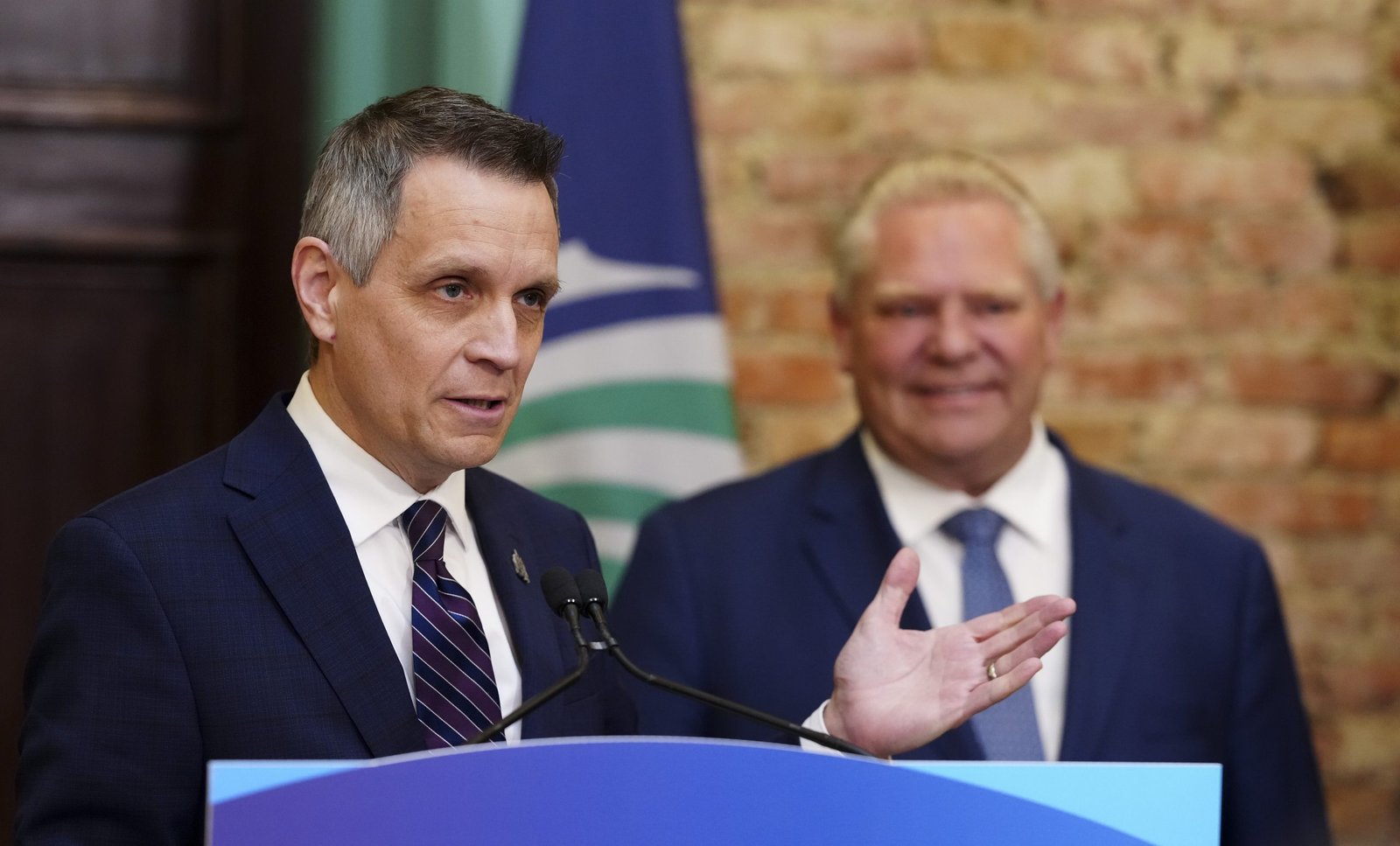
No premier has been more forceful than Ontario’s Doug Ford.
Ontario, home to the LCBO, one of the world’s largest purchasers of beverage alcohol, was among the first provinces to pull American products from its shelves. Following Trump’s latest tariff announcement, Ford said he has no intention of changing course.
Ford doubled down on that position this Monday on his socials.
“I’ll never stop fighting to protect Ontario. If these tariffs proceed, Canada should respond tariff for tariff, dollar for dollar,” he wrote on X.
Prime Minister Mark Carney is expected to discuss the issue during a virtual meeting with the premiers Tuesday afternoon as negotiations with Washington continue.
The standoff shows an awkward constitutional reality for Carney.
While the federal government is responsible for negotiating international trade agreements, liquor distribution falls under provincial jurisdiction, leaving Ottawa unable to simply order provinces to reverse their policies.
On their side, the United States has repeatedly said that the provincial alcohol restrictions are one of its trade irritants. American officials have also rejected Ottawa’s argument that the measures are solely provincial decisions.
So should premiers continue maintaining the restrictions as leverage against the United States, or could they ultimately complicate Ottawa’s efforts to reach a deal?
Jeff Rutledge, a Conservative strategist and senior vice-president at Vantage, said that, regardless of the constitutional division of powers, Canadians deserve greater clarity from the federal government about its strategy.
“The message that has been communicated from the Prime Minister’s Office is that we do not negotiate in public, which is fine and fair,” he said. “But you do need to communicate with the public.”
If Carney believes provincial alcohol restrictions have become an unnecessary obstacle to negotiations, Rutledge argued, he should say so and communicate that view directly to the premiers.
“If the prime minister’s view is, ‘Address the alcohol thing, it’s one less irritant, put the American booze back on shelves,’ then great. He should communicate that to his contemporaries at the provincial level,” he said.
On the other hand, if Ottawa and the provinces believe maintaining the restrictions strengthens Canada’s negotiating position, “then they should keep it off the shelves.”
“So far, we haven’t heard that explanation.”
NDP strategist Erin Morrison said the provincial alcohol restrictions themselves are not the problem. Instead, she argued the larger issue is whether Ottawa and the provinces are presenting a coherent strategy to the United States.
“There is broad support across the political spectrum for a ban on U.S. booze,” Morrison said, adding that premiers in Manitoba, British Columbia and Quebec have all adopted similar measures and Ontario NDP Leader Marit Stiles also supports keeping American alcohol off LCBO shelves.
“Canadians are hoping that this week’s First Ministers’ Meeting finally gets Ford and Carney on the same page,” she said. “We need one strategy to deal with Trump, not a dozen, all undermining each other.”
The debate comes as eight provinces continue to restrict new purchases of American alcohol in various forms, although policies differ from province to province. Ontario remains among the most aggressive, with the LCBO removing U.S. products from its stores after the trade dispute escalated.
Whether the policy is helping Canada’s negotiating position remains an open question.
Rutledge argues that its economic impact should not be dismissed. The LCBO is one of the world’s largest purchasers of beverage alcohol, and American producers, particularly bourbon distillers in Kentucky and Tennessee as well as wineries in California and Oregon, have already felt the effects.
“It’s clearly impacted Tennessee. There’s no question about it,” he said. “California’s been talking about how much it’s hurt their wine market. There are states that are being desperately impacted by this.”
At the same time, he acknowledged the political dimension of the policy.
Trump’s latest tariff threat may reinforce public support for maintaining the restrictions regardless of their negotiating value, he said, because many Canadians simply want to see governments responding to U.S. pressure.
“Generally speaking, it doesn’t matter whether or not the decision to keep alcohol off the shelves puts Canada in a more advantageous negotiating position,” Rutledge said. “It will make Canadians feel like we are doing something.”
It is not the first time Premier Ford has gone over Carney’s head on negotiations with Trump.
The Ford government spent approximately $75 million on a U.S. television ad campaign featuring former U.S. President Ronald Reagan warning against the dangers of tariffs. With the goal of persuading American voters and politicians, the ad sparked a major diplomatic dispute that briefly caused the U.S. to terminate trade talks with Canada.
“Ford spent boatloads on the now-infamous Ronald Reagan ad. In response, Trump cancelled trade negotiations with Canada, and Ford pulled the ad after one day,” Morrison said.
“Ford put a surcharge on energy exports, Trump was furious, and Ford cancelled the surcharge after one day.”
“Ford goes on American TV to make threats, then doesn’t make good on them. None of these things improve Canada’s bargaining position.”
That leaves governments facing a choice between political symbolism and negotiating strategy.
“If it’s just political gamesmanship at the federal and provincial level, then fine,” Rutledge said. “But right now, we need to be making decisions with the intention of putting us in a position to negotiate terms that will be more beneficial for Canada.”