dailynewsnblog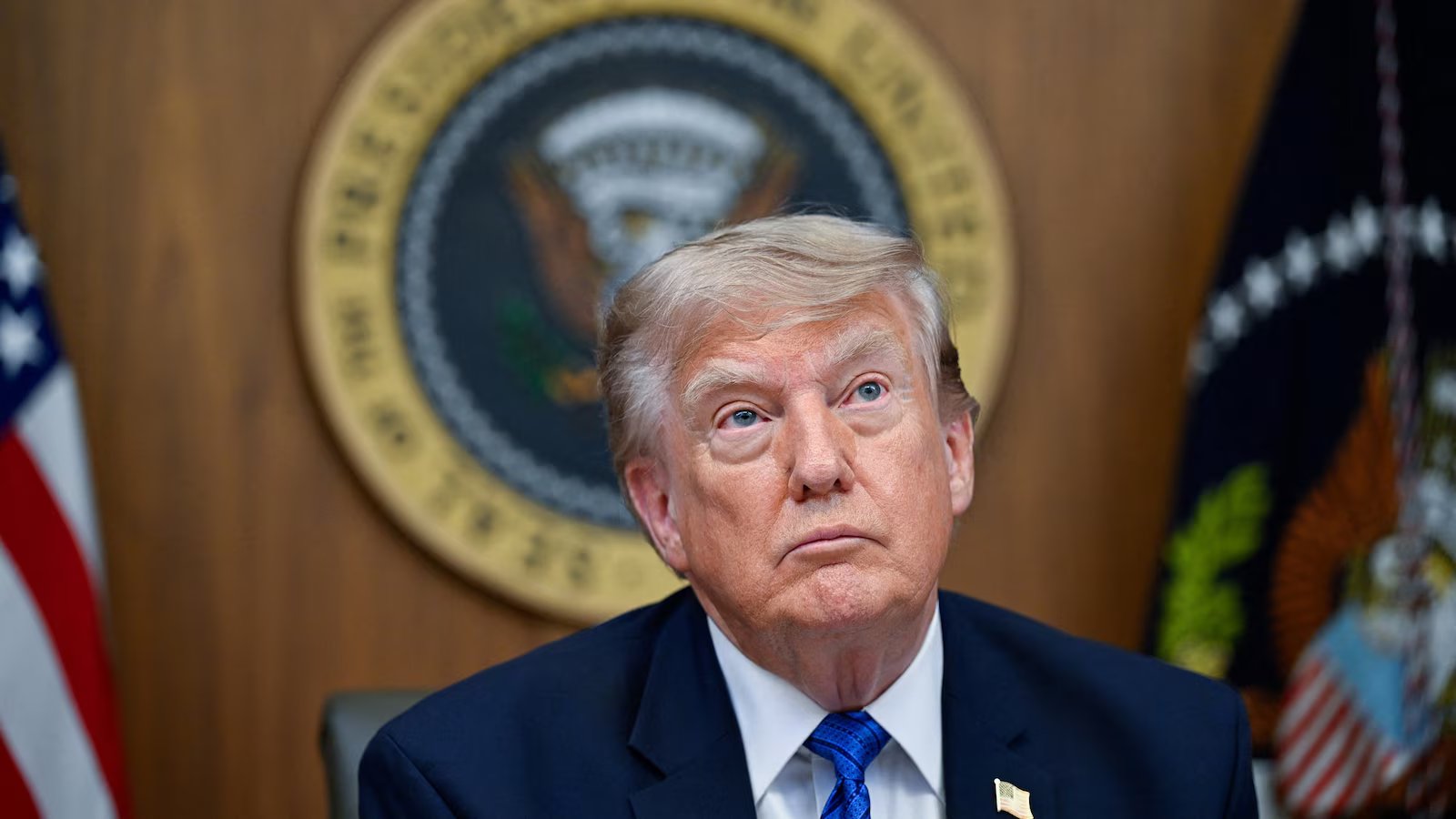
President Donald Trump acknowledged for the first time Friday that the $1.8 billion so-called “Anti-Weaponization Fund” is “dead,” but made clear that he wishes it still existed. He also did not spell out why the end of the fund isn’t being put in writing.
The fund and Trump’s settlement with the IRS, which provided him and his family immunity from any existing audits of tax returns, has thrown a wrench in the nomination of Todd Blanche to be attorney general.
Republican Sen. John Cornyn, a key holdout on Blanche’s nomination, is demanding the Department of Justice formally put on paper that the fund is not moving forward — as Blanche testified under oath during his confirmation hearing.
“Do you agree with the acting attorney general that the Anti-Weaponization Fund is dead, and why not just put that in writing?” ABC News Chief White House Correspondent Mary Bruce asked Trump at a Cabinet meeting at Camp David.
“Well, it is dead, but you know I wish it weren’t, to be honest with you,” Trump responded. “I think people were horribly treated, horribly abused … and I’d like to see them compensated for the pain.”

President Donald Trump listens to questions from reporters during a Cabinet meeting at Camp David, the presidential retreat, July 31, 2026 in Camp David, Maryland.
Daniel Heuer/Reuters
Trump then argued that Blanche, despite his role as acting attorney general, “shouldn’t be in the middle of this.”
The Senate Judiciary Committee postponed voting Thursday on Blanche’s nomination amid resistance from Cornyn, as well as Republican Sen. Thom Tillis — both outgoing senators whose terms end in January.
Trump has floated the possibility of temporarily withdrawing Blanche’s nomination until Cornyn and Tillis are out of office.
Cornyn, in addition to wanting written confirmation that the fund is dead, said he wants to see the scope of Trump’s immunity deal with the IRS narrowed.
The president was asked if he was willing to accept limits on the scope of that deal in order to get Blanche approved to the post permanently.
“He should be approved forthwith,” Trump said. “I mean, you’re not going to get a person like that.”
Friday’s developments came as lawyers for Trump challenged a ruling from earlier this month that sought to discipline them for using the judicial system to broker the creation of the fund.
In a court filing Friday, attorneys for the president in his personal capacity said they planned to appeal a ruling from U.S. District Judge Kathleen Williams that criticized the lawyers for using the court to attempt to legitimize a “settlement” that she says would never have survived judicial review.
It is unclear what appealing the order would achieve. Judge Williams, in her ruling, referred the lawyers for disciplinary action and said Trump and the federal government are “prohibited from referring to the purported ‘settlement agreement'” or using it “in any judicial, administrative, regulatory, arbitration, or any other official proceeding.”
ABC News’ Katherine Faulders, Alexander Mallin and Peter Charalambous contributed to this report.