dailynewsnblog
The Trump administration advanced the names of 12 Americans this week who committed crimes or took other actions that officials say qualify them to lose their U.S. citizenship, signaling that it plans to make good on a pledge to increase the rate of immigrant denaturalizations.
The Department of Justice filed the cases in federal courts across the country on Thursday and Friday. The individuals whose citizenship it seeks to revoke in this wave of cases are alleged to have obtained their status through fraud or by lying about past criminal acts, or because they demonstrated allegiance to terror groups after obtaining their citizenship.
While the government has revoked citizenship in the past, it has done so sparingly because the process is difficult, and because citizenship is generally revered. The Trump administration, however, has indicated that it will use every power at its disposal to expel immigrants it considers undeserving of their presence in the United States.
Late last year, Department of Homeland Security officials were told to refer upward of 200 cases for denaturalization a month, and Justice Department officials across the United States were advised recently to prepare to take on nearly 400 cases as part of a first wave of revocations.
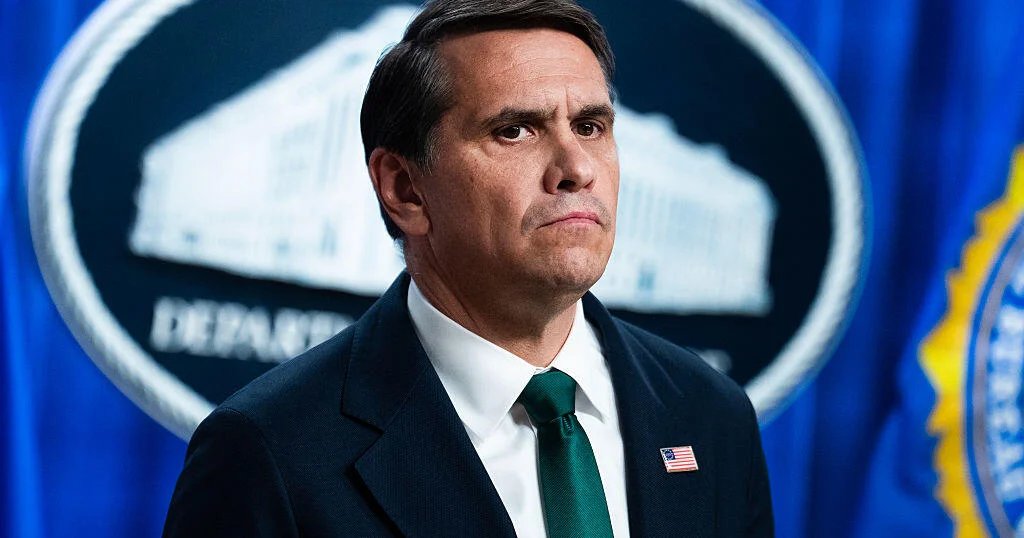
“Individuals implicated in committing fraud, heinous crimes such as sexual abuse, or expressing support for terrorism should never have been naturalized as United States citizens,” said Todd Blanche, the acting attorney general, in a statement. “The Trump administration is taking action to correct these egregious violations of our immigration system.”
The wave of cases, including for actions conducted years ago, could unnerve communities of naturalized American citizens already on edge at President Trump’s clampdown on immigration, which has also affected those who have been in the country legally. It could send a message that naturalized citizens have less security than natural-born citizens.
Cassandra Burke Robertson, a professor at Case Western Reserve University School of Law who has researched the topic, said the cases “represent a significant escalation in the government’s denaturalization efforts.”
“The sheer volume in such a compressed time frame is historically unusual and suggests a coordinated, deliberate strategy rather than routine enforcement,” she said in an email.
Naturalized citizens can have their citizenship revoked for a variety of reasons, including misrepresenting key facts about their case or not being qualified for citizenship in the first place.
The use of denaturalization has been rare. The Department of Justice noted late last year that over 130 cases were filed from 2017 to July 2025. Government officials can only seek to strip citizenship in federal court either through a civil proceeding or in a criminal case.
“For decades the number of denaturalization cases filed per year has been minuscule due to the gravity of this action,” said Amanda Baran, a former senior U.S. Citizenship and Immigration Services official in the Biden administration. “This heavy-handed approach yet again demonstrates how the Trump administration is using the law as a cudgel to intimidate and mislead the public.”
The individuals the government is seeking to undo citizenship for this week included a person alleged to have committed war crimes, a man who pleaded guilty to child sexual abuse crimes, a man who pleaded guilty to material support for Al Qaeda, another who allegedly entered into a fake marriage to gain a green card, and others who are said to have used fake identities.
The federal government has a high bar to meet in court to convince a federal court judge to revoke someone’s citizenship.
“For civil revocation of naturalization, the burden of proof is clear, convincing, and unequivocal evidence which does not leave the issue in doubt,” said U.S. Citizenship and Immigration Services on its website.
Amanda Frost, a professor at University of Virginia Law School who has researched denaturalization, said the cases indicated that the Trump administration viewed denaturalization differently than past administrations. She warned that for Trump officials, it is part of immigration enforcement and thus naturalized citizens can “never rest easy.”
“I think they’re going to push the envelope on denaturalization as they have with many other aspects of immigration enforcement,” she said.
Georgia Gee contributed research.