dailynewsnblog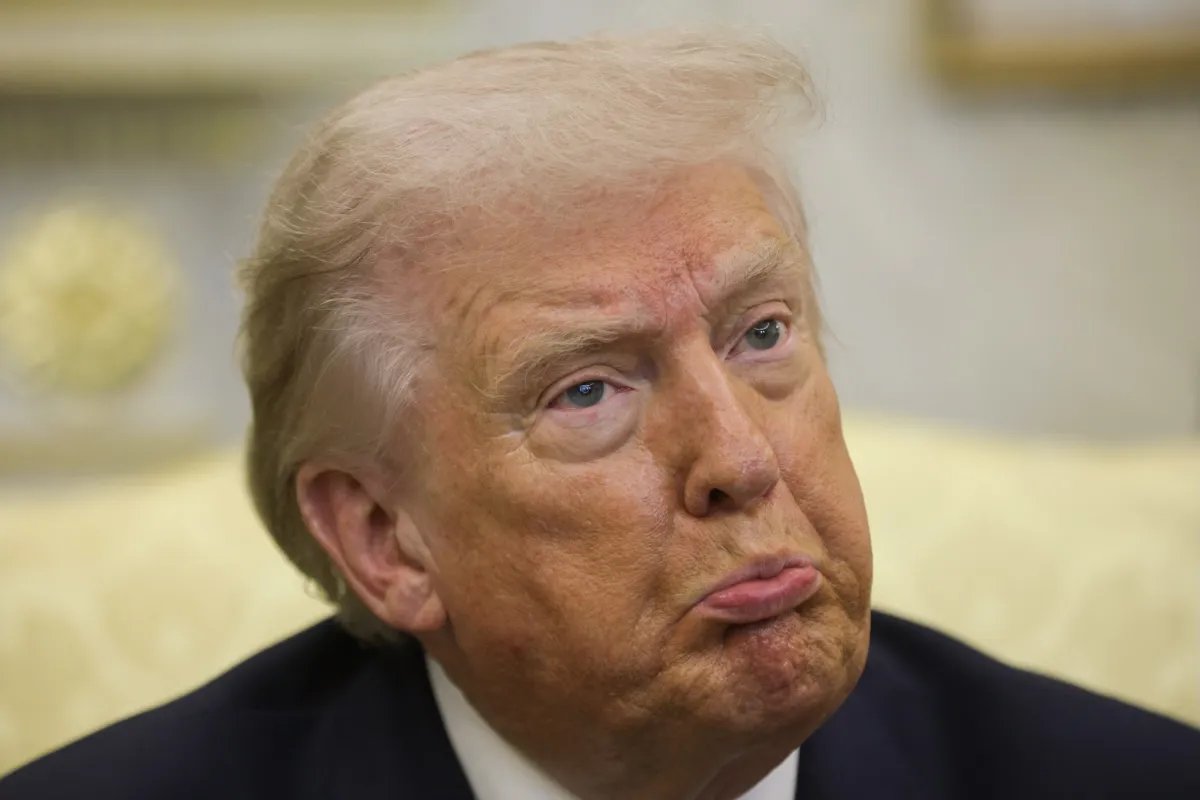
The U.S. government’s enforcement letter to Anthropic, which effectively forced the company to pull its latest AI models offline just before the weekend, should be a wake-up call for any U.S. tech company — AI lab or otherwise.
To catch you up on the news blitz: On Friday afternoon, the U.S. Commerce Department sent Anthropic a letter invoking an obscure export control directive that banned non-Americans, including Anthropic’s employees, from accessing Fable 5 and Mythos 5, citing an unspecified national security concern. Anthropic said it believes the letter is related to a bypass of the model’s guardrails, but isn’t sure because the letter doesn’t provide specific details. The letter has not been made public.
In response, Anthropic shut down both of its top models to all customers to ensure that it complied with the directive. The result was that the U.S. government successfully forced a tech company to pull its models offline with a swift and unilateral action that didn’t appear to require court approval.
Friday’s intervention by the Trump administration shows that the AI industry is not immune to government interference. It’s also a warning to the wider tech industry: comply, or we can shut you and your products down.
Citing sources, Axios described a tense situation over the weekend between the two major players, saying that the “personality differences” between Anthropic and the Trump administration led to the export directive, rather than a technical issue with the AI products.
New details about the issue that emerged over the weekend now cast further doubt on the government’s already shaky reasoning.
Katie Moussouris, a cybersecurity veteran and researcher who founded Luta Security, said in a blog post that Anthropic recently shared with her a private copy of a paper written by security researchers describing an alleged guardrail bypass in Fable 5. (The Wall Street Journal reports that the paper’s authors are security researchers at Amazon.) Moussouris said that Anthropic reached out to ask for her take on the paper.
Moussouris’ blog post described how the researchers triggered the guardrail bypass, but said that the bypass itself “should never have triggered an export control.” The difference is largely between asking an AI model to “review code for security issues” versus asking it to “fix this code.” The end result is largely the same, even if the questions are posed slightly differently.
“The behavior described in the paper cannot meaningfully be fixed, and any attempt would only weaken the model for defense,” said Moussouris, who criticized the export control directive as hasty, heavy-handed, and misguided.
Moussouris and dozens of other top security researchers and experts have since called on the Trump administration to revoke the export control order, calling the move to pull advanced cybersecurity capabilities from network defenders in the U.S. as “dangerous.”
Past administrations have made sweeping decisions on knowledge gaps. For instance, language used by the U.S. government during the 2010s to fix export law covering cybersecurity tools that could also be used for cyberattacks was so broad that inadvertently, it nearly outlawed legitimate security and vulnerability research.
However, the Trump administration’s directive appears retaliatory.
Justin Hendrix, the editor of Tech Policy Press, said the Trump administration’s move is “likely to raise alarms in foreign capitals about the reliability of American AI for critical applications.” The message is that AI companies in the United States can’t be trusted to operate without interference from the U.S. government.
The Trump administration hasn’t confirmed why it invoked its export control directive. Did the officials misread the report and freak out? Did Amazon CEO Andy Jassy say something to senior government officials that prompted the reaction, out of caution or spite? Was something lost in translation, or was this a way to pressure Anthropic, with whom the administration already has a fractious relationship? It’s possible that the White House was unaware of the far-reaching consequences of the letter’s demand and officials are scrambling to undo the damage of their own making.
To quote Hendrix, “the climate is one of a cloud of suspicion that senior officials are picking favorites based on personal and political factors.” The aftermath is that the government has set a dangerous precedent about how much control it intends to wield over the release of American-made software.
This time the government took issue with Anthropic; tomorrow it could be with anyone else.
When you purchase through links in our articles, we may earn a small commission. This doesn’t affect our editorial independence.