dailynewsnblog
Airlines are confronting a crisis that money alone cannot solve. Thousands of veteran captains are reaching the FAA‘s mandatory retirement age at the same time, creating a demographic cliff that has been building for decades. The wave was intensified by the pandemic, when carriers encouraged senior pilots to retire early during the collapse in travel demand. Those experienced aviators are now permanently absent from the workforce, leaving airlines without enough seasoned leaders in the cockpit.
The shortage extends far beyond hiring replacements. Commercial aviation depends on a long training pipeline that cannot be compressed to match demand. Every retirement sets off a chain reaction across the industry as major airlines recruit from regional carriers, which in turn pull from flight schools already struggling to keep pace. While lawmakers debated raising the retirement age, regulatory limits, safety concerns, and international rules stalled any meaningful change, leaving regional airports and smaller communities to absorb the sharpest impact of the pilot shortfall.
No Amount Of Compensation Can Buy Back Time For Pilots

Wikimedia Commons, Simple Flying
No amount of pay raises, signing bonuses, or upgraded benefits can overcome a hard regulatory deadline. Commercial Pilots in the United States must retire at 65, regardless of experience, performance, or willingness to continue flying. Airlines are now losing thousands of senior captains every year, with retirements projected to surge through the late 2020s. The timing could hardly be worse for an industry attempting to rebuild schedules, expand fleets, and meet resurgent travel demand all at once.
The problem was accelerated by decisions made during the COVID-19 Pandemic downturn. In 2020, carriers facing historic financial losses encouraged veteran pilots to accept early retirement packages, often years before mandatory retirement would have forced them out. Many accepted lucrative exits after decades in the cockpit, creating a gap that cannot simply be rehired back into existence. Those pilots represented decades of accumulated operational knowledge, leadership, and mentoring experience that younger crews are still years away from replacing.
The “Silver Tsunami” Bearing Down On Commercial Aviation

Kelly & L.D. Jeffries | Simple Flying
The commercial aviation industry is approaching what many insiders describe as a “silver tsunami” as thousands of veteran pilots near mandatory retirement age at the same time. Airlines expanded aggressively in the decades following deregulation, creating major hiring waves throughout the 1980s and early 1990s. Those same generations are now leaving the cockpit simultaneously, forcing carriers to replace an unprecedented concentration of experience within a relatively short period.
The pandemic intensified the problem. As travel demand collapsed in 2020, many airlines encouraged older pilots to accept early retirement packages to reduce costs during the downturn. Thousands left the industry earlier than expected, permanently shrinking the pool of experienced captains just as global travel demand began recovering faster than expected. Since then, airlines around the world have struggled to rebuild staffing levels while maintaining full schedules.
Replacing those pilots is neither simple nor quick. Becoming an airline pilot requires years of training, flight hours, certifications, and significant financial investment before candidates can qualify for commercial operations. Even accelerated training programs can only shorten the process so much, and competition for qualified pilots remains intense across the industry. As airlines raise salaries, expand cadet programs, and fast-track promotions, regional carriers and smaller airports continue to feel the greatest strain from the ongoing shortage.
Why US Visa Restrictions Could Be A Major Threat To Global Pilot Supply
Many flight schools are reliant on international students, so changes to visa systems could worsen the pilot shortage in the long run.
The Difficulties In Replacing A Retiring Captain

Replacing a retired airline captain is far more complicated than hiring a new pilot. Airlines continue to recruit thousands of first officers each year, but the real constraint sits higher in the system. Captains commanding narrowbody and widebody aircraft often carry decades of operational experience, international exposure, and leadership developed over thousands of flight hours. When those senior pilots retire, airlines cannot simply accelerate a replacement into the left seat overnight.
The challenge is intensified by the structure of the aviation training pipeline itself. Becoming an airline pilot requires years of certifications, time-building, simulator training, and aircraft-specific qualifications before a pilot can even enter the commercial airline system. From there, progression to captain depends on seniority, operational experience, and access to limited training resources such as full-flight simulators and instructor capacity. Even accelerated cadet programs primarily prepare pilots for entry-level first officer positions, meaning the development of future captains still unfolds over many years.
|
Requirements For Aviation Licenses |
||
|---|---|---|
|
License Type |
Flight Hours |
Training Requirements |
|
Private Pilot License (PPL) |
40 Hours |
Solo Flight, Cross Country, Takeoffs / Landings, Basic Maneuvers |
|
Commercial Pilot License (CPL) |
250 Hours (Part 61) or 190 Hours (Part 141) |
Complex Operations, Instrument Flying, Commercial Maneuvers |
|
Airline Transport Pilot License (ATPL) |
1500 Hours |
Multi-Engine, Large Aircraft, Complex Flight Operations, ATPL Theory |
The effects ripple throughout the global airline industry. Major carriers recruit experienced pilots from regional airlines, regionals lose captains faster than they can promote replacements, and smaller communities often see the consequences first through reduced schedules or lost air service. Meanwhile, fast-growing airlines in regions such as Asia and the Middle East are competing aggressively for the same pool of experienced commanders needed to support fleet expansion. The result is not simply a hiring shortage, but a structural experience gap that airlines around the world are still struggling to close.
The Retirement Age Debate That Went Nowhere

For several years, raising the mandatory pilot retirement age from 65 to 67 was presented as a possible solution to the airline industry’s staffing pressures. Supporters argued that keeping experienced captains in the cockpit longer would immediately ease shortages at major carriers and stabilize the training pipeline. Yet despite heavy debate in Congress and strong backing from parts of the industry, the proposal ultimately stalled. The FAA Reauthorization Act of 2024 left the retirement age unchanged, preserving the long-standing Age 65 rule.
The resistance came from both regulators and pilot unions, who argued that the issue was more complicated than simply extending careers by two years. International Civil Aviation Organization ( ICAO) rules still limit multi-crew airline operations beyond age 65 in many parts of the world, creating operational and scheduling complications for globally connected airlines. Safety concerns also remained central to the discussion, with regulators calling for more research before making any significant changes to retirement policy. In practice, the proposal risked delaying the problem rather than solving it, since airlines would still eventually face the same wave of retirements.
Meanwhile, hiring demand throughout the industry has remained intense. Major airlines continue recruiting aggressively, regional carriers are offering six-figure bonuses to direct-entry captains, and flight schools are struggling to keep instructors as airlines hire them away almost immediately. The result is a hiring environment unlike anything seen in previous decades, where newly qualified pilots can receive multiple job offers before completing training. Even so, the industry’s biggest challenge remains unchanged: developing enough experienced captains to replace the generation now aging out of the cockpit.

Why ICAO Rejected IATA’s Proposal To Raise Pilot Age Limits
The proposal sought to extend the global age limit for multi-crew international operations from 65 to 67.
The Cascade Effect: The Pressure Put On Regional Airlines

The global pilot shortage is no longer confined to major international airlines. Its effects are cascading throughout the aviation industry, placing the greatest strain on regional carriers that operate with smaller staffing buffers and tighter margins. As major airlines expand fleets and aggressively recruit experienced crews, regional operators are often left competing for the pilots they once relied on to sustain schedules and maintain connectivity to smaller communities. Every new aircraft entering service requires multiple flight crews, and with hundreds of commercial jets being delivered annually, demand for qualified pilots continues to outpace supply.
Retirements are intensifying the pressure. Thousands of senior pilots are leaving the industry each year, while training pipelines struggle to produce enough replacements quickly enough to offset both retirements and growth. The result is a chain reaction throughout the labor market. Major airlines hire captains away from regional carriers, regionals promote first officers as quickly as possible, and flight schools race to replenish the bottom of the system. Yet aviation experience cannot be manufactured overnight. Simulator shortages, instructor constraints, and the years required to accumulate meaningful flight time continue to limit how quickly airlines can rebuild the talent pipeline.
The competition for pilots has also transformed airline economics. Salaries across the industry have risen sharply as carriers attempt to secure and retain experienced crews. Regional airlines now offer signing bonuses, retention incentives, and accelerated career pathways that would have seemed extraordinary only a decade ago. Meanwhile, airlines in Asia, the Middle East, and Europe are competing for the same global pool of talent, often offering premium salaries and attractive long-haul opportunities. As travel demand continues climbing beyond pre-pandemic levels, the pressure on regional airlines is expected to remain one of the clearest signs of how deeply interconnected the modern aviation workforce has become.
Future Outlooks On The Pilot Shortage Crisis

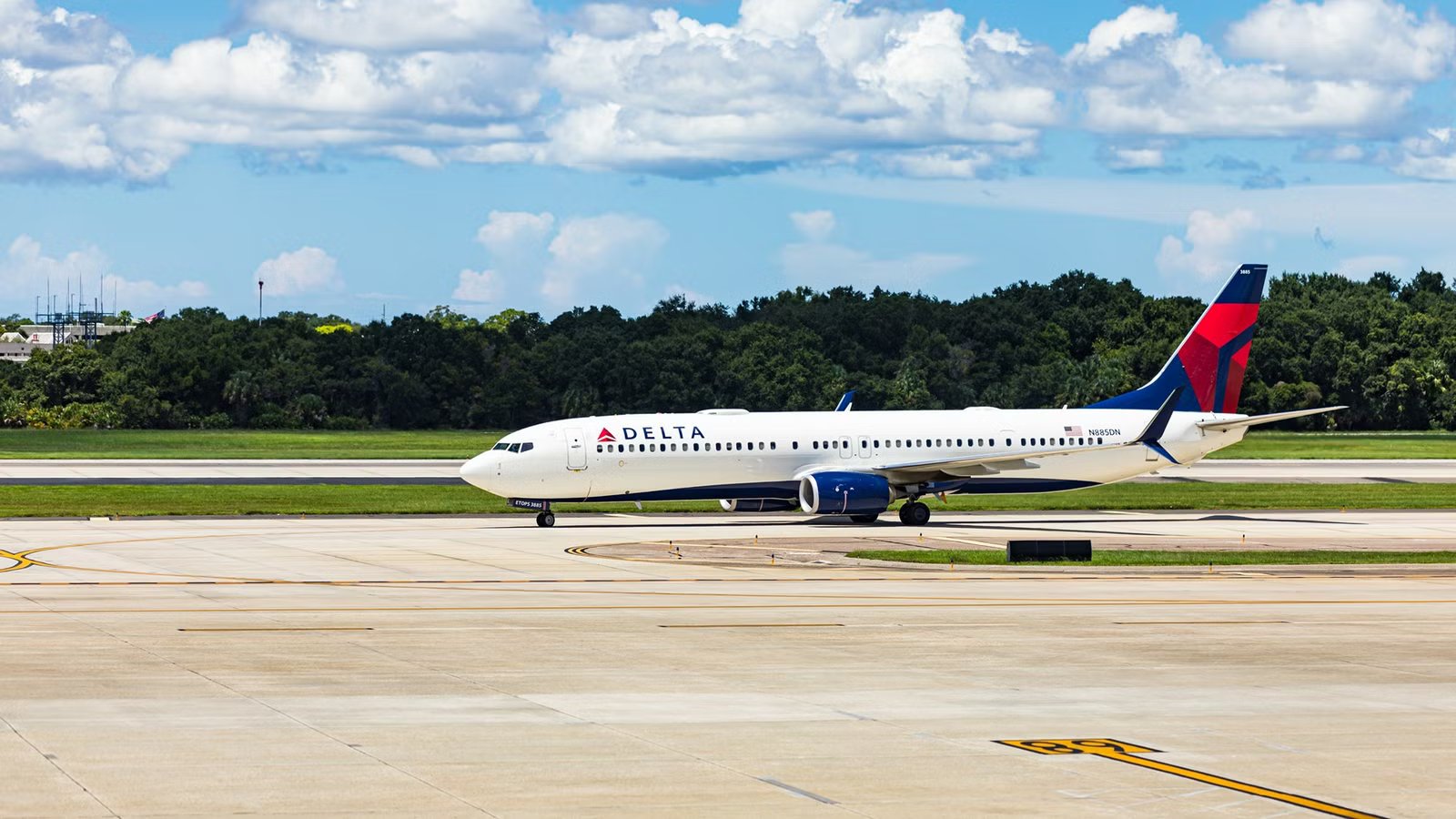
Delta Air Lines | Simple Flying
Looking ahead, the aviation industry is expected to continue facing significant pressure from the global pilot shortage. Mandatory retirement rules, rising passenger demand, and the lingering effects of the pandemic have created a difficult imbalance between the number of pilots leaving the workforce and those entering it. Airlines are already adapting by increasing salaries, expanding recruitment incentives, and accelerating promotion timelines for First Officers seeking captain roles. While these measures may provide temporary relief, long-term stability will depend on building a stronger pipeline of qualified pilots who can meet the industry’s future demand.
Accelerated training programs are likely to play a major role in addressing the crisis over the next decade. Schools such as the US Aviation Academy are attempting to shorten the path to the cockpit by offering intensive training programs that can move students toward commercial certification in under a year. By reducing training time and partnering with major airlines, these academies could help replenish the workforce more efficiently. However, affordability remains a major challenge, as pilot training still requires a substantial financial investment for many students.
The future outlook will ultimately depend on whether airlines, regulators, and training institutions can work together to make aviation careers more accessible without compromising safety standards. Expanded scholarship programs, airline-sponsored cadet pathways, and improved financing options may encourage more young people to pursue aviation careers. If these efforts continue to grow, the industry may gradually reduce the severity of the shortage while creating a more sustainable pilot workforce for the future.