dailynewsnblog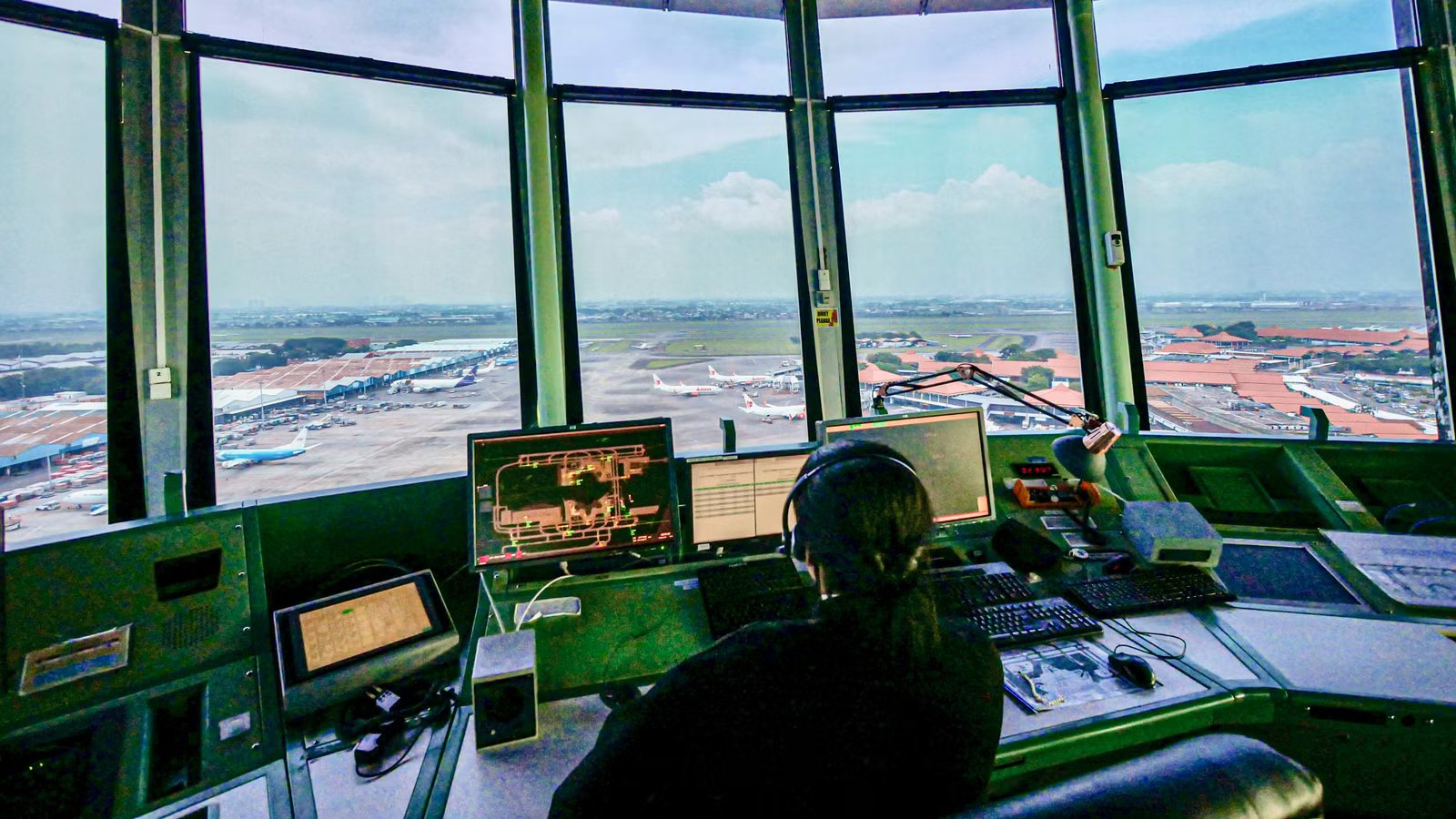
Working in aviation extends far beyond the flight deck, creating an expansive ecosystem of high-paying professional opportunities on the ground as well as in the air. Many aviation enthusiasts mistakenly assume that commanding a commercial airliner is the only path to achieving a top-tier salary in this booming sector. In reality, the modern aviation infrastructure relies intensely on a sophisticated network of executive, operational, and technical personnel who secure exceptional financial rewards without ever operating an aircraft. For individuals who want to build a lucrative career in aerospace but prefer to avoid the steep training costs or strict medical limitations of a pilot’s license, these corporate and operational tracks offer immense financial stability.
This list identifies five of the highest-paying commercial aviation roles that do not require a pilot’s license today. The jobs included are established using updated employment data from the Bureau of Labor Statistics (BLS), official Federal Aviation Administration (FAA) pay schedules, National Business Aviation Association (NBAA) metrics, and real-time market placement statistics. Every position evaluated on this list requires specialized training or certification, but none require a person to log a single hour of flight time. This list also provides an objective breakdown of the exact operational demands, technical barriers to entry, and current compensation realities for each elite ground-based profession.
5
Safety Inspectors
$142,412 Top Pay

To keep the aviation network around the world structurally intact, rigorous oversight from dedicated field professionals is needed. Aviation safety inspectors play a critical role by evaluating airline maintenance procedures, pilot training schools, and overall flight operations to enforce strict federal compliance. These experts ensure that commercial carriers adhere to standardized safety management systems on a daily basis. Their role is vital, especially considering how safety-oriented the aviation industry is.
Entering this specialized field typically demands an extensive background and experience in aircraft maintenance, avionics, or airline operations. The Federal Aviation Administration employs thousands of these inspectors across the country to regularly audit certified repair stations and commercial fleets, making this one of the more accessible jobs in the aviation industry today. Their rigorous technical oversight guarantees that systemic risks are mitigated before aircraft leave the hangar, keeping operations running smoothly without being directly involved with airline operations.
Regulatory Focus Area | Base Salary Baseline | Maximum Locality Cap |
Standard Operations & Avionics Auditing | $84,500 | $117,500 |
Specialized General Aviation & High-Cost Localities | $117,500 | $142,412 |
Financial compensation for these regulatory roles is highly competitive according to official federal pay bands. The Federal Aviation Administration balances its compensation structures to offer salaries scaling between $84,500 and $117,500 annually. Senior inspectors working in complex regional locales or on specialized general aviation tracks frequently earn up to $142,412.
4
Flight Dispatchers
$203,000 Top Pay

Controlling the operational parameters of a commercial flight involves an intense partnership between the captain and the ground staff. Flight dispatchers share joint legal responsibility for the safety of every single journey, mapping out flight paths and calculating required fuel loads. They continuously monitor changing weather patterns to safely redirect airborne planes, taking in and processing a large amount of information in a fast-paced environment.
Earning an FAA aircraft dispatcher certificate represents the primary gateway into this fast-paced operational environment. Candidates must pass comprehensive knowledge and practical examinations covering meteorology, navigation, and federal aviation regulations to qualify, similar to the process of becoming a pilot. The intensive certification process prepares individuals to manage multiple active flight tracks simultaneously under high-pressure scenarios that will be experienced right from the very first day on the job.
Employment Tier Category | Entry-Level Salary Baseline | Senior Maximum Salary Cap |
Regional Operators | $40,000 | $72,000 |
Mainline Legacy Carriers | $85,000 | $203,000 |
Data benchmarks from Indeed and major airline labor contracts reveal a massive salary variance across the industry. Generally, entry-level dispatchers at small regional carriers often start around $40,000, though professionals at legacy airlines achieve significant financial success. Senior dispatchers, leveraging union seniority and shift differentials, routinely earn between $160,000 and $203,000, demonstrating this massive earning potential.

How Much Do Boeing 777 Pilots Make In 2026?
Here is how Boeing 777 pilots can easily earn six-figure salaries.
3
Systems Engineers
$170,000+ Top Pay
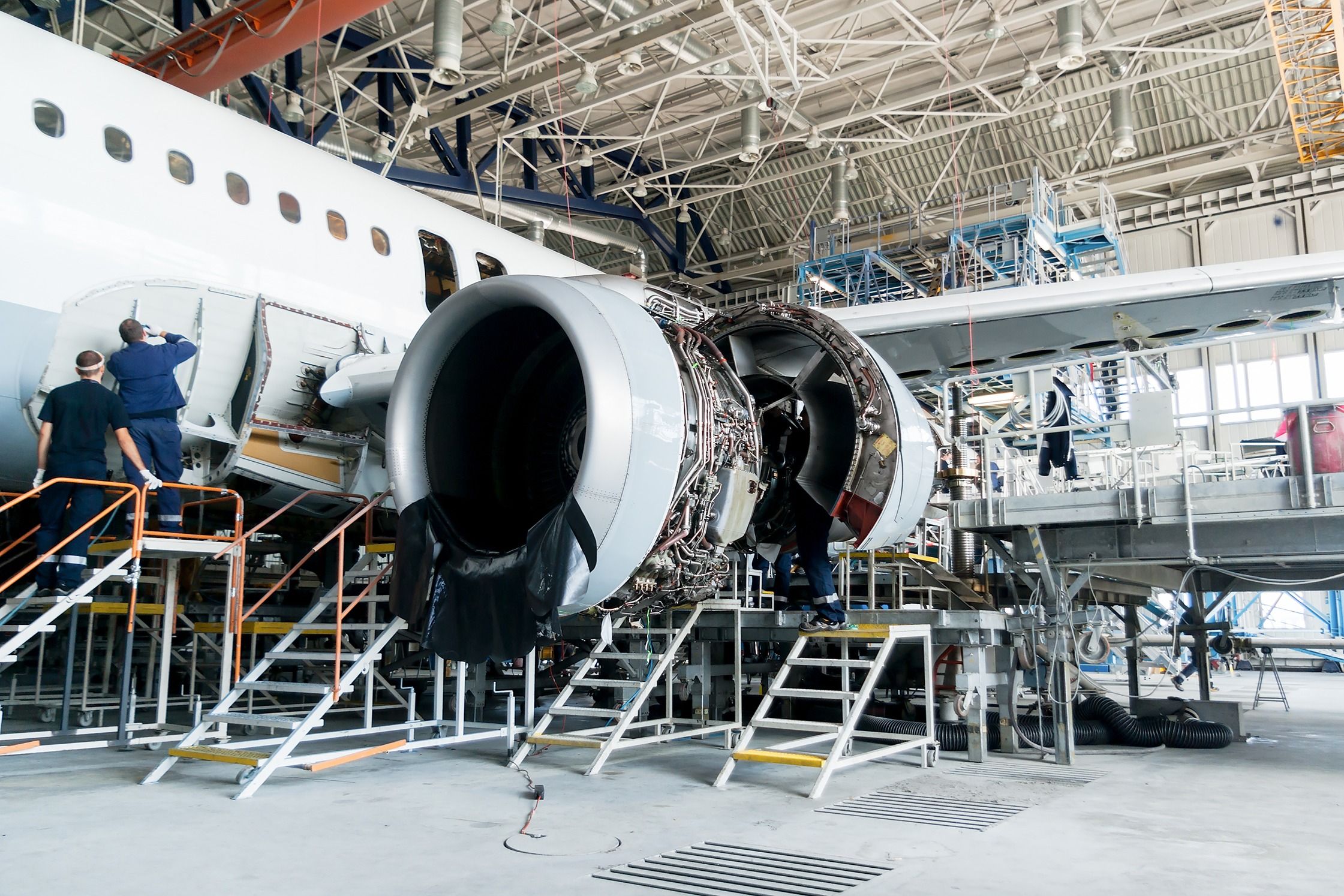
The job of integrating complex electrical, mechanical, and software components into a cohesive aircraft frame is something that the most talented engineering minds are often drawn to. Aerospace systems engineers manage the complete lifecycle of flight technologies, ensuring that new cabin configurations and avionics suites function flawlessly. Lufthansa Technik is just one of the companies that truly excels in this field, becoming a world leader in aircraft maintenance and helping over 800 global customers to maintain their fleets. The work that these professionals do ultimately dictates how modern commercial fleets safely interact with global navigation systems.
Pursuing this highly lucrative ground career means you will need a solid foundation in software engineering, electronics, or traditional aeronautical design. Major aircraft manufacturers and mainline carriers rely on these engineers to optimize fleet efficiency while meeting strict environmental regulations. Their analytical modeling prevents costly hardware integration failures during complex fleet overhauls, which can cost airlines millions if anything goes wrong.
Professional Role Tier | Median Annual Salary | Top-Tier Earning Potential |
Mainline Systems Engineer | $134,830 | $155,000 |
Senior Architect / Multidisciplinary Lead | $155,000 | $170,000+ |
Market analytics provided by the Bureau of Labor Statistics highlight the strong earning potential in this engineering segment. The median annual compensation for these systems professionals tracks at a substantial $134,830 across the domestic workforce. Highly experienced technical architects or multidisciplinary engineering leads regularly scale past the $170,000 threshold.
2
Air Traffic Controller
$210,410+ Top Pay
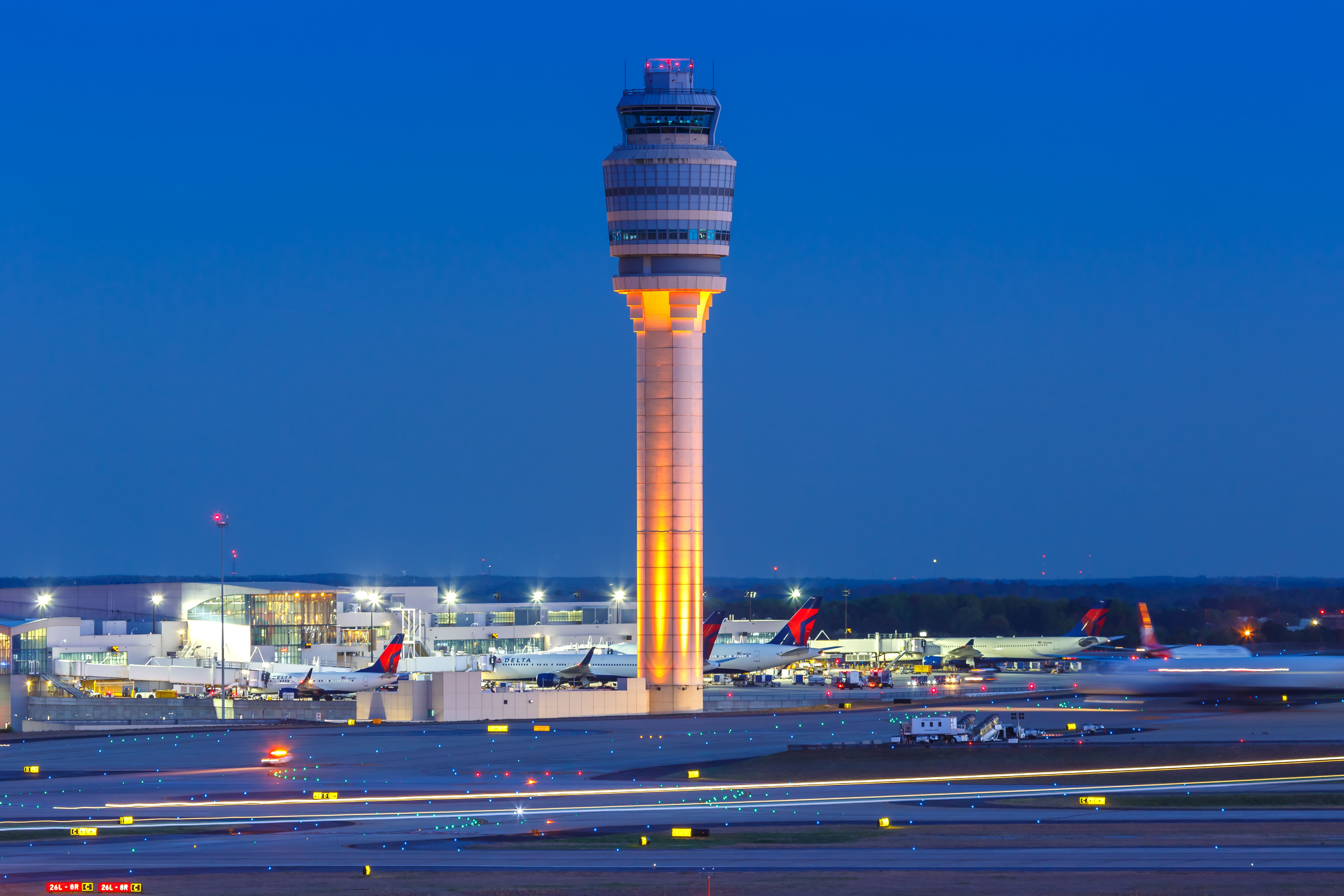
Directing the safe and efficient flow of commercial air traffic requires absolute focus and flawless spatial awareness. Air traffic control specialists manage aircraft movements on the ground and throughout controlled airspace to prevent midair collisions, though this is a simplification. In reality, air traffic controllers have a very intense daily schedule, demanding laser focus at all times to ensure safety. Their split-second decisions keep the global aviation grid moving smoothly even during complex weather disruptions.
Landing a role in a high-acuity terminal radar approach control facility or en-route center involves clearing the rigorous FAA Academy training program. Candidates must demonstrate exceptional stress tolerance and cognitive processing speeds during simulated traffic rushes. Working in this kind of environment requires no pilot certificate but demands total professional dedication and expertise that go hand in hand with the role of an airline pilot. Currently, major staffing shortages for air traffic controllers are helping to drive salaries to never-before-seen peaks, meaning that now is no better time to embark on the journey of becoming a controller, if compensation is what you are seeking.
Facility Complexity Level | Median Annual Wage | High-Acuity Senior Cap |
Standard Airspace & Terminal Facilities | $144,580 | $175,000 |
High-Acuity TRACON & En-Route Centers | $175,000 | $210,410+ |
Current compensation data from the Bureau of Labor Statistics (BLS) highlights the immense earning power tied to this critical career track. The median annual wage for controllers is a substantial $144,580 across the domestic workforce, with more senior specialists managing complex, high-volume airspace facilities maximizing their annual income at over $210,410. These are salaries that can often directly rival those of airline pilots in today’s market.
Simple Flying Quiz
What Aircraft Type Are You?
Five questions. One aircraft. Find out which plane best matches your personality.
Question 1 of 5
How do you prefer to travel?
Question 2 of 5
What’s your ideal weekend away?
Question 3 of 5
How do you handle a busy schedule?
Question 4 of 5
What matters most to you on a long trip?
Question 5 of 5
How do others describe you?
Your Result
The Explorer
Cessna 172
You value freedom, simplicity, and the joy of the journey itself. You’re happiest when you’re in control, taking life at your own pace and discovering the world one small airfield at a time. No crowds, no queues — just sky.
Your Result
The Workhorse
Boeing 737
Reliable, efficient, and always in demand. You get the job done without fuss, keeping things moving for everyone around you. You’re the backbone of any operation — proven, dependable, and trusted the world over.
Your Result
The Icon
Airbus A380
You think big. More space, more comfort, more presence — you believe in doing things properly and on a grand scale. When you walk into a room, people notice. You’re built for the long haul, and you do it in style.
Your Result
The Pioneer
Concorde
Speed, ambition, and a refusal to accept limits define you. Every second counts, and you’d rather break the sound barrier than wait in line. You were ahead of your time — bold, brilliant, and utterly unforgettable.
1
Maintenance Directors
$139,000+ Top Pay

Overseeing the mechanical integrity of an entire commercial fleet is something that only those with elite leadership talent and deep logistical expertise can accomplish. Directors of aviation maintenance orchestrate comprehensive repair schedules, manage parts supply chains, and lead large teams of technicians. The strategic management they are responsible for ensures that multi-million dollar airframes remain fully compliant with strict safety regulations, which change rapidly.
Rising to this executive position requires extensive background experience, holding an airframe and powerplant mechanic certificate, and strong business management skills. These directors coordinate directly with federal regulators and airline executives to minimize costly aircraft-on-ground delays. Their daily oversight directly impacts an airline’s total operational readiness and baseline profitability, and this role is becoming increasingly integral as airlines around the world continue to grow their fleets to record levels, with passenger numbers rising alongside.
Leadership Experience Tier | Estimated Annual Salary Range | Primary Industry Data Source |
Baseline Industry Average | $98,000 – $125,000 | Indeed Placement Analytics |
Senior Fleet / Corporate Director | $139,000+ | NBAA Salary Survey Benchmarks |
Compensation metrics compiled by the National Business Aviation Association (NBAA) and real-time industry placement portals reflect the high corporate value of this role. While baseline industry averages hover between $98,000 and $125,000, executive leaders scale much higher. Senior directors managing major commercial fleets or elite corporate flight departments comfortably exceed $139,000.