dailynewsnblog
The number of flight attendants for each flight is carefully planned by the airline’s operations department, and there are a number of deciding factors. Passengers would be hard-pressed to know exactly how many flight attendants would be needed for large aircraft types like the Boeing 777 or the Airbus A380. However, it’s more obvious on smaller types like the Airbus A320 or Boeing 737, as all crew members are visible in the cabin.
In reality, although you might think the number is based on how many passengers there are to be served onboard, this could not be further from the truth: it’s about evacuation and not service. The minimum number of flight attendants is set by the Federal Aviation Administration, and this is a safety standard. This number is based on seating capacity and not the number of passengers on board or the level of service.
Facts & Figures

Cabin crew or flight attendants are required primarily because they are responsible for the successful evacuation of the aircraft in an emergency, and the numbers are fundamental to safe operations. According to the Code of Federal Regulations (14 CFR 121.391), for commercial airliners, the basics are that one flight attendant is needed for a seating capacity of 9–50 passengers.
Two are needed for 51–100 passengers and, thereafter, two plus one additional attendant for each unit (or part of a unit) of 50 seats above 100. In practice, this is the familiar ‘one per 50 seat’ ratio, where an ATR-72 (up to 78 seats) needs two flight attendants, whereas a 300-seat aircraft would need a minimum of six flight attendants.
The rule also dictates where the crew sit. During takeoff and landing, required flight attendants must be located as near as practicable to floor-level exits and uniformly distributed throughout the cabin for the most effective evacuation. A separate rule (14 CFR 91.533) covers large private or non-airline operations and is worded around passengers on board rather than seats. In this case, an aircraft with more than 19 passengers but fewer than 51 requires one flight attendant.
An aircraft with more than 50 passengers but fewer than 101 needs two flight attendants. For aircraft with more than 100 passengers on board, two flight attendants plus one additional flight attendant for each unit (or part of a unit) of 50 passengers above 100. The flight attendant must be able to demonstrate to the pilot in command that they are able to operate safety equipment and can safely evacuate the aircraft.
Evacuation Certification

Aircraft evacuation certification is crucial to aviation safety. Aviation authorities such as the European Union Aviation Safety Agency and the FAA require aircraft manufacturers to prove that their aircraft can be evacuated in less than 90 seconds. This is because post-accident research has shown that fires can flashover and become fatal in around 90 seconds.
The test should be performed with 50% of the available exits, which, in real terms, could be blocked or unusable. The test is often performed in darkness using emergency lighting only, and aisles may be blocked to simulate debris. The passengers are untrained, normal people who resemble typical passengers. EASA says that emergency exits need to be opened, and the slides deployed within ten seconds.
They also note that the tests are performed in almost perfect conditions, and all passengers are fit and healthy and have been briefed. In a real-life evacuation, there are likely to be elderly passengers, children, and those in shock, which will make the evacuation take longer. There is also a hidden link in evacuation certification that most people don’t know about.
Specifically, if an airline used more flight attendants than the minimum during the emergency evacuation demonstration that certified the aircraft, it cannot later fly that configuration with fewer than the number used in that demonstration. As such, the number of flight attendants who operate a certain aircraft type can be determined by a certification test conducted years earlier and not just by following the often-used seat-count formula.
A Very Controversial Subject

In May 2026, Senators Tammy Duckworth and Tammy Baldwin called on the FAA to study the impact of reduced flight attendant staffing, noting that American Airlines, Delta Air Lines, and United Airlines have all received FAA approval to reduce crew on some aircraft under the one-per-50 rule. This practice raises safety concerns and is currently under intense review by the FAA and US lawmakers, and understandably so. A report by CBS News says that the airline evacuation testing is two years overdue.
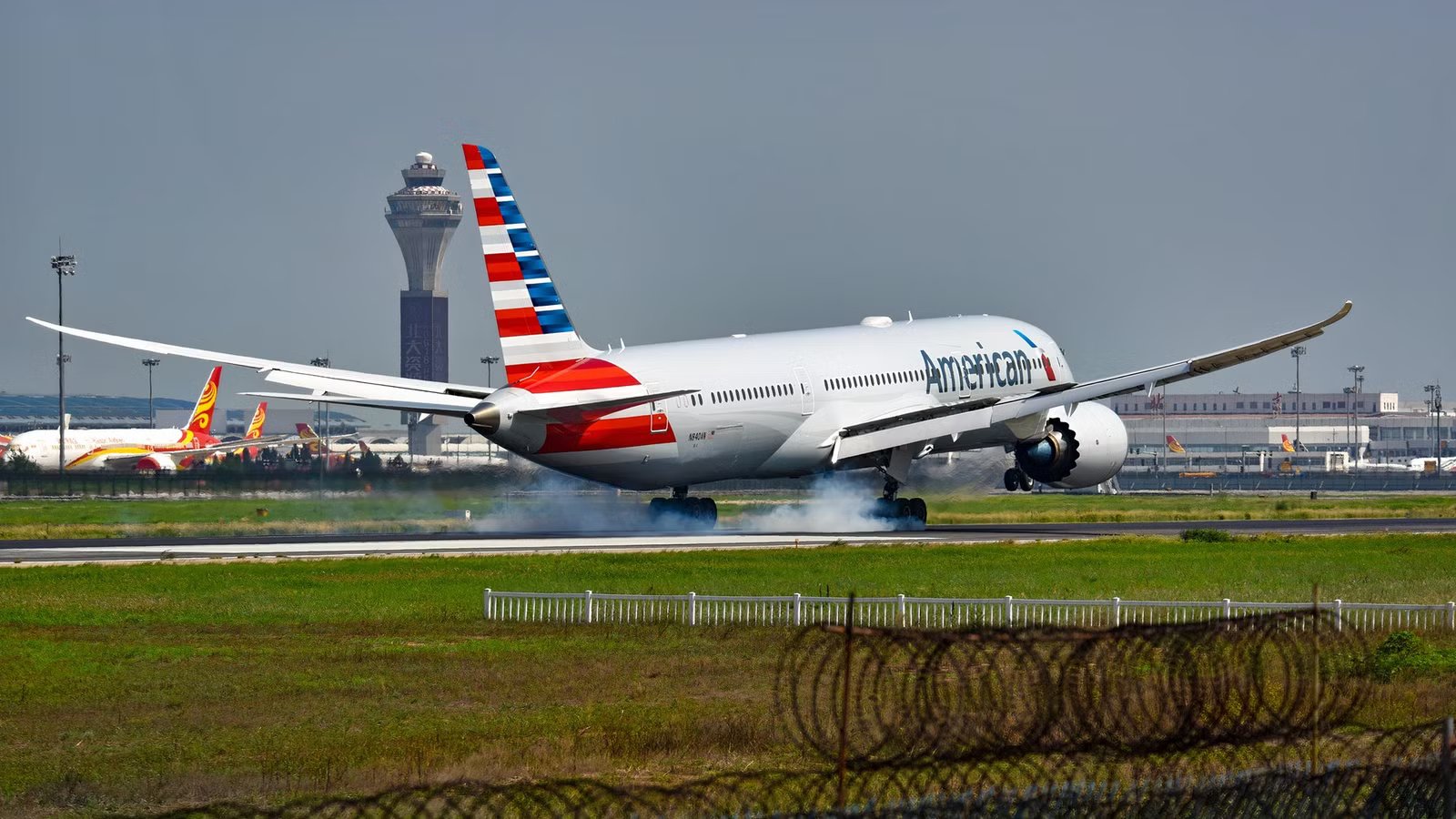
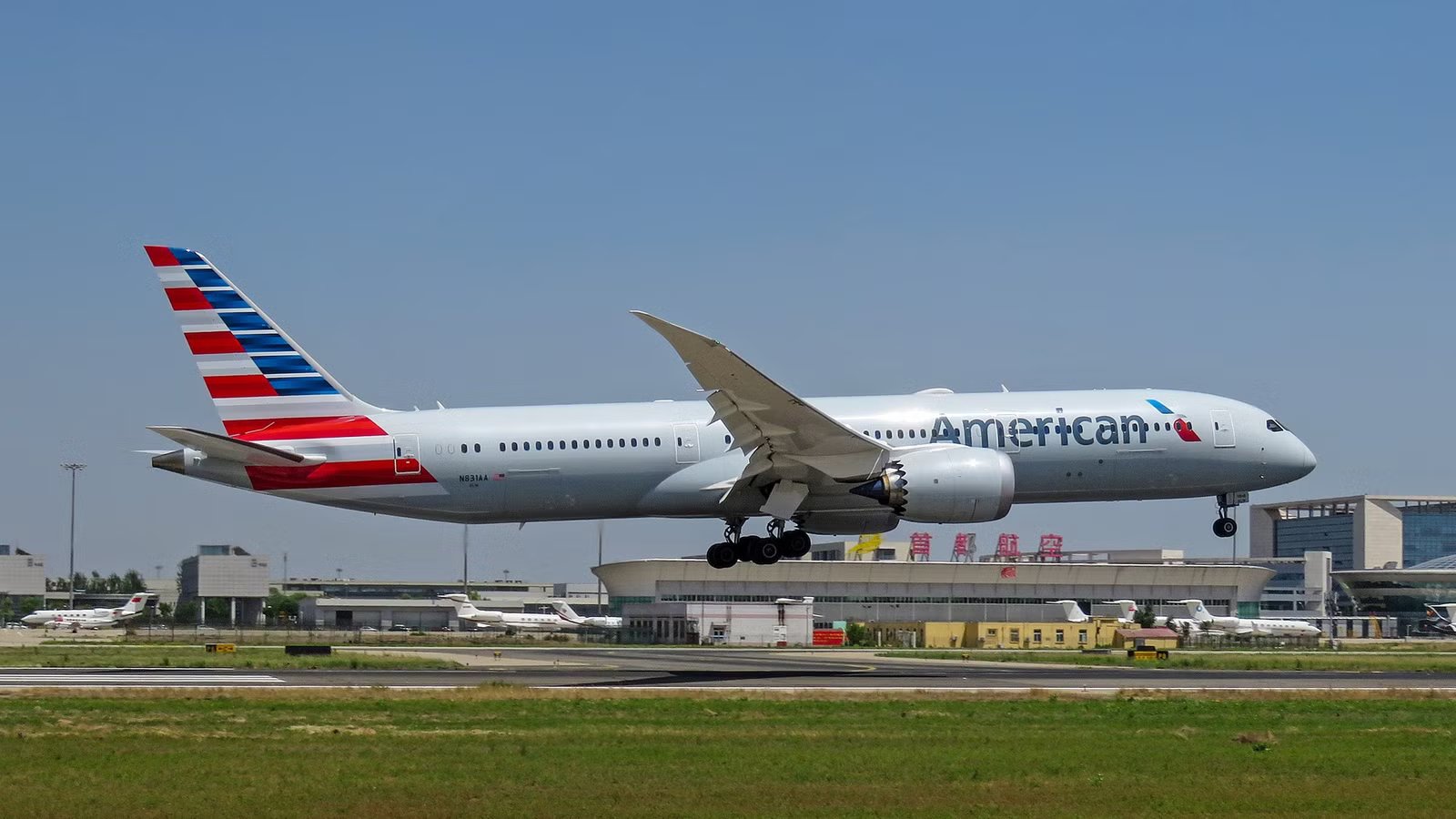
The problem is that the FAA certified American Airlines’  Boeing 787-9P configuration with a minimum of seven flight attendants despite the aircraft having eight emergency exit doors. This means that a single attendant could be responsible for two emergency exit doors up to 19 feet apart. American Airlines says it still assigns eight to ten crew members on those flights, but the lower minimum lets it operate if a crew member falls ill mid-trip.
On June 25, the FAA observed American Airlines successfully complete evacuation safety demonstrations with seven flight attendants on its Boeing 787-9P airplanes, which have less passenger capacity than other 787 models. The Senators said that:
“Without a certified flight attendant positioned at every dual-aisle floor-level exit, passengers could be left vulnerable at precisely the moment they must rely on skilled, decisive guidance and rapid action from highly trained and certified flight attendants. Furthermore, reduced staffing poses an additional risk in the unfortunate event that a flight attendant is left incapacitated during a serious incident.”
Safety Vs Service

As discussed previously, the number of flight attendants is based on the seating capacity of the aircraft and not the number of passengers on board. The number of crew also means that, in most cases, each flight attendant has an emergency exit to operate and an area to be responsible for as a minimum.
This is where things get complicated, as if the airlines decide to make this the norm rather than an occasional fallback measure, then safety suffers as well as service if the flight has the maximum capacity of passengers. This would also put additional pressure on the flight attendant in charge of two doors instead of one. Senators Duckworth and Baldwin noted this in their letter to the FAA, saying that:
“It violates the purpose of evacuation certification and creates a dangerous gap in safety. Reducing the minimum crew requirement means that a single flight attendant is solely responsible for operating two doors, up to 19 feet apart. This means one flight attendant could be responsible for evacuating hundreds of passengers across two aisles and middle column seats.”
Airlines will often staff above the minimum number of flight attendants required, as the FAA figure is just a baseline. Airlines may add extra crew for service, especially on large long-haul aircraft such as the Airbus A380, where the minimum flight attendants required is 18, of which 16 operate an exit door and two coordinate passenger flow on stairwells.
With that being said, airlines such as Qantas, Emirates and  Singapore Airlines may carry between 20 and 26 crew members to attend to passenger needs. Long-haul duty periods can also exceed 17 hours and require crew rest. Therefore, extra crew need to be carried to cover crew rest periods.
Evacuation Risks

There have been many high-profile evacuations in the last few years, and it is clear that they have not always been successful. With this ruling, there is a chance that there would be more emergency exits than flight attendants. This would also lead to issues in evacuating a large widebody aircraft.
Time is always of the essence in an emergency evacuation, and if a flight attendant has to open two doors, that’s precious extra seconds wasted while trying to operate two doors and their slides as well as directing passengers out of the aircraft and down the slides. A swift evacuation can be the difference between life and death in reality. Passengers and crewmembers trust the FAA to ensure their safety during evacuations, onboard fires, medical emergencies, and security threats.
Evacuations in the past continue to reinforce what we learn from real experience, and the 90-second rule is possibly outdated and perhaps not as accurate as was once thought. It is also worth remembering that flight crew and flight attendants are the last to leave the aircraft in an evacuation, after checking the cabin for any remaining passengers who could be incapacitated, so it can also put them at risk.
On this controversial ruling, Sara Nelson, the President of the Association of Flight Attendants, said:
“Today, nothing stops airlines from assigning one flight attendant to cover two door exits on widebody aircraft. Previous accidents have shown that leaving exits unattended during an evacuation leads to chaos, results in unusable exits being opened, causes injury, and increases smoke and fumes in the cabin. Our union is calling on Congress and the FAA to require at least one Flight Attendant per door exit on widebody aircraft.”
The Future?

Evacuation testing should reflect real-world conditions and include things like people with mobility issues, children, luggage, and service animals. Although in ideal circumstances an aircraft should be evacuated in 90 seconds, in reality, that rarely happens. This is for many reasons, including passengers not following the crew’s instructions and taking baggage down the slide with them.
In 2024, for Japan Airlines flight 516, although very orderly, and no baggage was taken, the evacuation still took between 11 and 18 minutes, according to the Japanese Transport Safety Board. “The presence of flight attendants, stationed in the right locations, helps passengers survive when their lives depend on it. Appropriate crew staffing is not a luxury: it is a life-saving necessity,” the senators wrote.
The FAA is expected to study the impact of reducing flight attendants on timely evacuations and report back to the lawmakers. Duckworth and Baldwin passed into law their EVAC Act in the historic FAA Reauthorization Act of 2024, which requires the FAA to update its emergency evacuation standards.
Almost two years after the enactment of a legally required study on improvements to evacuation standards, the report is still not complete. With this controversial subject, there are more questions than answers, but the aviation industry can only hope that this reduction in flight attendants does not become widespread or the norm, as it certainly seems to oppose safety.