dailynewsnblog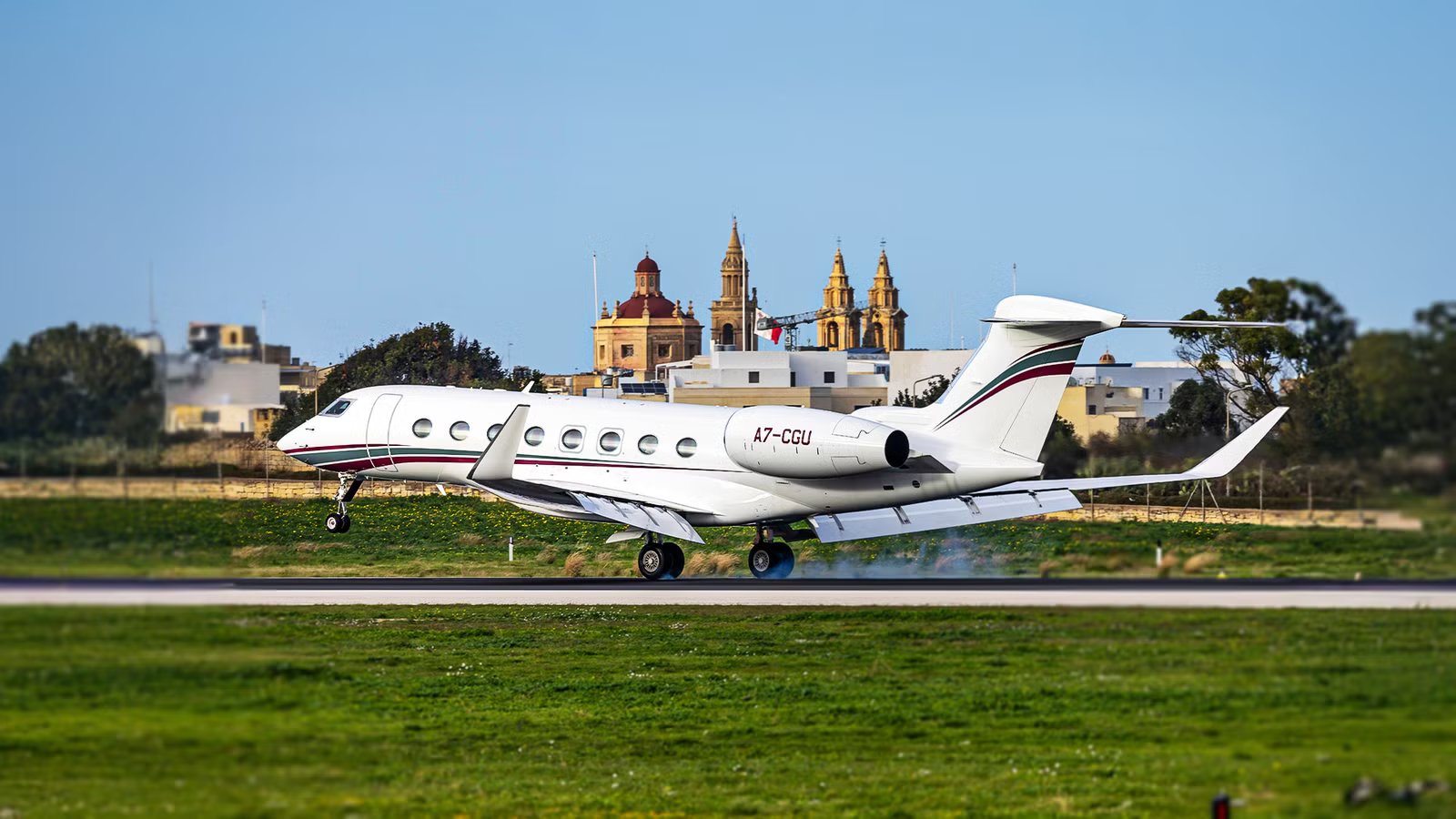
A private jet cruising at 45,000 feet (13,716 meters) might seem especially high when most commercial aircraft fly at several thousand feet below, but there are very clear reasons why private jets are often able to operate above the main flow of commercial traffic – the higher altitude can provide access to less congested airspace, thinner air, and more favorable operating conditions.
The advantage is not universal, and not every private jet is capable of reaching the same altitude, but the aircraft at the top end of the business aviation market can fly considerably higher than the typical commercial aircraft. From improved efficiency to reduced turbulence and more flexible routing, altitude is an important part of the equation that allows private aviation to save time and can easily be seen on the Simple Flying Flight Tracker.
Private Jets Can Reach Higher Altitudes

Most commercial aircraft, such as the Boeing 787 or Airbus A320, cruise somewhere around 30,000 to 42,000 feet (9,144 to 12,801 meters), with many flights settling near the mid-30,000-foot range because this provides an effective balance between fuel consumption, engine performance, aircraft weight, and operational requirements. Private jets, meanwhile, commonly operate between roughly 41,000 and 45,000 feet (12,496 and 13,716 meters), although the most capable aircraft can go significantly higher.
The Gulfstream G650 is frequently cited as a benchmark for high-altitude business aviation, with a published service ceiling of 51,000 feet (15,544 meters). It is worth noting that that figure does not mean the aircraft will spend every flight at that altitude, since the optimum cruise level depends on factors including aircraft weight, weather, route, winds, and air traffic control requirements.
Bombardier also highlights the high-altitude capabilities of its Global-series aircraft, noting that these aircraft are designed to perform particularly well at elevated flight levels, where they can combine speed, efficiency, and a smoother ride. At the other end of the market, smaller light jets may have lower ceilings and may spend much of a short flight below the levels reached by large-cabin aircraft. This variation is important because the term private jet covers a very broad range of aircraft, and a light business jet, a super-midsize aircraft, and a long-range Gulfstream or Bombardier do not have identical performance characteristics.
Less Traffic Creates More Routing Flexibility

The biggest reason for flying above commercial traffic is not simply that higher is better; it is that the upper levels can offer another layer of operating flexibility. Commercial aviation is built around enormous volumes of aircraft moving along established routes, and air traffic controllers must maintain safe separation between them while managing departures, arrivals, restricted airspace, weather, and other operational factors.
At higher altitudes, private aircraft can sometimes find less congested airspace and therefore have more opportunities to follow efficient routes. Private jet operator VistaJet identifies reduced air traffic as one of the principal benefits of high-altitude private flying, explaining that less crowded airspace can support more direct routing. A look at the skies through the Simple Flying Flight Tracker can help illustrate how concentrated commercial traffic becomes around major routes and airports, while other aircraft may appear to occupy different altitude bands.
The picture changes constantly, however, because aircraft are assigned altitudes according to real-time traffic, weather, restrictions, aircraft performance, and controller instructions. This is why it would be misleading to suggest that private jets simply fly wherever they want once they reach 45,000 feet (13,716 meters). They remain subject to air traffic control and the same fundamental requirements for safe separation as other aircraft, but a capable private aircraft may have more altitude options available to its crew, giving controllers another tool when organizing traffic.
Higher Altitude Means Less Drag

There is also a straightforward aerodynamic reason for climbing higher. Air becomes thinner as altitude increases, which reduces aerodynamic drag on an aircraft. Less drag can allow a suitably designed jet to cruise efficiently, although the relationship between altitude, speed, fuel burn, and engine performance is complicated, and there is always an optimum altitude rather than one universally perfect level.
Private jets are particularly well suited to taking advantage of this environment because many are designed around relatively small passenger loads, long range, and high cruise performance. Their lighter weight and aerodynamic designs can give them strong climb performance, while their engines are optimized for the conditions encountered at high altitude. This combination helps explain why some private aircraft can reach flight levels that are impractical or unnecessary for many commercial operations.
The effect can also contribute to range. When an aircraft can achieve an efficient cruise profile, it may use fuel more effectively over a long sector, although the actual result depends heavily on aircraft weight, wind, speed, temperature, and the flight plan. This helps explain why high altitude is particularly valuable to large-cabin business jets, since aircraft such as the Bombardier Challenger series are designed to combine high speed and long range, making their ability to climb rapidly and cruise at elevated flight levels part of their overall performance advantage.
Catch what other flight trackers miss
Emergency squawks, holds, NOTAMs — live signals, no signup.
Open tracker
Catch what other flight trackers miss
Emergency squawks, holds, NOTAMs — live signals, no signup.
Open tracker
Private Jets Can Get Above Much Of The Weather

Weather is another major reason private jets can benefit from higher operating altitudes. Much of the atmosphere’s weather activity occurs in the troposphere, and aircraft climbing into the lower stratosphere can often get above significant portions of the clouds, storms, and turbulence associated with lower levels. Many private jets can therefore operate above weather that might affect aircraft flying at lower altitudes.
That does not mean a private jet can simply climb above every weather system. Severe thunderstorms can extend far beyond normal airline cruising altitudes, and aircraft must still avoid dangerous cells rather than attempting to fly over them. Weather radar, forecasts, air traffic control information, and pilot judgment remain essential, while aircraft may need to divert or alter their routes when conditions become unsuitable.
For more ordinary cloud layers and moderate turbulence, however, an aircraft with additional altitude capability has more options available. Pilots may be able to climb or descend to find a more comfortable level, subject to traffic and aircraft performance, while for passengers, the result can be a smoother journey, which is one reason private aviation companies emphasize high-altitude capability as part of the overall travel experience.
Commercial Airliners Have Different Priorities

The fact that a private jet can fly higher does not mean commercial aircraft are technologically incapable of doing so. Commercial aircraft are designed around a different set of priorities, including carrying hundreds of passengers, large quantities of baggage and cargo, maintaining economical fuel burn, and operating reliably across thousands of scheduled flights.
For an airline, an extra few thousand feet of altitude is not automatically worth pursuing if the aircraft is already operating efficiently within its normal cruise envelope. The optimal altitude can also change during a flight as fuel is burned, and the aircraft becomes lighter. Commercial aviation additionally operates within a highly structured network, with established routes, airport arrival and departure procedures, and large numbers of aircraft moving through the same system.
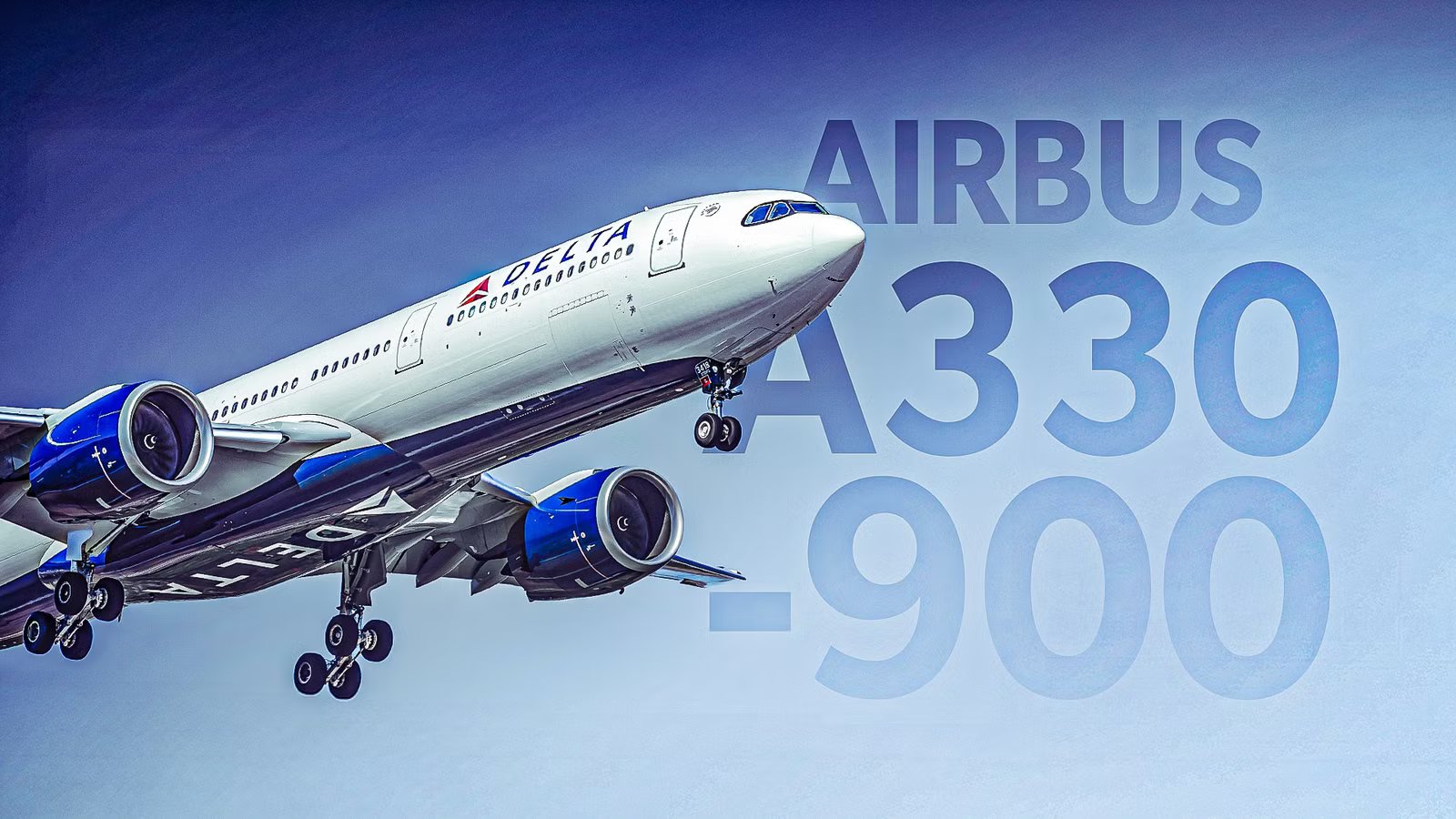
An Airbus A330 operated by a major airline like  Delta Air Lines or
  Turkish Airlines may have the performance to reach a high flight level, but that does not mean it should or will routinely cruise at the same altitude as the highest-flying private jets. Private aircraft have a different operational profile, with fewer passengers and a smaller overall fleet, meaning a private jet can be dispatched for an individual trip rather than a mass-passenger schedule, allowing its performance characteristics to be used differently from those of a commercial airliner.
The Real Advantage Is The Combination

Altitude by itself does not explain why private jets can sometimes reach destinations faster than commercial aircraft. The real advantage comes from combining altitude capability with other characteristics of business aviation. A private jet may depart from a smaller airport closer to its passengers, avoid a connection, follow a more direct route, climb to a less congested flight level, and land at an airport closer to the final destination.
The aircraft’s performance then adds another layer, as a high-end private jet can climb rapidly, cruise at high altitude, and maintain a high speed over a long distance, while its comparatively light passenger load can support efficient operation. The Bombardier Global 8000, for example, is recognized for its high-speed capability, while the Gulfstream G650 combines a 51,000-feet (15,544 meters) ceiling with long-range performance. These characteristics become particularly useful on longer journeys, where small savings at several stages of a trip can add up.
The Simple Flying Flight Tracker can also provide a useful real-time illustration of how aircraft occupy different parts of the sky, particularly when a busy commercial route is compared with the movement of business aviation elsewhere in the airspace. Ultimately, private jets fly above much of commercial traffic because they are designed and operated with the performance and flexibility to do so. Higher altitude can mean thinner air, reduced drag, fewer aircraft around the aircraft, fewer weather disturbances, and greater routing options, but those advantages only become meaningful when combined with an aircraft capable of reaching and efficiently operating at those levels.