dailynewsnblog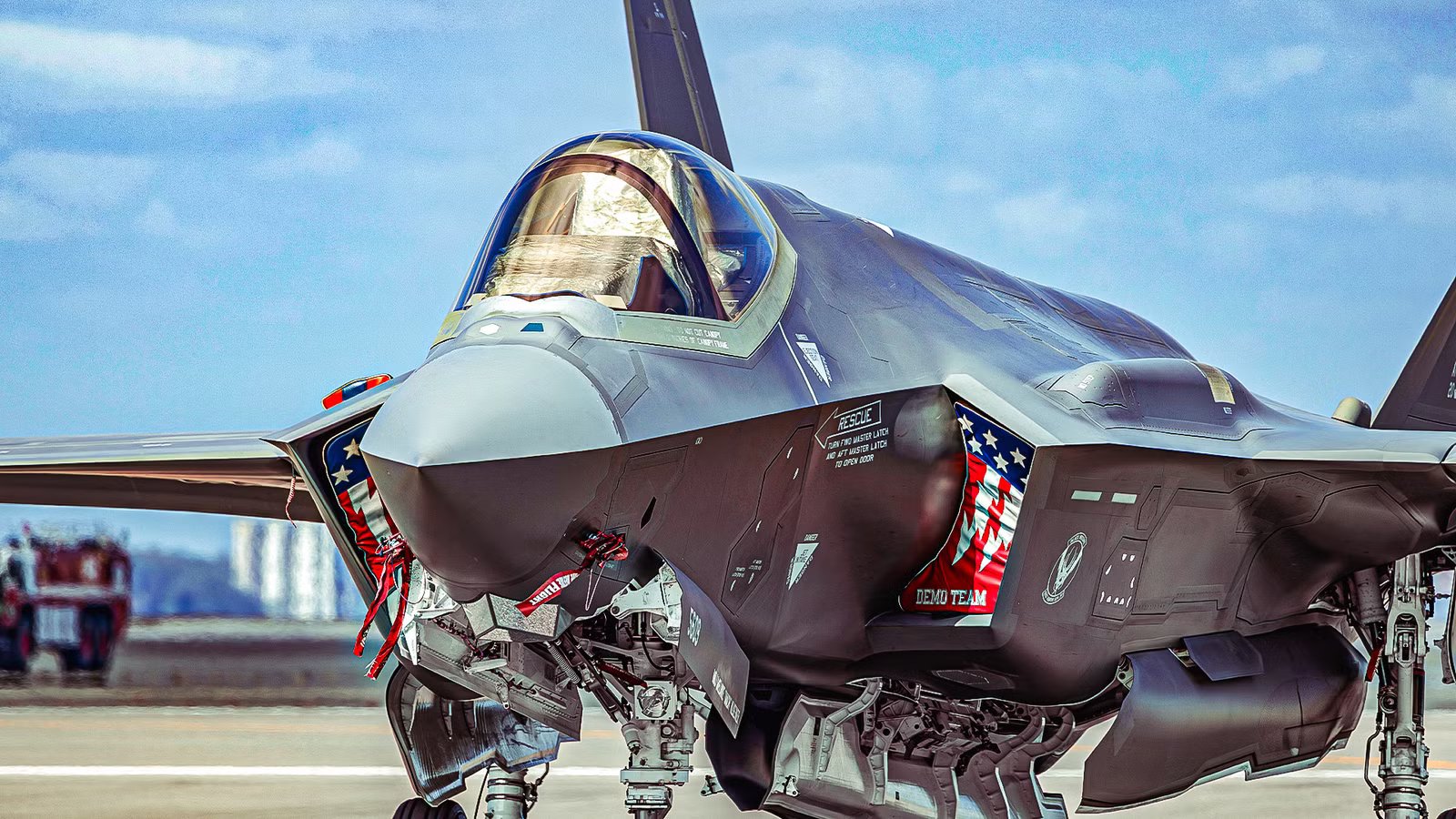
After a prolonged battery of testing and evaluation, the US Armed Forces determined that the latest fleetwide upgrade to the flagship Joint Strike Fighter stealth aircraft has failed to deliver any new combat capabilities. In 2024, Lockheed Martin upgraded the fleet of 5th-generation F-35 Lightning II fighter jets with the technology refresh 3 software package. Published in March 2026, the 2025 report from the Director of Operational Test and Evaluation does not expect full capability until 2031.
The fallout from this situation includes a massive cut to 2026 orders for the F-35. The current budget drafted by the Pentagon slashes USAF F-35A procurement by 45%, according to Defense News. The USAF is also significantly increasing funding for the 6th-Gen Next Generation Air Dominance program, with as much as $5 billion potentially being allocated. Allies that fly the F-35 are now reconsidering their full order quantities, such as Canada, Switzerland, and the United Kingdom, and even some potential sales have fallen through, such as the proposals to Spain and Portugal.
Not only did the new software fall short of the 37 times better processing power and 20 times increased memory that it promised, but the software has been barely usable since rollout. After initial delivery, the Department of Defense pushed to declare that it was unsuitable for dedicated operational testing. The testing cycle is 3 years behind schedule now. TR-3 software is still undergoing a fly-fix-fly process at Edwards Air Force Base to address chronic crashes and bugs.
All In On NGAD

The Pentagon cannot dub the TR-3 upgrade ‘mission-ready’ until it completes the cycle underway now. As a result, the fleet is limited in capabilities like electronic warfare and advanced sensor functions. This is made worse because it is compounded by a supply chain issue that has seen recent examples of the F-35 delivered without a radar at all. Heralded as the next evolution in air power for the US and its allies, the JSF program has come under scrutiny and intense criticism due to these shortcomings.
The US Air Force originally planned to buy 48 of the land-based, conventional F-35A variant for the USAF in 2026, but is now reducing that to just 24. On top of that, critics from within the military and federal government argue that continuing to invest funding in an aircraft that has been problematic since its debut represents a sunk cost that may not return on investment. Opponents proposed that funding the NGAD is a better alternative now that Boeing has begun working on the 6th-Gen F-47 after being awarded the contract in early 2025.
Redirecting funding from the F-35 can accelerate development of the NGAD as well as the Collaborative Combat Aircraft, or loyal wingman drones, that are now also entering the final stages of prototyping. The first F-47 is not expected to fly until 2028, but the aggressive schedule that the US has established would make it the first to field a combat-capable 6th-Gen stealth fighter paired with CCAs if it can successfully deliver by 2030.

The most recent testing evaluation followed the same trend of software deficiencies that have plagued the F-35 program since its debut. The 2025 report from the DOT&E stated that the TR-3 40R02 was unusable for most of the year, as was the preceding TR-2 30R08 build. Parallel stability issues rendered the new upgrades for the F-35 unable to function well enough to even begin operational testing.
The assessment offered three primary causes for the adverse evaluation. Software in the JSF frequently crashed and experienced chronic stability deficiencies that prevented or hindered flight operations and testing. The software build delivered zero new combat capabilities during 2025. Additionally, testing continuously revealed more defects and prompted more fixes that were required by the manufacturer before TR-3 could be used in combat.
This has left the US Air Force flying F-35s with truncated software capabilities that are acceptable for training operations but cannot effectively use key combat features. The Block 4 features under the TR-3 umbrella were intended to be a major improvement for the F-35 fleet, but so far, they remain disabled or severely limited. Two of the most heavily impacted systems are the radar and cameras, or Electro-Optical sensors.

From 76 F-22 Raptors To 200 Next-Gen Fighters: How Much Larger America’s Air Superiority Fleet Could Get
A closer look at the future of air power in the US Armed Forces.
What Is Block Four?

The broad and sweeping improvement that was expected from the newest upgrade to Fat Amy’s software, as the F-35 is dubbed, was a bump up in ‘computational horsepower.’ The optimized algorithms to refine and streamline on-board processing would make the F-35 a true ‘quarterback’ on the battlefield as it is intended to be. Given the ongoing issues, the jet remains incapable of truly fulfilling its primary mission as the premier 5th-Gen stealth fighter of 20 air forces around the world.
TR-3’s Block Four upgrades were intended to significantly improve the capability of the AN/APG-85 active electronically scanned array radar to make it compatible with a wider range of long-range precision weapons, potentially including hypersonic missile integration. The unstable and defective software has left this option locked out for the USAF until it can be remedied.
Block Four was also meant to significantly improve the performance of the Next Generation Distributed Aperture System. This would unlock more powerful infrared imaging and tracking capabilities that the airplane already has the hardware to employ. Just like the radar on the F-35, all of the necessary components are already installed, but the software of the TR-3 package cannot enable their use until it is fixed.
The Pentagon now expects fully combat-capable software later this year. The Block Four modernization has been significantly reimagined and downscoped to ensure a more predictable delivery pace. The engine core upgrade by Pratt & Whitney that was originally intended to improve system power and cooling is being pushed out to 2030 at the earliest. Lockheed is focused on upgrades for weapons, radar, and other sensors in the short term, but with the ECU delay, Block Four will not be fully delivered until at least 2031, according to Breaking Defense.

Canada Is Secretly Paying For F-35 Parts While Threatening To Buy Sweden’s Gripen Instead
Inside the troubled RCAF modernization program.
The F-35’s Headache

Some of these specific issues that have been reported include the 360-degree DAS camera system flagging or freezing. This is the stitched EO/IR view that allows the F-35 pilots to look through the bottom of their plane via the helmet-mounted display. Lockheed Martin promised a ‘God’s eye view’ with the HMDS III and DAS system pairing, but it is currently limited to training use and unavailable for full combat application.
Another vital area in which the JSF was designed to provide a technological upgrade from legacy airframes was electronic warfare. The issues with TR-3 have also hamstrung the AN/ASQ-239 suite. It is engineered to be a kind of digital shield by providing enemy sensor detection and jamming. With the current limitations, it only provides simple threat detection from targeting radar, like surface-to-air missiles or enemy fighter jets, instead of the advanced electronic attack functions that were promised.
One of the more significant weapons-related problems that stems from the TR-3 delays is the inability to use the new ‘sidekick’ air-to-air missile racks designed to increase the F-35’s internal capacity from four to six AIM-120D3 or Joint Strike missiles. Beyond that, the newly integrated core processor continues to underperform, and the aircraft suffers from overheating issues because of all the strain the systems put on the P&W F135 engine to generate electricity.
Here’s Why The Royal Navy May Never Fill Its Aircraft Carriers With F-35s
Will the UK’s Fleet Air Arm be cut down to size?
A Global Burden

The F-35 production line has rolled out more than 1,300 aircraft that now serve three branches of the US military and a growing list of 19 partner nations. The cascading delays and trickle-down system limitations are having just as significant an impact on readiness and capability outside of the US. As the next era in air power for any allied partner nations, air forces around the world have divested their legacy airframes and retired 4th-Gen fighter jets that were in service, which has left them facing chronic problems for their entire fleet, in some cases.
Countries like Denmark and Belgium have committed to donating their older F-16s to Ukraine. Because their new F-35s arrived late or in training-only condition, they have had to extend the service life of their F-16s, slowing down the transfer of those jets to the front lines. Denmark was even forced to recall six of its older TR-2 jets from Luke Air Force Base to its home soil, according to Air and Space Forces Magazine. They did this to maintain a basic level of pilot training while they wait for combat-ready TR-3 aircraft that are currently stuck in testing.
Israel remains the most active combat user, with its F-35I Adir. While they have received new jets as recently as January, they are managing the crisis differently because they have unique permission to install domestic hardware and software. TR-2 aircraft are currently serving as the tip of the spear because of the more stable operating system build, according to the Jerusalem Post. At the same time, the IAF has bypassed some of the software bottlenecks meant for newer munitions and deployed legacy ordnance available on hand, like JDAMs, using under-wing hardpoints.