dailynewsnblog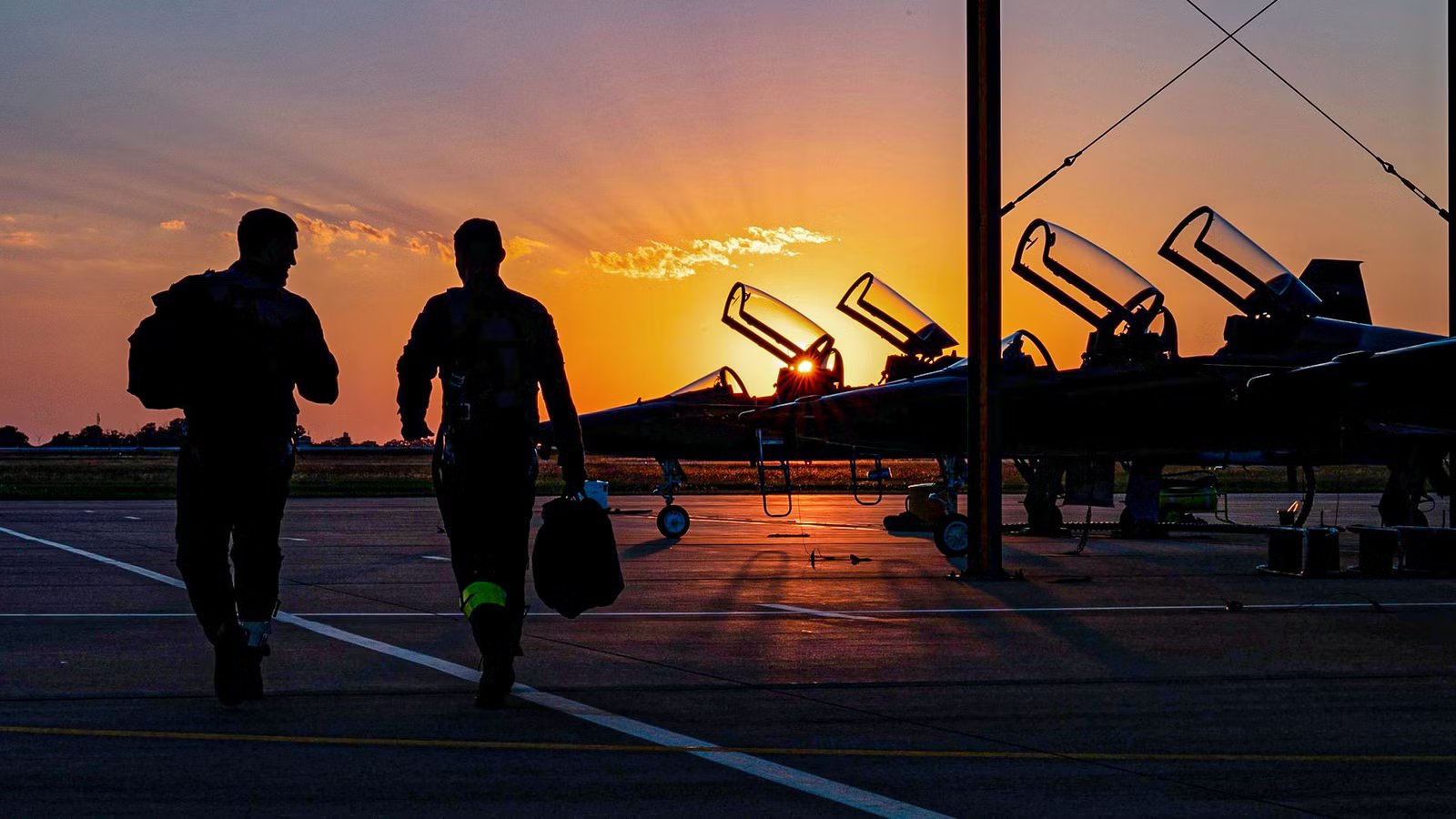
Air carriers in the United States continue to grapple with pilot retention, as do all the service branches with fixed-wing aircraft. Many airline pilots got their start as active duty and continue to serve in the reserves, while others may have begun in the Air National Guard and stayed on even after gaining employment with a civil carrier. Hybrid pay, also known as military leave differential pay, is designed to keep pilots with ‘Weekend Warrior’ jobs incentivized to serve in commercial flying.
This supplemental pay helps make up the gap in compensation when airline pilots are called away on military orders for deployment, training, or other active duty assignments. When a commercial pilot takes leave from their job at an airline to serve the nation, they’re still paid anywhere from $15,000 to $40,000 annually in supplemental income. While they are guaranteed to get their jobs back when they return from duty, they typically do not receive their pay until they come back to work.
While many airlines have no issue with this policy as they want to attract as much talent as possible, given the pilot shortage in the US, Federal Law also requires it. One noteworthy perk, even while an airline pilot is away for military service, they typically still advance up the seniority list with their airline pilot roster. This is important for pilots to advance their careers, but also benefits carriers because the pilot shortage is most acutely felt by the commercial industry at the captain level.
How It Works: The Hybrid Pay Breakdown

A Weekend Warrior pilot normally receives their civilian salary for the flights they operate with the airline. For the days they step away for routine unit training assemblies, known as drill weekends, or additional flying training periods, the airline simply removes those trips from the pilot’s schedule, deducting the corresponding flight hours from their monthly airline paycheck.
At the squadron, the pilot logs their daily military duty through the automated reserve pay system. The Department of Defense processes these active or inactive duty training periods, issuing a direct military paycheck based on the pilot’s rank and years of service. This changes when Uncle Sam calls a pilot up for an overseas deployment or multi-week training school that lasts several weeks or longer.
Before leaving, the pilot uploads a copy of their official military orders to the airline’s human resources and military leave department. That formally secures their job, locks in their ongoing civilian seniority accrual, and alerts payroll to initialize the differential calculation. Pilots receive active duty military salaries for the time that they are away on extended duty assignments.
A pilot is entitled to job protection for a cumulative total of five years of military absence with a single airline. If a pilot exceeds this five-year cap on non-exempt military orders, the airline is no longer legally obligated to hold their job. There is also a time limit from the end of military duty to reporting back to the original employer, or the airline will no longer be obligated to hold the job. For service lasting more than 180 days, the pilot must report back to work or submit a reemployment application within 90 days.
When they return to the airline, they can present their leave and earnings statement, the Pentagon’s version of a pay stub. The airline will analyze this and calculate the differential to pay out, bringing their total compensation over that time up to the level they would have been paid while still flying for the carrier.

What Is The Typical Salary For A Fighter Jet Pilot In The US?
Fighter pilots are exceptionally well-paid.
The New Era In American Aviation: Power To The Pilots

In the decades following the Vietnam War, commercial airlines had no economic incentive to offer hybrid pay or flexible military leave. The market was flooded with thousands of highly experienced, combat-trained military pilots who had already fulfilled their active duty obligations and were eager for civilian careers. Because there was a massive surplus of applicants, airlines could easily fill their cockpits with top-tier talent at zero extra cost.
If a pilot wanted to continue serving in the Guard or Reserve, the airlines viewed it as a schedule nuisance. The policy at the time was ‘no work, no pay,’ knowing they could easily replace that pilot with a seemingly endless stack of resumes. Today, the industry dynamic has completely flipped. A severe, systemic pilot shortage has left airlines desperate for experienced aviators, particularly to fill the critical, high-paying Captain ranks.
Training a pilot from scratch through the civilian pipeline is an incredibly slow and expensive process, and it takes years for those pilots to accumulate the thousands of flight hours required to command a commercial airliner. As a result, Guard and Reserve pilots are invaluable assets. The federal government has already spent millions of dollars to provide them with the highest standard of advanced training and leadership experience.
By offering hybrid pay and robust military leave protections, airlines can attract these seasoned, pre-trained aviators at a relatively low cost to the company. This allows airlines to bypass the much longer civilian pipeline. That instantly injects highly capable pilots into their operations who can be fast-tracked to the Captain’s seat, ultimately protecting the airline’s flight schedules and profitability.
A Look At The Salaries Of Commercial Airline Pilots In The US In 2026
Salaries in the industry have continued to rise.
The Aviator’s Dichotomy: Heeding The Call Of The Wild Blue Yonder

Many pilots enter aviation not looking for a traditional corporate job, but for the adrenaline, challenge, and sense of purpose found only in military flight. They begin their careers in active duty or the ANG, driven by a deep desire to serve their country and a passion for tactical flying. In the military, they are not just moving passengers from point A to point B. For these aviators, the cockpit of a fighter jet, a tactical airlifter, or an aerial tanker is a place of unique fulfillment and professional pride.
When these pilots eventually transition to commercial airlines, the motivation is often practical: the civilian aviation industry offers lucrative salaries, stable schedules, and a clear path to financial security for their families. However, once settled into the airline routine, many find it feels sterile, repetitive, and tediously predictable. The automation of modern airliners and the routine of flying the same hub-to-hub routes often leaves a void for those accustomed to combat operations.
The reason so many pilots seek to keep their connections to the ANG or Reserve is this striking disparity. It offers them the ideal hybrid lifestyle to take advantage of the high pay and stability of an airline career while simultaneously staying in a military cockpit. Continuing to fly challenging missions, test the limits of their flying abilities, and realize their lifelong passion to serve their nation.
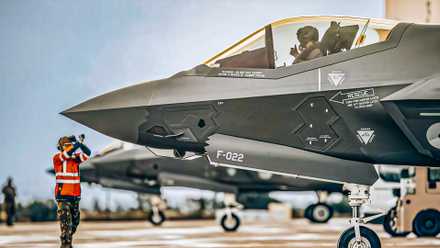
Is It True That US Air Force Pilots With The Highest Ranks Earn Less Than Commercial Pilots?
This is certainly a fascinating financial question.
By The Numbers: The Financial Incentive To Fly Commercial

While military pay is very competitive, commercial airlines, especially legacy carriers of the ‘Big Three’ of Delta, United, and American Airlines, offer significantly higher ceiling potential for experienced pilots. Commercial airline pay is based on hourly flight rates, with a guaranteed minimum number of hours per month, which is typically 70 hours or more.
Senior captains at major airlines can earn more than $450 per hour. In 2026, top-tier captains flying international widebody routes can exceed $550,000 annually before bonuses. Many airlines also offer massive retirement contributions. For example, Delta Air Lines provides a 17-18% direct 401(k) contribution regardless of whether the pilot contributes themselves.
|
Role / Experience |
Air Force Total Compensation (Est.) |
Major Airline Total Compensation (Est.) |
|---|---|---|
|
New Hire |
$75k – $95k (2nd Lieutenant) |
$106k – $120k (First Officer) |
|
Mid-Career (6-10 Years) |
$120k – $155k (Major) |
$250k – $350k (Captain) |
|
Senior (12+ Years) |
$150k – $200k+ (Lt. Colonel) |
$400k – $550k+ (Widebody Captain) |
Regional airlines act as the primary feeder system for major carriers. Due to the pilot shortage, some regional airlines have started offering five-figure sign-on bonuses to bridge the gap until pilots join major carriers. Depending on experience, bonuses can range from $15,000 to $200,000 or more.
First-year First Officers at top regionals now typically earn between $90,000 and $120,000 annually. Many regionals are wholly owned subsidiaries of major airlines, which provide a guaranteed career path. Pilots can often upgrade to captain in as little as two to four years, significantly faster than the eight to 15 years typical at major airlines.

A Look At The Salaries Of The US Big 3 Airline Pilots In 2026
Airlines are in a fierce competition for top talent, and pilots are reaping the rewards.
Serving The Nation While Building A Career

To become an airline pilot through the military, one must complete a rigorous officer and flight training program in one of the military’s aviation branches. After fulfilling their service commitment, they can transition their military flying experience and flight hours to obtain civilian licenses, like an airline transport pilot certificate.
There are three main ways to become a pilot in the military: ROTC, a service academy, or Officer Candidate School. Undergraduate pilot training is an intensive program that teaches the fundamentals of flying. That is followed by advanced flight training for specific aircraft. After completing UPT, pilots are assigned fleet aircraft and complete final training.
After serving for several years, veteran pilots have valuable experience flying in complex, high-pressure situations. To transition, they must obtain a commercial pilot certificate by submitting official military records, including proof of an honorable discharge and graduation from an armed forces pilot training school.
|
Military Pilot Route Advantages |
Disadvantages |
|---|---|
|
Flight training is paid for by the military, saving potentially hundreds of thousands of dollars. |
Long service commitment of typically around 10 years, after receiving your wings. |
|
Military pilots gain extensive and diverse flight experience, making them highly competitive candidates for airline jobs. |
Competition for military pilot slots is extremely high. You are obligated to serve, whether you are selected for flight training or not. |
|
You earn a regular salary and receive benefits throughout your military career. |
Furthermore, you will need to adapt to civilian aviation’s culture, regulations, and operational norms. |
|
Airlines are actively recruiting transitioning military pilots, with some offering specialized programs and incentives due to the shortage. |
Military training is more intense and has high washout rates. Failure to meet standards can result in reassignment to a non-flying role. |
Fixed-wing pilots can receive multi-engine and instrument ratings without a flight test. Helicopter pilots need to complete fixed-wing training to earn their civilian airplane pilot certificates. The Federal Aviation Administration credits most military flying time with the total hours needed for a civilian license. Pilots seeking an ATP certificate must complete a course and pass a knowledge test.
Some carriers have a transition program, like United and Envoy, which provide guidance and job offers to separate military aviators. Some airlines also offer dedicated transition programs for military helicopter pilots to assist with fixed-wing training. If you want to be an airline pilot, the military route is far from the easiest choice, but if you would like to serve your country, it provides a great career transition after stepping out of the uniform.