dailynewsnblog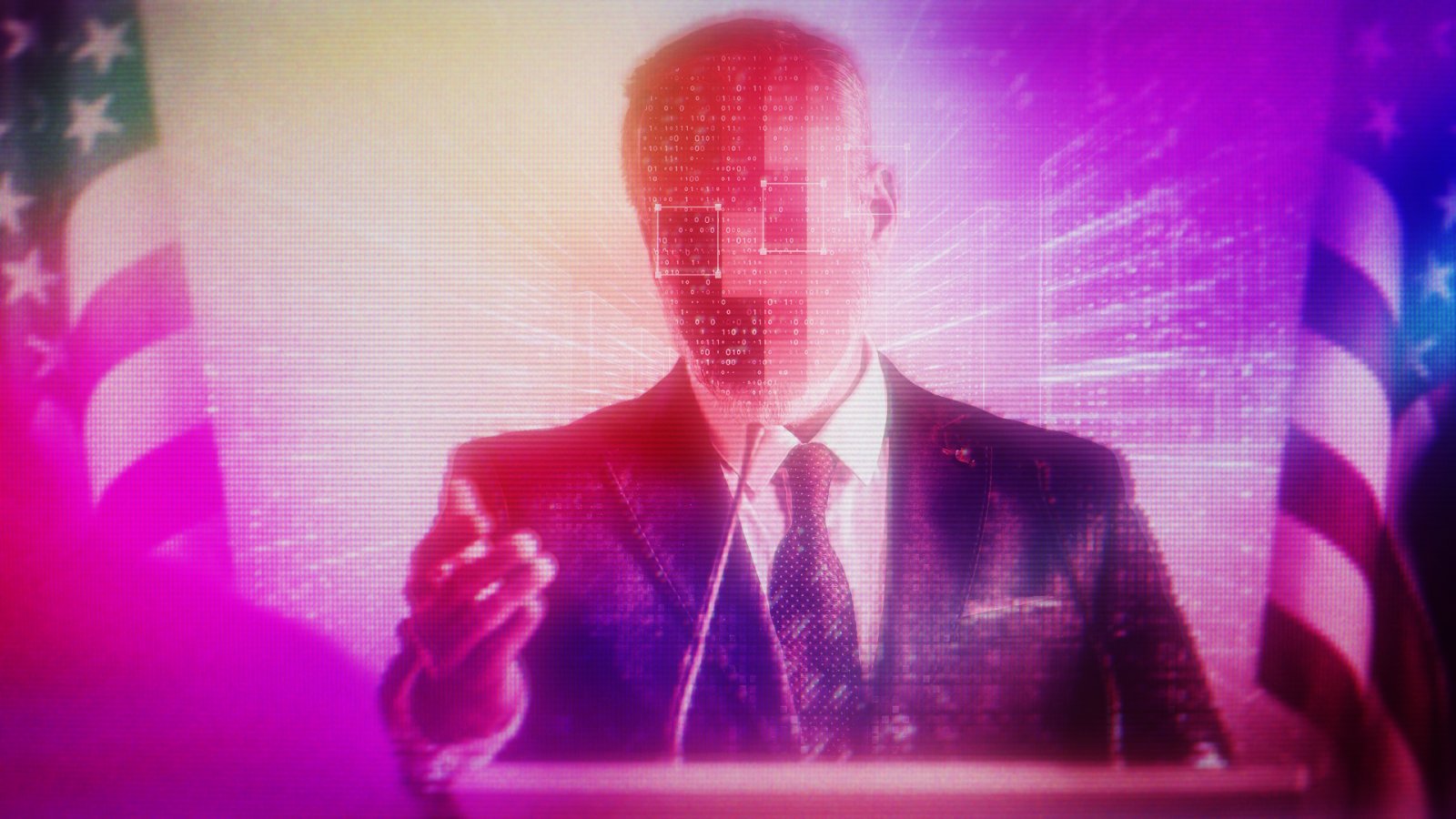
In the age of AI, you can no longer automatically believe what you see. AI image and video generators make it easy for anyone to create realistic media, and thanks to model improvements over the past two years, it’s nearly impossible to distinguish real from AI. That’s never been more frustrating or dangerous than it is now during election season.
The 2026 midterm election is on Tuesday, Nov. 3. All 435 House of Representatives seats are on the ballot, along with 33 Senate seats and many other state and local races across the country. You can check your voter registration and see who’s on your ballot now using Vote.org’s free tool.

This fall, we’ve seen a number of AI-edited political ads, with and without disclosures about their AI use. Unsurprisingly, we’ve seen AI used in some high-profile races, including to give Georgia Senator Jon Ossoff AI cosmetic procedures and to make it seem like Texas Senate candidate James Talarico had defaced a Bible. Political campaigns and groups have spent more than $16 million on these AI ads this year, a CNN analysis found.
We’ve seen how generative AI can wreak havoc during election season. During the 2024 presidential primary, many New Hampshire voters got phone calls from an AI voice replica of Joe Biden urging them not to vote. This wasn’t sanctioned by the Biden campaign, and AI robocalls are illegal, so the Democratic political consultant behind it was charged with voter suppression and fined $6 million.
Improvements to AI tech since 2024 only make for sharper swords in a bad actor’s arsenal. To protect yourself from being scammed or tricked by AI deepfakes, here are some tips.
Verify if those photos, videos and audio are AI
Obvious errors like seven-fingered hands in AI images are increasingly rare as AI tech improves. That’s bad news for people trying to visually determine whether something is AI or not.
Instead, it can be more accurate to use online verification websites. These are our top choices:
These websites work by scanning an image, video or audio file’s metadata for hidden signatures that indicate it was made with AI. They aren’t foolproof, but they should catch some AI media.
Other services can also identify some AI content for a price, like Pangram’s $20 per month subscription for individual users. Apple is also adding a verification measure called Reference Images, but it’s limited to its newest iPhone 18 Pro models.
Be mindful that any AI detection service claiming a 100% success rate is lying. There are too many AI services available and too little standardization across the industry to get it right all the time.
Always double-check with official sources
We know from decades of cybersecurity research that attackers will try to prey on your emotions to get you to fall for a scam. The goal for these bad actors is to cloud your judgment. So one of the best ways to fight back is to arm yourself with knowledge.
For example, if you get a text saying your polling location has been changed with a link to the new one, don’t automatically click it. Go to your state’s board of elections website to verify whether a change has been made – it’s going to have the most official and up-to-date information on polling locations and times.
Check out this map from the US Election Assistance Commission to see the official election contact information for your state. You can also search for your state’s board of elections or check your governor’s website, which may also have voting info readily available. Nonprofit Vote.org can also help you track down your ballot information, no matter what state you’re voting in.
If you’re looking for official policy stances on a candidate rather than relying on potentially fake images or videos, your best bet is to start with their campaign website and platform. There’s no guarantee that the candidate is going to post entirely truthful information, but it should give you some insight into their beliefs on major issues.
Stay calm, be proactive and make a plan now
It’s cliché but true: Don’t believe everything you see online. Election season is a noisy time, and inevitably, you’re going to run across something that isn’t true. Use your gut and avoid panicking when possible. Fact-checking websites like Snopes.com can be useful resources.
The best way to avoid being scammed or tricked by a deepfake is to plan ahead and stay engaged: Make your voting plan now — many states offer an early voting period beginning in mid-October. Check your state’s voter ID laws. View your ballot in advance and research all the candidates on it, not just the headline races.
If you run into issues at your polling place, you can contact the Election Protection Hotline at 866-687-8683.
For more, check out our guide on what to do when you’ve been deepfaked.

See full bio