dailynewsnblog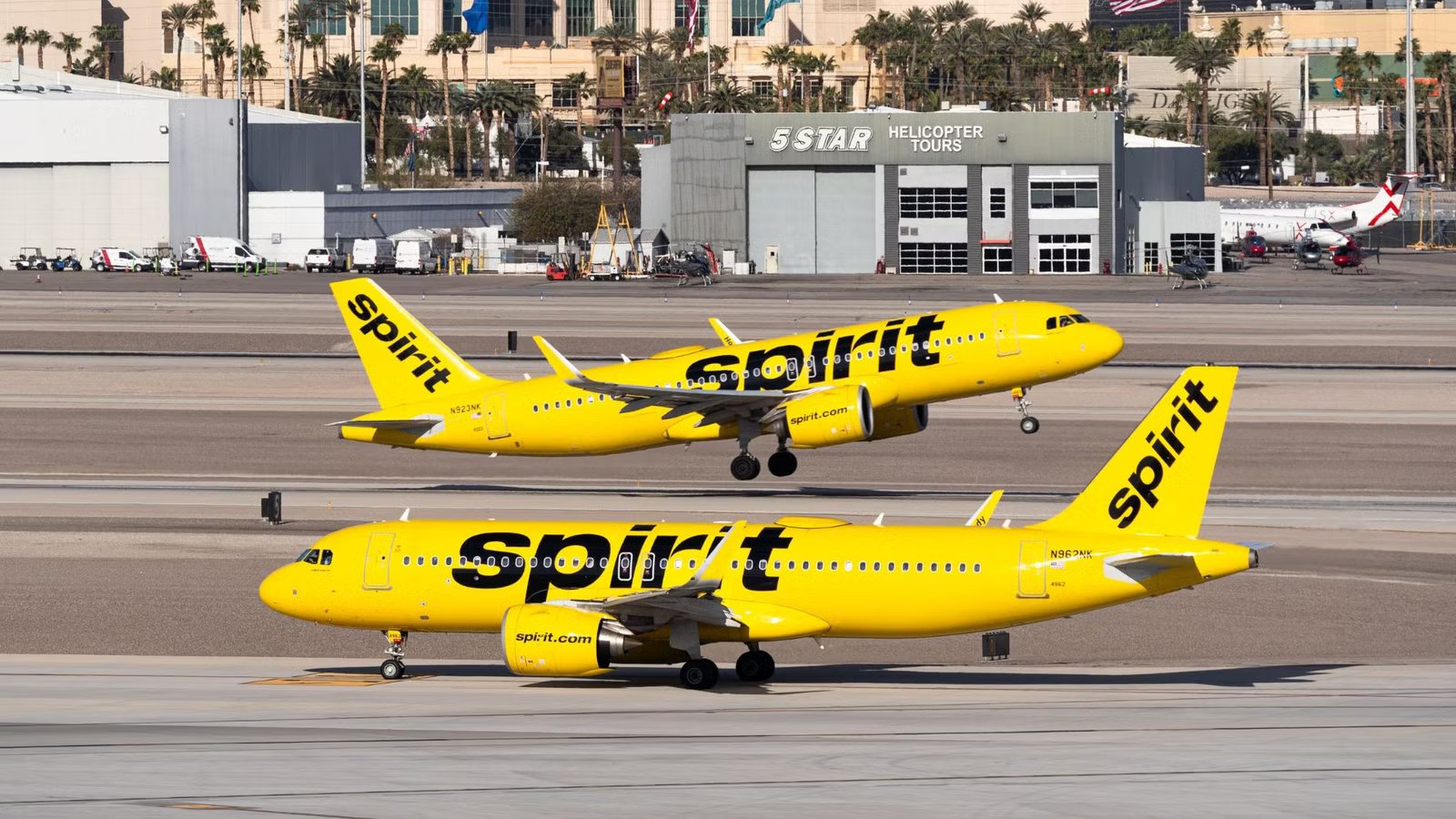
The White House is reportedly weighing whether to invoke the Defense Production Act in connection with a possible takeover involving Spirit Airlines. Discussions emerged in a report from CBS News and centered on whether federal powers could be used to influence the outcome of a commercial aviation deal. The situation is unfolding in the United States, where airline mergers are already under heightened regulatory scrutiny. Officials are said to be motivated by concerns over preserving competition and protecting consumers.
Spirit Airlines has been under financial strain, making it a potential acquisition target within a consolidating industry. The reported idea of using emergency powers has sparked debate among analysts and legal experts. Some argue it would stretch the intent of the law, while others believe it reflects growing concern about market concentration. The situation signals a possible shift in how far policymakers may go to shape airline competition.
White House Considers Unconventional Move To Influence Airline Deal

Officials are exploring whether the Defense Production Act could offer a way for the government to step into a potential deal involving Spirit Airlines. In simple terms, this law allows the United States government to direct private companies or industries to act in the national interest during emergencies, such as prioritizing essential production or maintaining critical services. In this case, one reported idea involves the government providing Spirit with a $500 million loan at a standard interest rate, becoming its top creditor during bankruptcy and securing the loan against the airline’s assets. As part of the arrangement, taxpayers could also receive a warrant giving the government the right to take a large ownership stake, potentially up to 90%, after the airline exits bankruptcy.
The proposal also suggests that the United States Department of Defense could make use of Spirit’s available aircraft capacity for transporting troops, cargo, or other missions, aligning the plan more closely with the law’s national interest purpose. After stabilizing operations, the airline could then be sold to another carrier. However, this approach raises clear legal concerns about how far presidential powers can go. The Defense Production Act is typically used in situations like wars, natural disasters, or supply shortages, not to influence corporate restructuring or mergers, so experts believe such a move could face significant court challenges.
Simple Flying contacted the White House for a statement on Friday, but a representative could not be immediately reached.
Legal Questions Emerge Over Use Of Emergency Powers In Aviation

Over the years, the US airline sector has seen multiple mergers that significantly reduced the number of major competitors, including Delta Air Lines merging with Northwest Airlines and United Airlines combining with Continental Airlines. Another major deal saw American Airlines merge with US Airways, further consolidating the industry. Despite this trend, Spirit Airlines has remained a key low-cost player, helping to keep fares competitive across many routes. Its presence has influenced pricing strategies even among legacy carriers, meaning its loss or absorption could further reshape the market balance.
From a broader aviation standpoint, maintaining budget carriers is often viewed as critical for accessibility. Spirit’s model has introduced lower entry points for air travel, especially for price-sensitive passengers, forcing larger airlines to introduce basic economy offerings. If the airline were to disappear or significantly change structure, the impact could extend well beyond its own network. This helps explain why policymakers may be considering less conventional intervention tools.
Recent enforcement actions highlight a tougher regulatory stance, including the blocked merger between JetBlue Airways and Spirit Airlines, as well as scrutiny of the partnership between American Airlines and JetBlue Airways. Authorities have signaled an increasing willingness to challenge deals that could reduce competition. The current situation builds on that trend but introduces a new dimension with the possible use of emergency legislation.

Trump-Owned? President Considers Buying Spirit Airlines If ‘The Price Is Right’
Could the future of Spirit Airlines lie in the hands of President Trump?
Spirit Airlines’ Future Raises Broader Competition Concerns

Spirit Airlines has been dealing with rising costs and competitive pressure, factors that have made it more vulnerable to takeover interest. Larger carriers often see such opportunities as a way to expand routes and customer bases. However, regulators remain wary of deals that could reduce competition. This tension continues to shape the airline industry’s evolution.
The Defense Production Act has historically been applied in situations involving national security or urgent supply needs, such as during wartime or public health crises. Using it in a commercial aviation context would represent a significant departure from precedent. If pursued, it could open the door to broader government involvement in private industry decisions.
Overall, the developments highlight the complex interplay between competition policy, legal authority, and the future structure of the airline market.