dailynewsnblog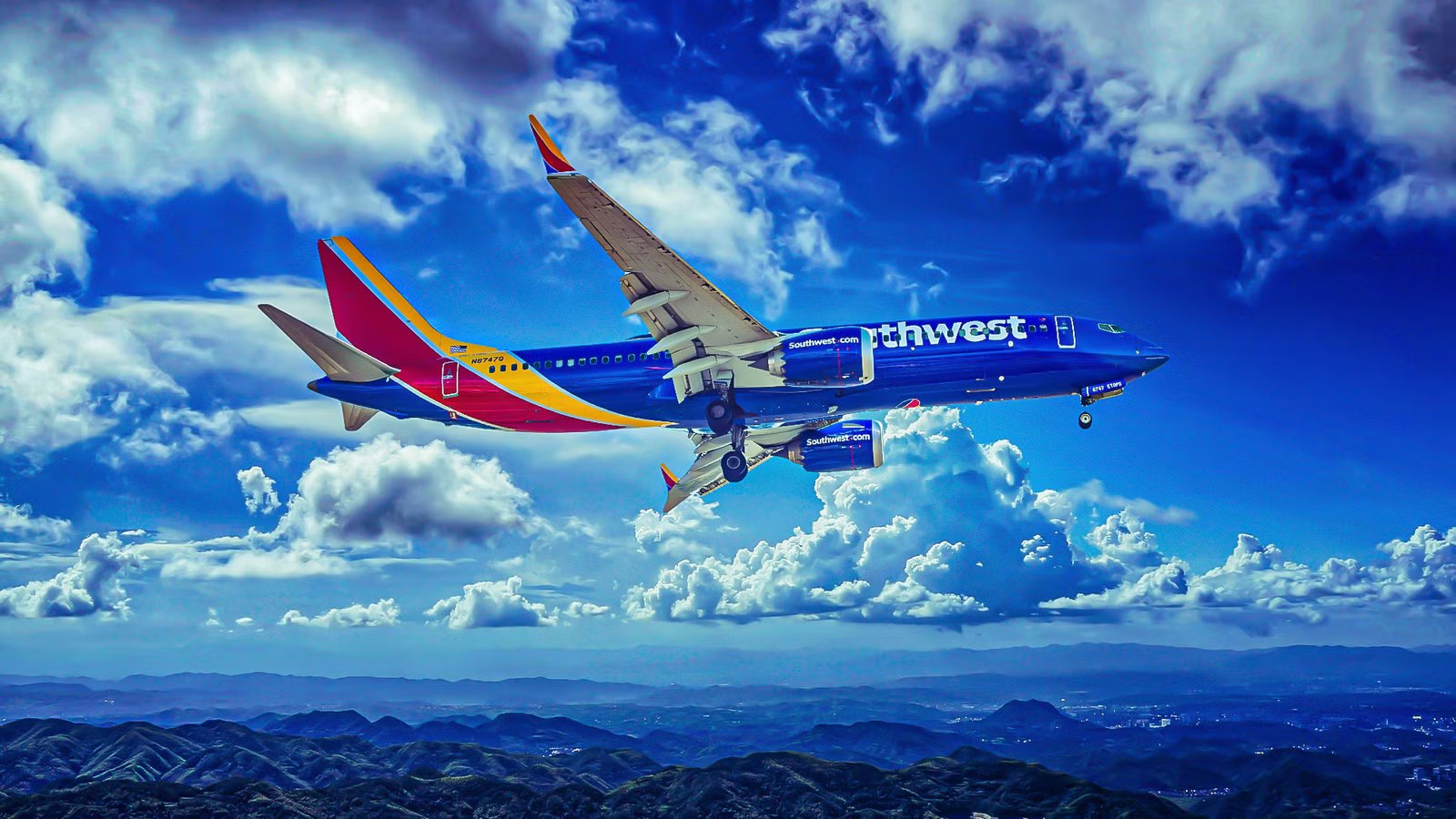
An audit will be undertaken on the Federal Aviation Administration’s (FAA) handling of a concern relating to smoke and fumes entering the aircraft of the Boeing 737 MAX, following bird strike events on the CFM International LEAP-1B engines. The United States Department of Transportation Office of Inspector General (DOT OIG) announced the move on Thursday, April 16, and and subsequently in the report materials published for this month.
The investigation will primarily look at two incidents in 2023, where the MAX 8 encountered a bird strike, which damaged engine fan blades and activated the Load Reduction Device (LRD), a safety mechanism. When the LRD activates, it can result in engine oil mist entering the aircraft’s environmental control system, which, as a result, can enter the cockpit or cabin.
FAA Audit of Boeing 737 MAX Bird Strike Incidents

As analysed by Aero Morning, when the LRD activates, the smoke or fumes can enter the cabin, resulting in reduced visibility, increased workload for those crewing the flight, and exposure risks for both passengers and crew. In both of the incidents in 2023, the flights were able to land safely, and there were no reported serious injuries on board; however, the DOT OIG is scrutinizing due to the nature of the smoke intrusion that entered the cabin during a critical time of the flight. Below are the two flights that encountered a bird strike:
|
Flight Number |
Date |
From |
To |
Notes |
|---|---|---|---|---|
|
WN3923 |
March 5, 2023 |
Havana (HAV) |
Fort Lauderdale (FLL) |
Bird strike on takeoff, flight returned to Havana safely. 147 passengers, six crew onboard |
|
WN554 |
December 20, 2023 |
New Orleans (MSY) |
Tampa (TPA) |
Bird strike on takeoff into the left engine, returned to New Orleans safely. 133 passengers and six crew onboard. |
The DOT IGC has initiated an audit due to the conflicting recommendations that were suggested by the FAA on how to address the issue, and what appears to be a disagreement between technical offices at the FAA on whether the current procedural changes needed to be amended.
As a result, the concerns remaining from the safety risks found on both of these flights have not been fully mitigated by the current FAA approach. Specifically, the Office of Accident Investigation and Prevention has recommended take-off procedure adjustments on recommended operational changes, and the Aircraft Certification Service (AIR) has favoured a long-term software update.

The remaining concerns, which have been highlighted by the DOT IGC, are that there remain unsolved safety risks with the LRD and that the activation and subsequent smoke intrusion into the aircraft were not fully addressed, which highlights operations gaps on whether the FAA fully evaluated the timeline for engine software updates across the entire global Boeing 737 MAX 8 fleet.
Additionally, it has been raised as to whether pilots are properly trained in relation to the LRD smoke risks and general pilot awareness. Emergency procedures have also been questioned as to whether these remain adequate when using oxygen in smoke events.
The FAA Flight Standards divisions have also questioned the current MAX simulators, and if they have a realistic replicate scenario when smoke or fumes enter the cabin, and the result of LRD activation. These training environments are now suggested not to fully prepare pilots for this type of scenario.

NTSB Issues Rare But Urgent Warning Of Potential Boeing 737 MAX Engine Problems
Issues with the Boeing 737 MAX continue to mount, as the NSTB recommends modifications to its LEAP-1B engines.
What Happens Next?

The FAA has continued to maintain that it addressed the issue in accordance with its Continued Operational Safety (COS) process, with no immediate operational changes needed as per a November 2024 as tabled by the FAA’s Corrective Action Review Board (CARB). A software update was undertaken as the primary mitigation step, and the issue was not deemed to constitute an immediate intervention in the safety emergency system.
The position of the DOT IGC’s audit will be to understand the key regulatory tension remaining in aviation safety, and it will seek to understand whether current software-based engineering fixes remain appropriate and sufficient in the short term, and whether long-term operational changes are necessary to mitigate the risk in rare but hazardous situations, such as the two incidents onboard the  Southwest Airlines flights.
Since 2023, there have been no subsequent events where the presence of smoke entering the cabin has triggered the LRD and sustained scrutiny from the US aviation safety bodies. The report is expected to clarify whether the response by the FAA adequately addressed the associated risk, and the conclusion, which is now under an independent review.