dailynewsnblog
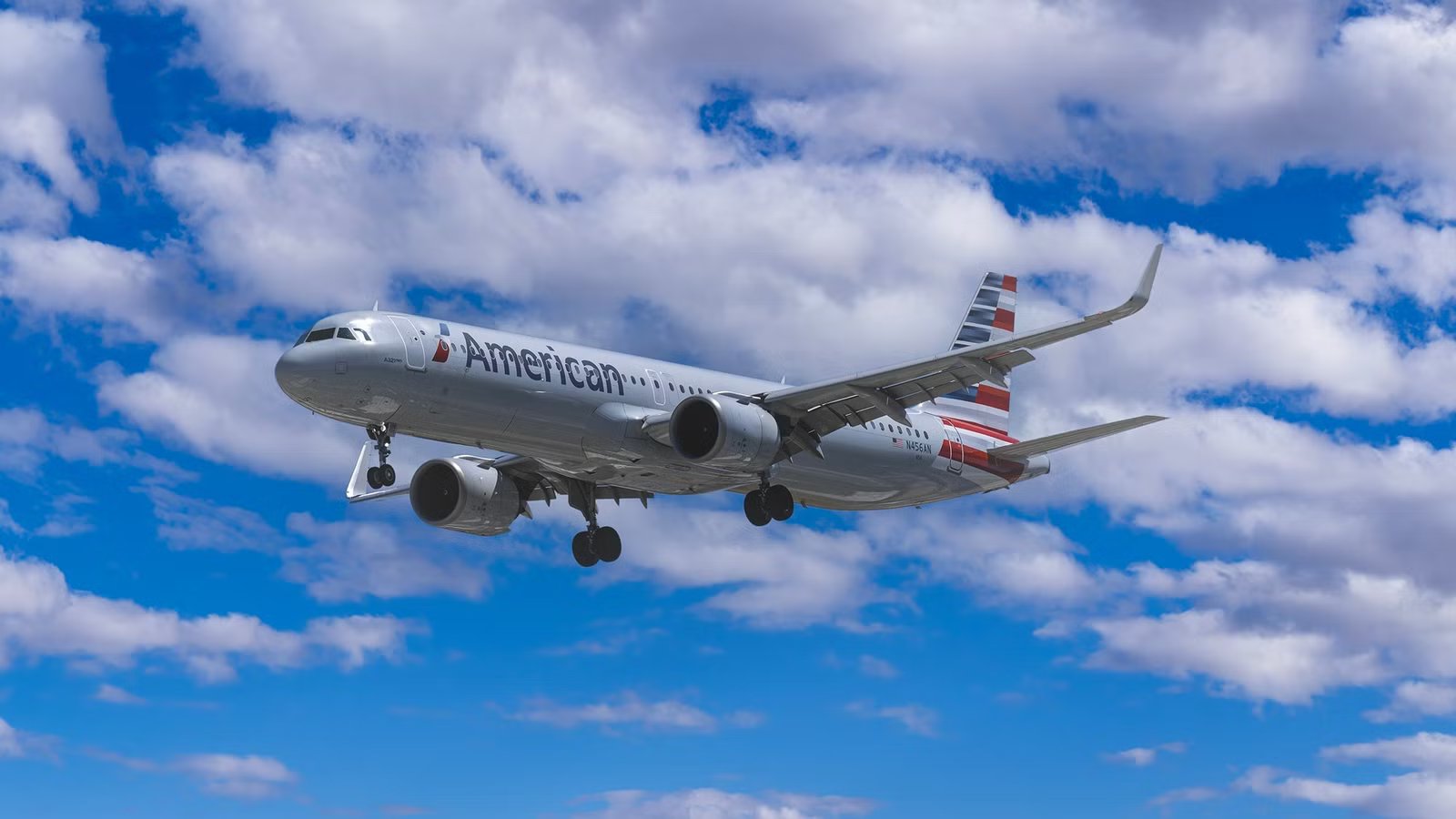
The highest-paid pilots in the United States are senior Captains. Generally, the most highly paid of these Captains fly widebody aircraft with the Big Three airlines: Delta Air Lines, United Airlines, and American Airlines although other airlines offer competitive salaries. These Captains can earn more than $400,000 later in their career with numerous benefits, like a guaranteed minimum hours of pay and even generous retention bonuses.
Unions and a widespread pilot shortage have given commercial pilots considerable bargaining power. The shortage has led to airlines trying to recruit trained pilots from the United States Air Force (and Navy/Marines). This has, in turn, led to a pilot shortage in the military and has left the military looking for ways to retain their trained pilots for longer, including by offering retention bonuses.
Since 2019, some airlines (like Frontier Airlines) have started targeting helicopter pilots and offering them incentives to convert to commercial airliner flying. In this article, we will explore the highest-paid US commercial pilots flying for the legacy airlines.
The Two Pilot Ranks

With the abolition of the Flight Engineer, modern commercial airlines only have two crew on the flight deck: the First Officer and the Captain. This effectively means there are just two ranks of commercial airlines. Both the First Officer and the Captain are fully qualified pilots who are able to independently fly and operate the aircraft. There is a misconception that the First Officer (traditionally called the co-pilot) is a trainee. In reality, both are fully qualified, type-rated pilots and are fully licensed.
The First Officer has completed the same core airline training as the Captain. The main difference lies in that the Captain is paid more and is the pilot in command. The Captain has the final legal authority over the flight. The Captain’s role includes making operational decisions, accepting or rejecting the aircraft before departure, ensuring regulatory compliance, and managing the flight crew.
The greater Captain pay is largely a reflection of more experience and more responsibility. As a rule of thumb, a Captain can expect to earn around 40–55+% more than the First Officer flying the same aircraft with the same airline. This gap narrows when comparing a widebody First Officer with a narrowbody or regional Captain, but that is an apples-to-oranges comparison.
The Type Of Aircraft

The type of aircraft pilots fly is a strong predictor of their income, although the underlying driving force is not so much the aircraft per se, but the experience of the pilots with more experienced pilots flying larger and larger aircraft. The Big Three airlines contract Envoy Air, SkyWest, PSA Airlines, CommuteAir, GoJet, and other commuter airlines to operate their United Express, Delta Connection, and American Eagle flights.
Even though those pilots are technically not employed by the Big Three, they are included here as they fly under their logos. First Officers flying commuter and regional aircraft (such as the CRJ-200/550/700/900, Embraer ERJ-170/175) can expect to earn $110,000 to $160,000, while Captains earn around $170,000 to $240,000.
Small mainline narrowbody aircraft like the A220 and Boeing 737-700 see First Officers earn $190,000 to $260,000 and Captains in the range of $290,000 to $360,000. Moving up to large narrowbody aircraft (A320s and 737 MAXs), First Officers can expect to earn around $50,000 more, and Captains see their average income rise by $50,000 to $70,000.
As the pilots become more senior, they may move to widebody aircraft. Smaller widebody aircraft (767, 787-8, A330) First Officers average $290,000 to $360,000 and Captains $420,000 to $500,000. Finally, First Officers flying the largest aircraft (A350s, 777s, 787-9s) earn around $330,000 to $400,000 and Captains around $470,000 to $580,000.
Experience Is The Determining Factor

Unlike most professions, commercial pilot salaries rise almost entirely with seniority and not with performance. This is partly thanks to years of collective bargaining agreements that have established annual pay steps allowing pilots to receive automatic pay increases year by year until they reach the top of the pay scale. The single biggest pay jump comes with the promotion from First Officer to Captain, where the pay immediately jumps by 20% to 40%.
Most airline pilot contracts come with 12-year pay scales that increase the pilot’s hourly rate every year for the first twelve years. As a ballpark, pilots can expect their hourly pay to increase between 8% and 15% annually in the first one to five years. The next six to ten years generally see pay compound by 4% to 8% annually and then 2% to 5% annually for years 11 and 12.
Select major airlines (per American Flyers for 2026) | First Officer (Year 1) | Captain (Year 12) |
|---|---|---|
Delta Air Lines | $117,735 | $349,540 |
Southwest Airlines | $130,540 | $343,541 |
United Airlines | $119,968 | $356,443 |
American Airlines | $117,735 | $351,339 |
Alaska Airlines | $101,088 | $323,460 |
Frontier Airlines | $97,000 | $362,212 |
FedEx | $82,690 | $300,859 |
UPS | $65,275 | $387,000 |
Once the pilots have reached the final pay step, their hourly rate normally stops increasing apart from company-wide negotiated pay increases, inflation and cost of living adjustments, and new union contracts. A pilot’s career earnings typically peak after 25 to 35 years of flying. By this stage, they have reached the highest hourly pay rung on the ladder, been promoted to Captain, accumulated seniority to bid to fly the largest aircraft, and gained access to the most attractive premium international routes and best schedules.
Legacy Carriers Offer Various Additional Contributions

Pilots flying for the Big Three airlines can expect a range of generous compensation that adds to their base pay. This is where other smaller employers can struggle. These benefits can add around $75,000 to over $150,000 annually. For example, those flying with Delta can expect up to 18% of eligible earnings paid towards 401(k) retirement contributions. Another big top-up is annual profit sharing.
For Delta, this has historically been 5–20% of annual pay and was 8.9% in 2025 (paid out in 2026). They can enjoy per diem, which is a leading tax-advantaged daily allowance an organization pays to an employee to cover living expenses such as meals, lodging, and local transportation during business travel.
They also enjoy holiday premium pay and various types of insurance (health, disability, life, etc.). Extra vacation days, unlimited standby travel that includes eligible family members, and other benefits. Ready For Take-off Book explains that, “United pilots are paid by the block hour with a monthly minimum guarantee set in the UPA, plus per diem, overtime, override pay for premium trips, holiday pay, and an annual profit-sharing distribution.”
What Pilots Typically Do Post-Retirement

Pilots who were hired in their late 20s or early 30s can have around 20 years or more earning at or near the top of the commercial pilot pay scale before they are required to retire at the age of 65. Many pilots stay on with United, Delta, and American until they reach 65 and retire as mandated by FAA Part 121. These pilots typically have up to 40 years of experience, a large retirement portfolio, and significant savings, allowing them to retire comfortably.
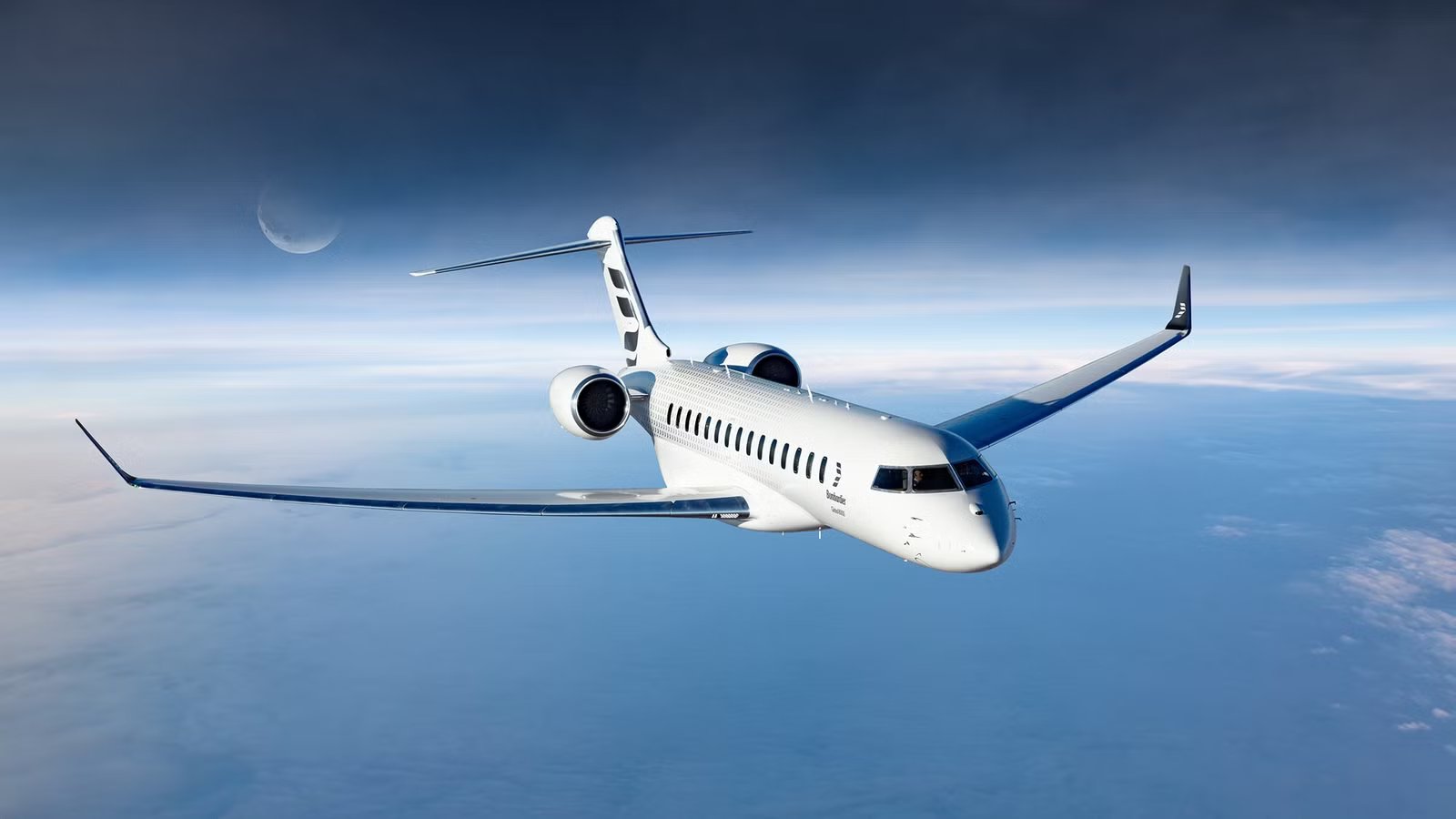
But some early retirees will move on to private aviation, flying business jets like the Gulfstream G650/G700 and Dassault Falcon 8X. These allow pilots to have more flexibility, sometimes a better work-life balance, and allow pilots to do ‘real flying,’ like planning the flight away from some of the rigidness of large commercial airlines.
Private aviation typically pays significantly less than what they would have enjoyed as widebody Captains. It is also quite common for retired Captains to work as simulator instructors, FAA examiners, training Captains, and flight standards instructors. Again, the compensation is much less, but there is no overnight travel, and they can be home most nights. Some will move into consulting, teaching, and other roles.
Pilots Retire Later Today Than Was Historically The Case

Historically, it was common for pilots to retire before the age of 65. Some pilots would retire in their late 50s, as by that stage they would enjoy their generous pension plans and had accumulated more wealth, while airline schedules were more strenuous. These days, it’s more common for pilots to push onto 65, as pay has increased dramatically (driven by a pilot shortage), defined-benefit pensions have become less common, and other incentives.
After 65, most legacy airline pilots do not go for more full-time flying work. Often, those who do get work will do so on a part-time basis, training, consulting, or doing occasional contract flying. These decisions are often driven more by a love of flying or the desire to remain active rather than a need to earn more money. Faced with a pilot shortage, the FAA is mulling increasing the mandatory retirement age to 67.
But that raises the question about how many pilots would choose to work those extra years or just retire at 65 as expected. While there are no definitive industry-wide figures, some surveys and polls have suggested around half to two-thirds would. Meanwhile, in 2024, Reuters reported that “the Air Line Pilots Association opposes raising the retirement age and said such a move could cause airline scheduling and pilot training issues and require the reopening of pilot contract talks.”