dailynewsnblog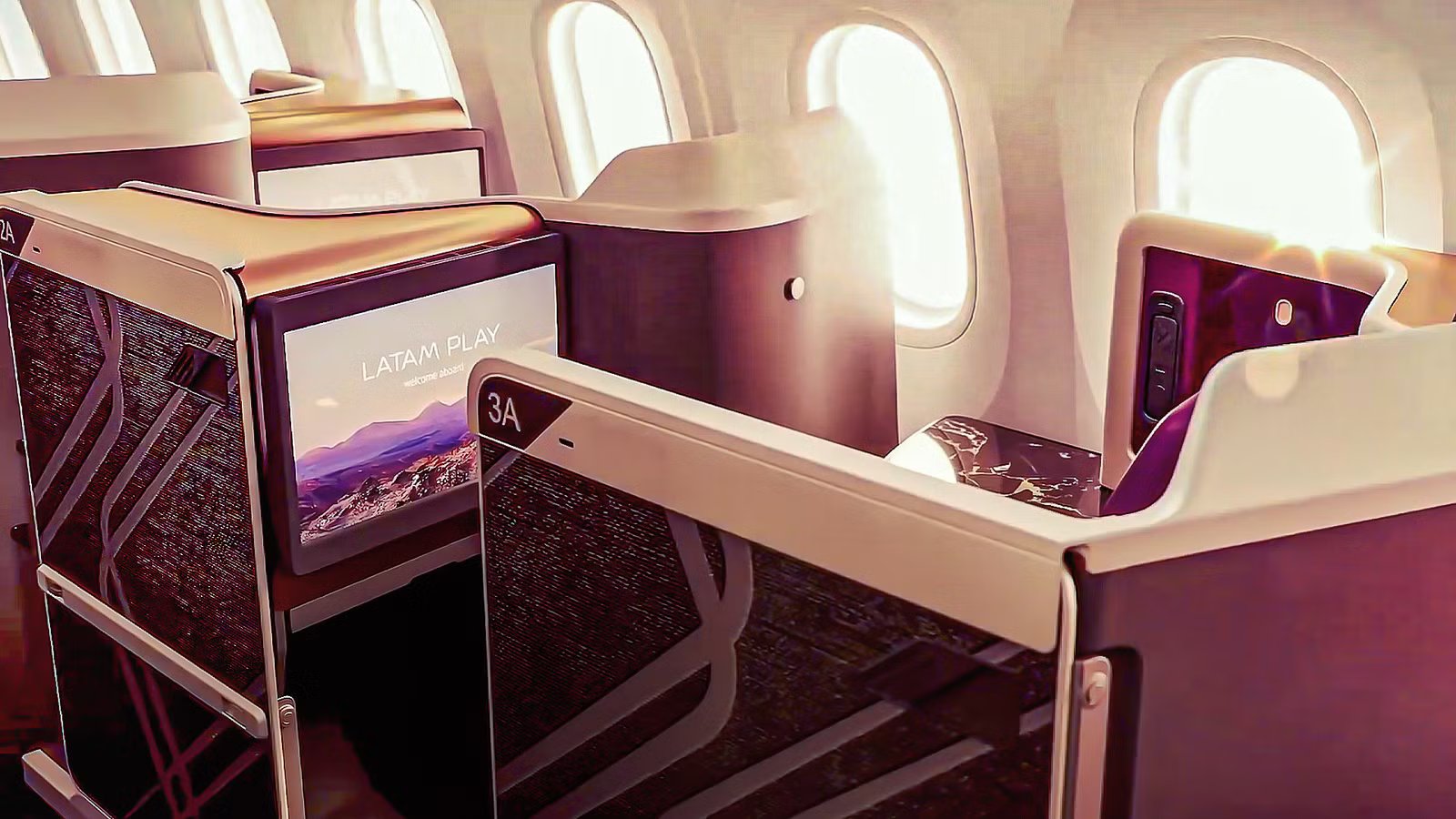
When passengers think about inflight entertainment, they usually picture a seatback screen loaded with movies and TV shows. But the next generation of inflight entertainment is becoming something far more ambitious: a personalized digital platform connecting passengers with airlines throughout their journeys. That vision is driving one of the most significant technology investments in Latin American aviation.
LATAM airlines is investing $60 million in next-generation connectivity with Viasat, but its ambitions extend beyond faster WiFi. During an interview with Simple Flying at the IATA Annual General Meeting in Rio de Janeiro last June, Chief Information and Digital Officer Juliana Rios revealed that LATAM is taking direct inspiration from partner  Delta Air Lines and its evolving digital system. Rather than simply installing better connectivity, LATAM wants to build a personalized onboard experience that follows customers throughout their journeys.
LATAM’s Digital Transformation Started Long Before The WiFi Investment

For LATAM, inflight entertainment is one piece of a much broader digital transformation that began several years ago. According to Rios, the airline never viewed digitalization simply as a technology project. Instead, it has changed how different departments work together, redesigning customer journeys from beginning to end rather than upgrading individual systems.
“There is no ending to this journey,” Rios explained. “Once you become more digitally oriented, the possibilities are infinite.”
The airline launched its first dedicated digital organization around 2018 and 2019, initially focusing on customer-facing processes before expanding into other parts of the business. Rather than assigning technology teams to individual departments, LATAM created cross-functional teams combining business and technology specialists to redesign entire processes.
Rios emphasized that digital transformation is made for people. Removing unnecessary complexity, she argued, allows frontline employees to concentrate on serving passengers instead of managing outdated processes. Those efforts appear to be paying off. LATAM’s Net Promoter Score (NPS) has climbed from 19 in 2018 to 61 among its top-tier customers, while its digital customer experience score now exceeds 70. Rios estimates technology deserves at least half the credit for those gains.
“When you embed technology into the day-to-day of people, and you democratize the usage of technology, it becomes very empowering,” she said.
That philosophy explains why LATAM’s latest onboard investments are being viewed internally as customer experience initiatives rather than connectivity projects. Faster internet may be what passengers notice first, but the broader objective is to make interactions from booking to arrival more personalized.
Delta Air Lines Has Become LATAM’s Blueprint For The Future Of Inflight Entertainment

While airlines frequently benchmark competitors, LATAM has a distinct advantage: one of its closest partners is also among the industry’s digital leaders. Since forming their joint venture, LATAM has worked closely with Delta Air Lines, and that collaboration now extends beyond network planning into customer experience innovation.
Asked whether Delta’s onboard technology influenced LATAM’s thinking, Rios did not hesitate.
“Absolutely, we look at the other airlines. We also collaborate a lot with Delta to understand what they have done. We basically want to take an approach that is very similar to Delta. We want to make sure that we invest in having our own interface for customers, and with that interface, we can deliver better content directly to them.”
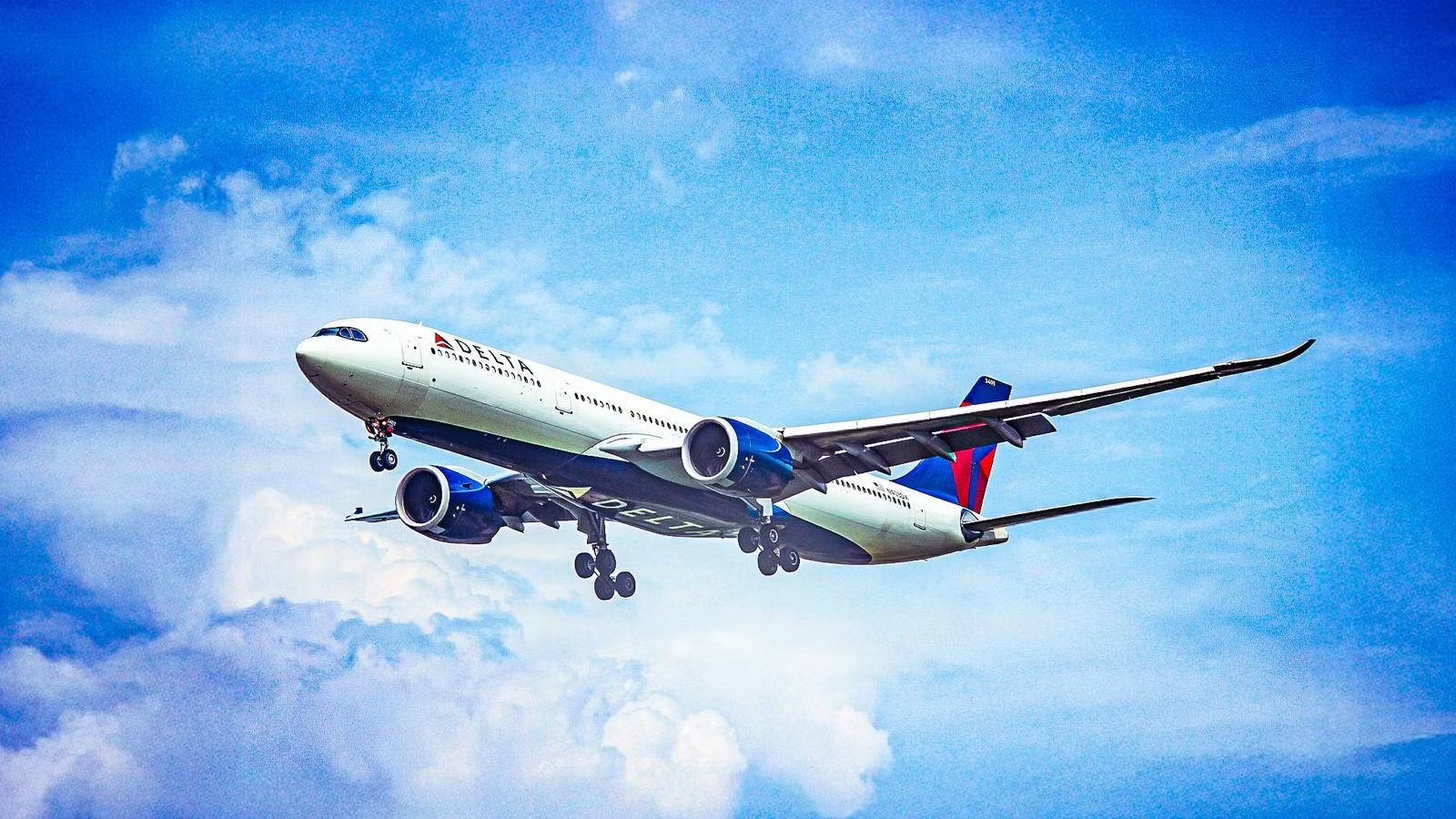
That statement is noteworthy because Delta has spent several years transforming its seatback entertainment system into a connected digital ecosystem. Rather than treating the screen as a standalone device, the airline has integrated customer profiles, loyalty accounts, personalized recommendations, and high-speed connectivity into a unified platform.
One of its most prominent developments is Delta Sync, which allows SkyMiles members to access tailored entertainment and other personalized experiences through seatback displays on equipped aircraft. Apart from the content library, personalization is becoming a defining feature of Delta’s inflight entertainment strategy. So it is for LATAM. Instead of competing solely on movie libraries or internet speeds, the airline wants its own customer interface that delivers relevant information throughout the journey.
As the two airlines deepen their partnership, passengers may notice similarities in how their digital experiences evolve on board.
Connectivity Is Becoming The Foundation Of A Personalized Passenger Experience

LATAM Airlines
For many airlines, installing high-speed internet is primarily about allowing passengers to browse the web or stream content. LATAM sees the technology differently. The carrier believes next-generation connectivity can create an entirely new communication channel between the airline and its customers. That is why its $60 million investment with Viasat is being positioned as a customer experience platform rather than simply a WiFi upgrade.
During the interview, Rios explained that connectivity could eventually allow LATAM to deliver information when it matters most. If a connecting flight changes, baggage is delayed, and travel plans may need to be adjusted, updates could appear directly through the onboard interface.
The clearest example she offered involved entertainment itself. Imagine starting a movie on one LATAM flight before arriving at a connecting airport. Instead of searching for the film again on the next flight, a future system could recognize the passenger and automatically offer the option to resume where they left off.
“If you are taking one flight and start watching a movie and cannot finish, but we can identify you and hold that information, on your next flight we can immediately offer you the option to continue the movie where you stopped,” Rios explained.
While that may seem like a small convenience, it illustrates how inflight entertainment is evolving from isolated hardware into a connected digital service tied to an individual customer profile.
The approach, in fact, closely mirrors Delta’s direction with Delta Sync. Instead of asking passengers to adapt to the entertainment system, the platform adapts to them. LATAM’s executives see similar opportunities in Latin America, where sophisticated onboard personalization could become an important differentiator.
Artificial Intelligence Is Quietly Transforming Every Stage Of The Journey

Although inflight entertainment receives much of the attention, Rios stressed that personalization begins months before passengers reach the airport. LATAM implements artificial intelligence and advanced data models to understand customer behavior throughout the booking process.
A traveler may first search for inspiration, compare destinations, purchase flights, reserve hotels, add baggage, or select seats long before departure. Each interaction generates context that can help the airline understand what the customer may need next.
LATAM is using that information to power a growing range of AI-driven tools. Customers interact with the airline through WhatsApp, online chat, and conversational assistants, while an AI concierge currently being developed across selected markets can recommend destinations, suggest hotels and restaurants, propose activities, and pre-populate flight searches based on individual preferences. This way, LATAM aims to create customer profiles that make recommendations increasingly relevant.
According to Rios, contextual understanding is the real challenge.
“The most relevant thing is contextual information—being able to understand the context of each passenger,” she explained. “That’s where we’ve been spending a lot of time and effort, trying to model all those data points that help us better understand what a customer might prefer the next time they travel.”
The same philosophy extends onboard. The more accurately LATAM understands a customer’s travel history, preferences, and current journey, the more valuable its inflight entertainment platform becomes. Instead of functioning simply as a digital movie library, the seatback screen could evolve into a personalized travel companion.
What Could LATAM’s Next-Generation Inflight Entertainment Actually Look Like?

Passengers often judge inflight entertainment by the number of movies or television shows available. But the industry is shifting toward a broader digital experience where entertainment becomes one feature within a connected travel platform.
If LATAM successfully executes the strategy outlined by Rios, the biggest change will likely be personalization. Instead of presenting every traveler with the same homepage, future systems could recognize individual passengers, recommend entertainment based on previous activity, display personalized travel information, and provide destination-specific suggestions.
How LATAM’s Future Inflight Experience Could Compare
Feature | Today’s Traditional IFE | LATAM’s Future Vision |
Internet connectivity | Limited or unavailable | High-speed Viasat connectivity |
Entertainment | Static content library | Personalized recommendations and saved viewing history, similar to Netflix |
Passenger communication | General announcements | Individual travel updates |
Customer recognition | Largely anonymous | Passenger profiles recognized throughout the journey |
AI integration | Minimal | Contextual assistance and recommendations |
This evolution reflects wider changes across the airline industry. LATAM’s advantage is that it can learn from an established partner while adapting those ideas for Latin American travelers. Its future inflight experience may combine Delta’s personalization strategy with LATAM’s own customer data, digital platforms, and rapidly expanding AI capabilities.
The Airline’s Biggest Competitive Advantage May Not Be The Seatback Screen
LATAM’s inflight entertainment overhaul may be one of the most visible elements of its digital transformation, but some of its most impressive technology-driven gains are happening far away from passengers. The same philosophy behind personalized entertainment, such as using data and technology to remove friction, is also reshaping complex areas such as aircraft maintenance.
One striking example involves maintenance planning. LATAM used digital tools to optimize maintenance cycles across its fleet, unlocking 1,440 additional days of flight time annually without adding a single airplane.
“We are able to find 1,440 days more with our current fleet,” Rios explained. “We would need four new aircraft in order to add that. And this is real. It’s there already. It’s happening.”
The airline is now applying similar thinking elsewhere, including in its cargo business, seeking processes where technology can unlock efficiencies that were previously difficult to achieve. For LATAM, the main objective is to automate routine processes while enabling employees to focus on interactions that require human attention. Rios believes removing friction will remain a major priority, particularly as customers change how they search for, purchase, and manage travel.
The speed of that change was reinforced during a recent visit by LATAM executives to Silicon Valley. The trip had originally been scheduled several months earlier but was postponed. By the time the executives arrived, the technology landscape had already changed significantly.
“We said, ‘You know what? It’s a good thing that we didn’t come in November,’ because in four months so many things changed and so many new things were available,” Rios recalled. “This is a cycle that is going to continue to happen.”
That may ultimately be the most important lesson behind LATAM’s inflight entertainment overhaul. The airline is not attempting to predict exactly what passengers will expect from cabin technology five or ten years from now. Instead, it is building the infrastructure and organizational flexibility required to keep evolving as expectations change.
LATAM is now adapting that philosophy for Latin America, where connectivity, artificial intelligence, and personalization could give the region’s largest airline group an increasingly important competitive advantage.