dailynewsnblog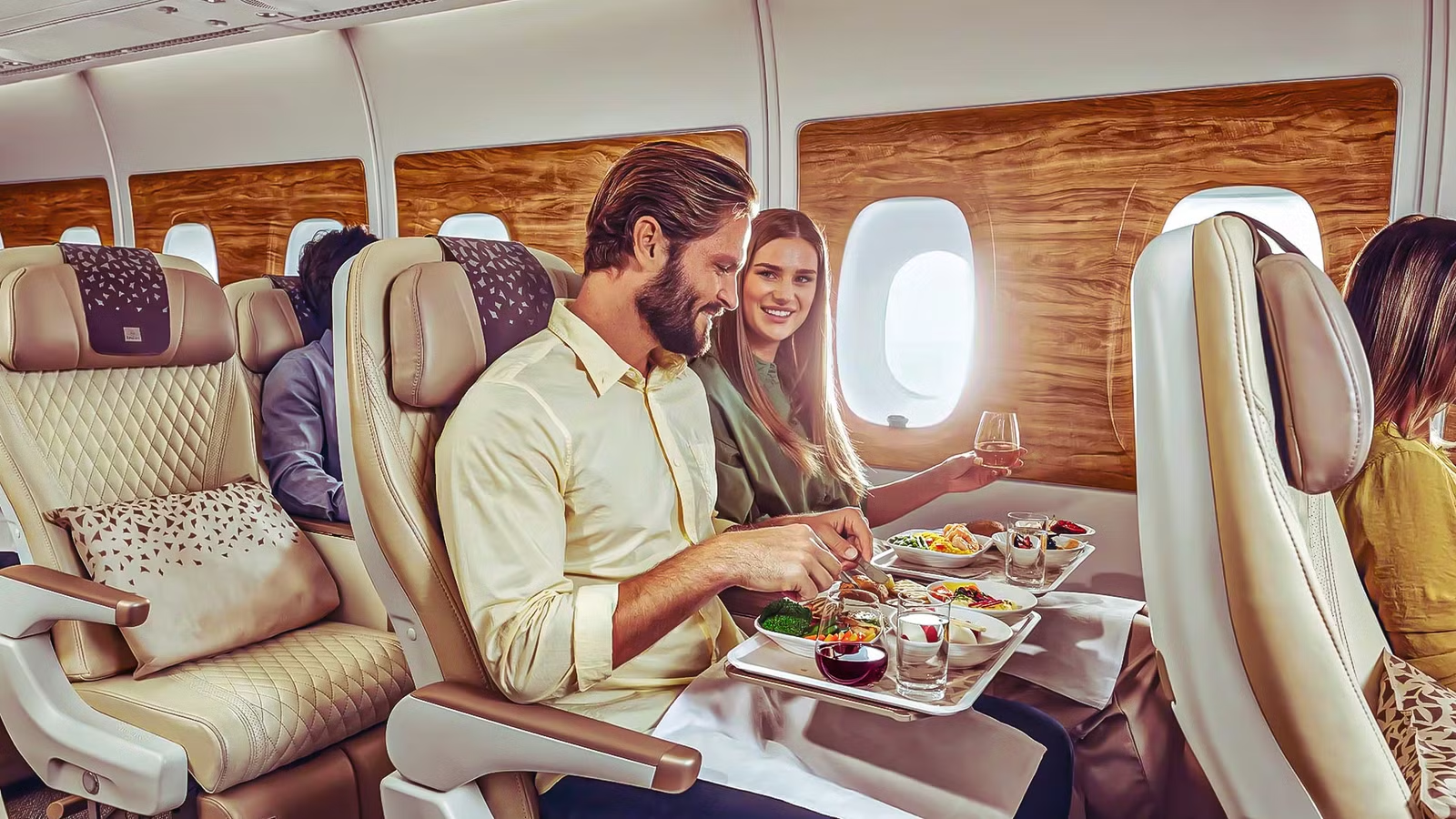
Premium economy has come to represent a win-win for passengers and airlines alike. For passengers, the middle ground between economy and business class means additional comfort, but without the hefty price tag that the upgrade might once have entailed. On the side of airlines, the class offers a means to charge premium prices, but without having to sacrifice so much space on aircraft.
But despite proving exceptionally lucrative where it has been introduced, many airlines have appeared complacent about rolling out their own premium economy cabins over the years.  Emirates, for instance, only began offering such a product in 2021, roughly thirty years after the first premium economy seats emerged.
Premium Economy Pioneered By EVA

Premium economy itself has roots way back in the early nineties. Taiwanese carrier EVA Air, through the introduction of its new Evergreen Class in 1991, debuted the premium economy class we would eventually come to know. This addition of a seating option between business and economy marked the first major update in how airlines arranged their cabins for several years.
Prior to EVA’s move, airlines had stuck to offering up to three standalone classes, if more than one fare type was offered at all. This had been the case since the late seventies, when Australia’s Qantas pioneered the business class cabin to bridge the gap between first and standard seating. Such was the success of giving customers that might not be able to afford first-class fares but still desired additional luxury the choice of an intermediate option, that the likes of  British Airways, TWA, and Pan Am all followed suit soon after.
EVA’s own idea was born of the same thinking. Much like there had been a gaping hole in the market for a product that fit between first and economy, the airline sought out to tackle a similar opportunity in the middle of business and standard seating. The first such seats were located in the nose section of EVA’s Boeing 747-400s and laid out in a 2-2-2 configuration, rather than the 3-4-3 in economy, to grant flyers more space.
Virgin Soon Followed, But Qantas, Cathay, Singapore Among Those To Hold Off

Despite premium economy first emerging all those years ago, it has taken some time for airlines across the board to fully embrace the idea. Virgin Atlantic adopted the product soon after EVA in 1992, but was among the few to do so in the form of a dedicated, distinguishable area between business and economy. Others attempted to implement their own versions, including by increasing space in existing economy cabins and charging a premium, but with little success.
Though EVA and Virgin enjoyed success with their early premium economy offerings, a fear appeared to remain among airlines that such seating would prompt higher-paying business-class passengers to overwhelmingly downgrade, rather than see economy passengers upgrade. As it turned out, though, those fears were misplaced.
Eight years later, the next major carrier caved. British Airways rolled out its World Traveller Plus fare in 2000. Chief executive at the time, Rod Eddington, then requested a 2003 interview in which he dubbed the cabin “extremely popular” not to be publicized for fear rivals would become wise to the massive opportunity they were missing. But the frontrunners could not hide the secret forever, and airlines got involved in increasing numbers over the ensuing years. Air New Zealand came next in 2004, before: Qantas in 2008; Cathay Pacific in 2012;  Lufthansa in 2014;
  Singapore Airlines in 2015;
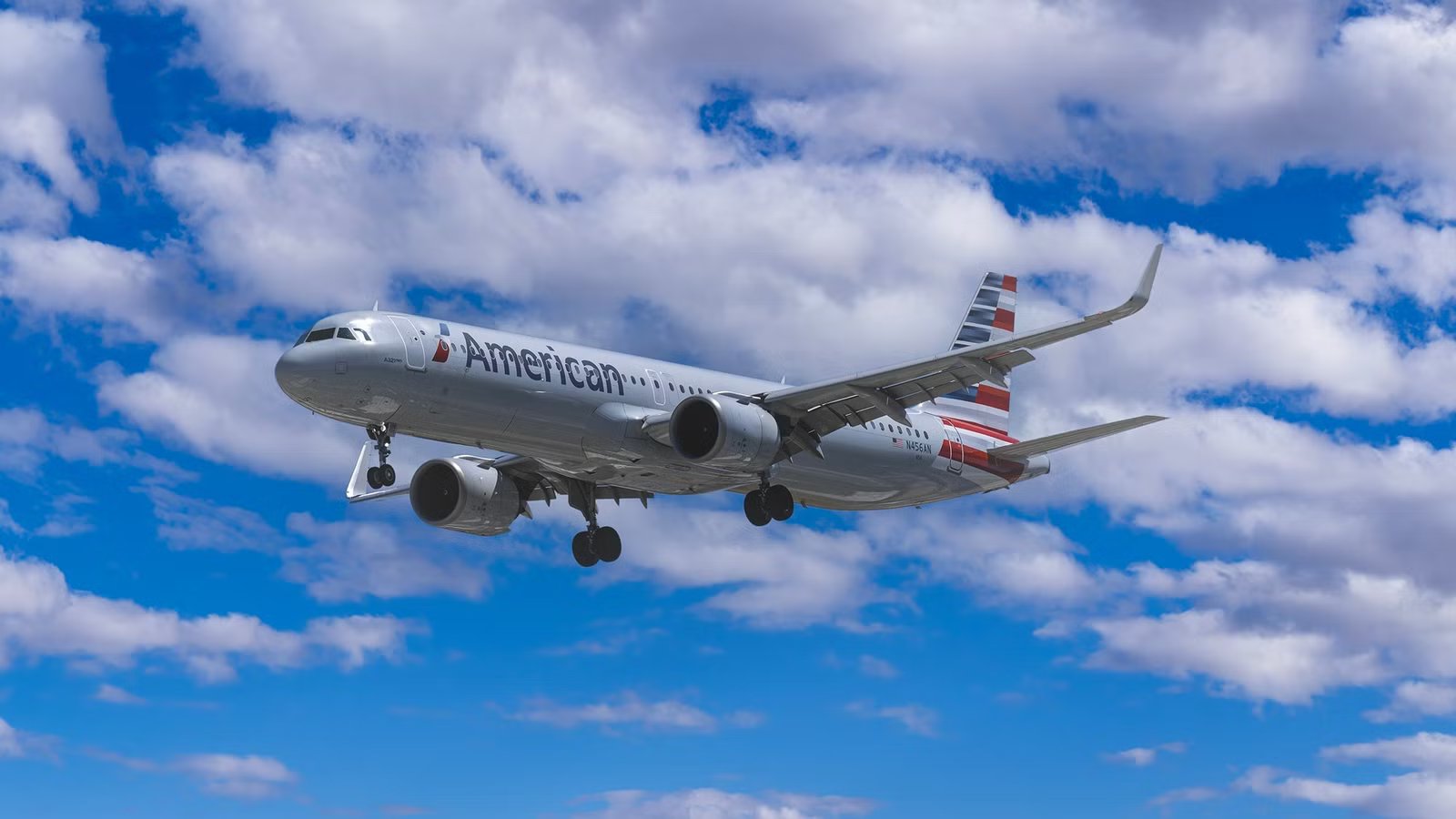
  American Airlines in 2016;
  Delta Air Lines in 2017;
  United Airlines in 2019; and finally Emirates in 2022.
Emirates’ Misplaced Reservations Around Premium Economy

Emirates was clearly complacent about adopting the product, having held off for years while many of its rivals caved one by one. But it need not have been. In the years since it started to roll out premium economy on retrofitted Airbus A380s and Boeing 777s, the United Arab Emirates co-flag carrier has reaped the rewards.
Premium economy “continued to exceed expectations” between 2024 and 2025, as 623,000 customers opted for such seats across 37 of its routes, Emirates wrote in its annual report at the time. By reporting time the following year, refurbishments to 47 A380s and 50 777s, alongside the addition of 19 new Airbus A350s housing the cabin, meant two million premium economy seats were available annually on Emirates aircraft. Network coverage had jumped to 76 destinations in the meantime, with the airline once again recognizing “exceptional customer appeal” in the update.
Catch what other flight trackers miss
Emergency squawks, holds, NOTAMs — live signals, no signup.
Open tracker
Catch what other flight trackers miss
Emergency squawks, holds, NOTAMs — live signals, no signup.
Open tracker
Having stubbornly held off until the early 2020s, the aggressive expansion that followed showed Emirates had clearly missed a trick until that point. Reservations were around the same old fear that business-class customers would trade down, eating into an existing revenue stream. As it turned out, 90% of the airline’s premium economy seats were being filled by passengers who would otherwise have bought standard tickets, president Tim Clark flagged in an interview with Key Aero last year.
Premium Economy Commands Disproportionately High Fares

Clouded by a desire to protect its business-class margins, Emirates had neglected to recognize just how profitable a premium economy seat could be. Indeed, peers had proven that appetite was there for a touch more comfort among customers who were otherwise put off by the price tag of business tickets. Clark said it himself previously at a CAPA conference in Sydney: “We’ve been absolutely shocked at the level of demand […] People have been clamoring to get into them — and paying whatever we have asked.”
The truth was, however, Emirates was just realizing something others had seen long before. United, which similarly held off rolling out its own premium economy seats until 2019, flagged four years later that revenue in the cabin had outpaced capacity growth since its introduction. Lufthansa went a step further in the meantime, reporting its premium economy generated more revenue per square meter than both standard and business seating, by 33% and 6% respectively, almost a decade after its own rollout.
Reasons behind this were simple, too. Airlines became wise to the fact that many passengers would simply pay disproportionately more for a seat that was realistically only marginally more spacious. Based on figures from aviation consultants Air52, that could mean fares commanding a 50% to 100% premium for seats boasting 40% to 60% more room per passenger. Bear in mind, those figures would appear conservative too, with other estimates placing premium economy tickets at 100% to 200% more than the cheapest seats on long-haul flights.
Costs Kept Comparatively Low In Premium Economy

Revenue is only part of the story, of course, and why premium economy has come to be the money-making machine it has for airlines is just as much down to costs. Where airlines splash out on all the bells and whistles that business and first-class travelers have become accustomed to, they can get away with offering far less to those in premium economy.
That is not to say such customers do not get some perks aside from extra space. Emirates, alongside the likes of Air New Zealand and Qantas, treats the product more like a stripped-back business experience by offering premium catering, better amenity kits, and so on. Conversely, some airlines run the cabins based on an economy-plus model, leaving the soft product unchanged between standard and the next tier of seating. Costs can vary as a result, but either way, the premium airlines can charge far outdoes the price they actually have to pay per premium economy passenger.
With that in mind, the attractiveness of premium economy to airlines begins to really make sense. Take a Qantas Boeing 787-8 as an example, as travel website Australian Frequent Flyer wrote last year, where either 63 economy, 44 premium economy, or 20 business class seats could be fitted between the first and second set of doors. These might have gone for $950, $3,100, $4,300 each, respectively, based on the carrier’s typical off-peak Sydney-Singapore round-trip fare. Taking up just 43% more space, a premium economy seat would have generated 326% more than a standard seat as a result. A business class spot would then bring in an additional 39%, but only by using up over double the room of a premium economy seat.
Premium Economy Supply Booming

In that sense, kitting out at least some of an aircraft with premium economy should have always been a no-brainer, especially when the marginal increase in costs is considered. That said, hindsight is a powerful thing, and for those airlines that avoided premium economy for years to shield business demand, the reality might have been tough to take.
As business-class cabins have increasingly come to resemble what first-class seating used to look like, the emergence of premium economy has closed a new gap. It just so happened there was a pool of passengers that did not want to fork out for the likes of lie-flat suites that business cabins increasingly feature, but equally did not want to spend hours in the air cramped into a conventional economy seat. What many failed to see until recently was how appealing a middle ground would be and how much people would be willing to spend on it.
It is no surprise that premium economy is the fastest-growing segment of all airline classes today, based on this realization. According to Persistence Market Research, some 63 airlines had adopted such seating as of last November, forcing a 27% year-over-year expansion in capacity. The frenzy appears far from over too, with Thai Airways, LATAM Airlines Group and Discover Airlines among a string of carriers in the process of introducing their own versions of the product as it stands.