dailynewsnblog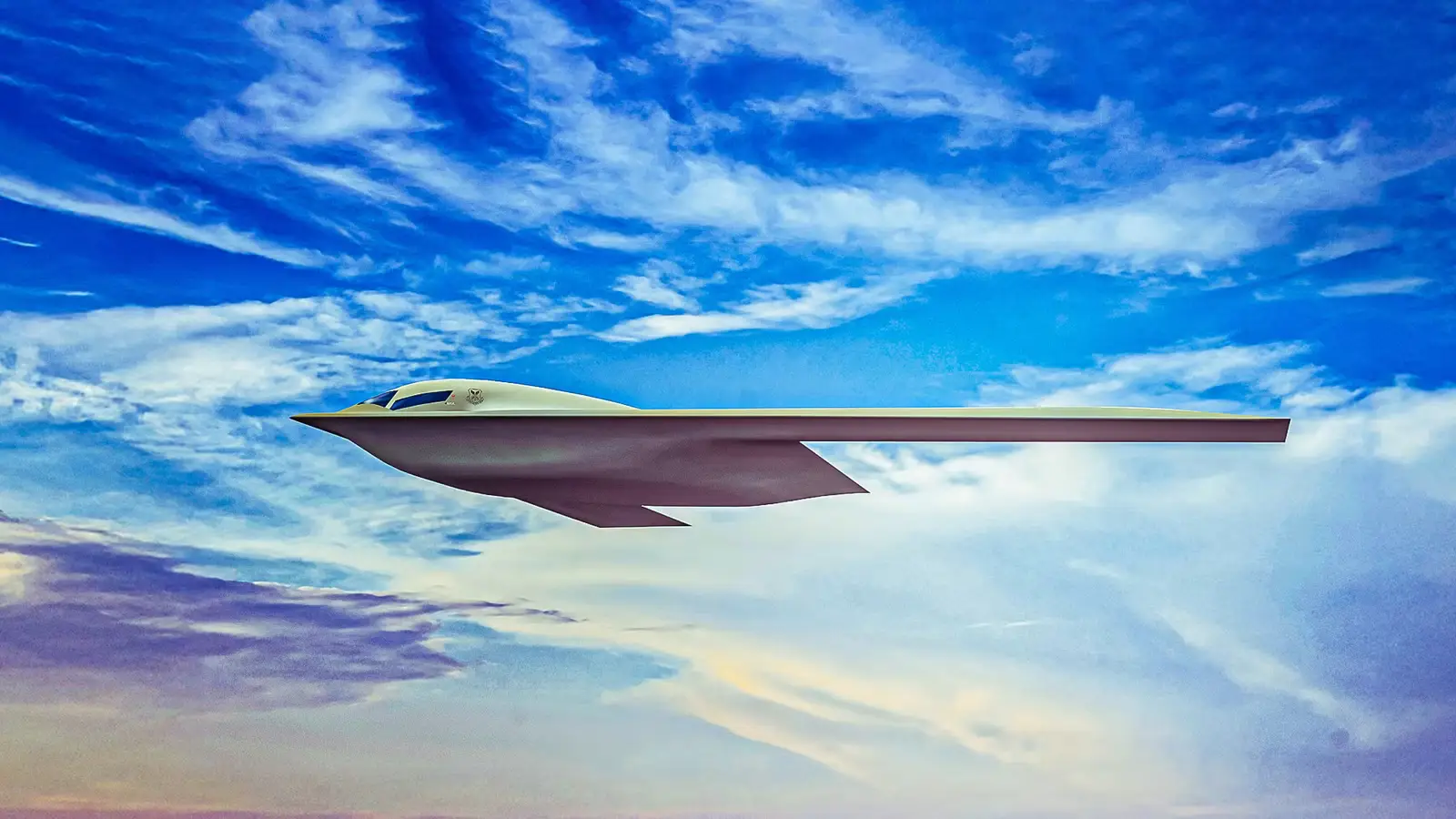
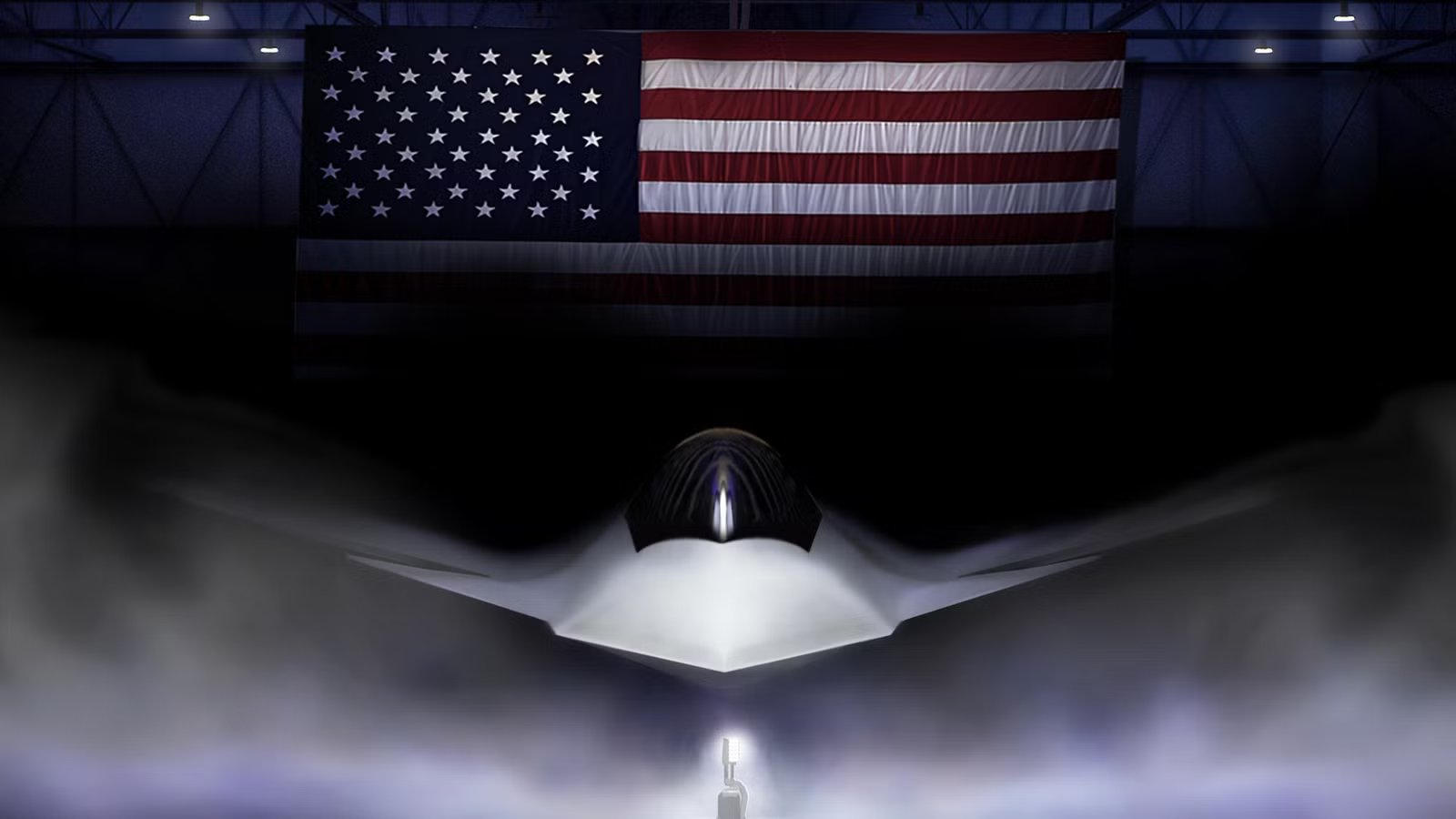
The introduction of the US Air Force’s B-21 Raider heralds the era of ‘stealth’ that goes far beyond simply defeating the adversary’s radar. The latest flying wing built by Northrop Grumman builds on over three decades of operations by the fleet of famed B-2 Spirit bombers. The new sixth generation Raider will incorporate a host of new revolutionary technology to extend all aspects of stealth to a new level of tactical and visibility never seen before, just as its predecessor ushered in the era of 5th-Gen strategic strike technology.
In addition to being virtually undetectable on every spectrum of radar, thermal, and electromagnetic signatures, the radar will also take the mission of strategic strike into the realm of ‘Mothership’ operations when it debuts. The Air Force has optimized the B-21 for the new task by focusing on making the Raider more agile to deploy, cheaper to maintain, and capable of longer times on station.
As the latest and greatest addition to the Air Force Global Strike Command, the Raider’s smaller size means lower payload and fewer engines than the B-2. But, as The War Zone explains, that will not limit the B-21; rather, its stealth will be further enhanced as it will not always need to hit targets on its own but rather strike by proxy through data-networking. That is thanks to its ability to command swarms of collaborative combat aircraft, or loyal wingman drones, to attack where directed.
All Aspect Stealth

In terms of pure radar stealth, the B-21 Raider will have a superior profile to the B-2 because it will have a smaller radar cross-section from all angles: front, side, and rear. B-2 Spirit was optimized primarily for frontal stealth, and while it did have many features to reduce its thermal signature and electromagnetic emissions, the B-21 will take this much further and be practically invisible to any means of detection.
The B-21 features a simpler, single-triangle trailing edge rather than the B-2’s complex W or chevron shape, which significantly reduces radar hot spots from multiple angles. Design choices like a less pronounced beak-like nose, tighter engine masking, and unique cockpit windows that eliminate seams and joints further reduce the return signal.
The aircraft utilizes space-age coatings and composite materials that are fundamentally more advanced than those on the B-2. Instead of just a surface-level coating, radar-absorbent material is integrated directly into the composite structure, making it thinner and more durable. These materials are designed to absorb electromagnetic energy and convert it into heat that is harmlessly dissipated, rather than just deflecting the waves away.
The engines are deeply buried with advanced S-duct shaping and shielded exhausts, often described as narrow 2-D or chevron-shaped. These designs mix hot exhaust with ambient air and use active cooling to ensure the aircraft mimics the temperature of the surrounding atmosphere. The B-21 will operate in radio silence, using secure, low-probability-of-intercept networks to share data without giving away its position through its own signals.
Every surface, curve, and bolt placement on the B-21 was calculated using artificial intelligence and advanced digital modeling to minimize its signature across the entire spectrum, according to the National Interest. This digital-first approach ensured that the final physical airframe perfectly matched the most stealthy theoretical designs.
Unprecedented Battlefield Presence

Using the B-21 Raider as a distributed command node rather than a lone wolf striker is the next evolution in mission-level stealth. This shift in strategy allows the B-21 to minimize its presence while maximizing its impact, giving it several tactical advantages over the B-2. It can remain in passive mode. It processes this incoming data and securely shares it with other assets using low-probability-of-intercept links, making it virtually invisible to enemy electronic ears.
The B-2 was a direct delivery platform; it had to fly directly over or very near a target to drop gravity bombs or short-range missiles. By acting as a node, the B-21 receives targeting data from satellites, stealth fighters, or forward-deployed drones. Because the B-21 doesn’t have to penetrate the innermost layers of a defense system for every target, its overall risk of detection drops to near zero for the duration of the mission.
The B-21 also uses the node strategy to confuse enemy sensors in ways the B-2 never could. It can manage a swarm of drones that act as electronic decoys. These drones can mimic the radar signature of a much larger, less stealthy plane, drawing enemy fire and attention away from the actual B-21. By the time an enemy realizes they are chasing decoys, the B-21 has already coordinated a strike from multiple directions using its networked assets.

Can The B-21 Raider Fly Without Crew?
The B-21 Raider, could it soar solo? Explore the next-gen stealth bomber’s potential.
Raider Doctrine: The Right Size Airframe With An Outsize Impact

The B-21 got its name from the Doolittle Raiders that launched their intrepid attack on Tokyo from the decks of US Navy aircraft in stripped-down bombers that were never intended to be flown from a ship. The impact of that daring raid made waves that were far greater than the physical damage that the planes actually inflicted on the enemy. The Raider was conceived to dominate the battlefield using the same philosophy because the plane will be smaller than its predecessor, and yet it will wield far more combat power thanks to its advanced technology.
Although the actual numbers are classified, publicly released information reveals that the B-21 will be 10% to 20% smaller in wingspan. That is based on the Spirit being 172 feet (52.4 meters) wide, and the Raider expected to be between 132 feet (40.23 meters) and 150 feet (45.72 meters) wide. The B-21 will have just two engines, whereas the B-2 has four, and its overall payload is expected to be 25% to 30% lower. The B-2 can carry over 330,000 lb (149,685 kg), but the B-21 will haul 225,000 to 260,000 lb (102,058 to 117,934 kg).
Aside from being an extremely advanced Mission Command Center, all of the best data link technology in the world, lighter weight, and improved aerodynamics may grant the B-21 better aerial agility and energy management. Plus, the smaller airframe of the Raider allows it to deploy to bases that were not possible with the Spirit. Also, its airframe and stealth materials free the B-21 from the shackles of the intensive maintenance and infrastructure requirements that the B-2 was limited.

The World’s Largest Air Forces By Number Of Bombers
The world’s biggest fleet of ‘big wing’ warbirds.
B-21: Built Tough For Agile Combat Employment

The Raider can deploy to hardened shelters and runways made for standard fighter jets during the Cold War, which exponentially opens up its deployment options. It can operate from smaller, austere, or allied airfields that couldn’t accommodate the massive B-2, making it far more flexible in regions like the Indo-Pacific. Not only does this make it more combat effective, but this actually significantly reduces the ability of an adversary in a near-peer conflict to target the B-21 on the ground.
The B-2 fleet was essentially limited to its home field at Whiteman Air Force Base, occasional deployments to Anderson Air Force Base in Guam, and the Joint Base with the United Kingdom at Diego Garcia in the Indian Ocean. This extremely limited list of airfields where the fleet could be deployed made them predictable and easy to target for an enemy with similar capabilities as the US Armed Forces. It also made it easier for adversaries to reposition and avoid the fleet’s reach by using space assets or other surveillance methods to observe USAF activity.
Dispersed basing of a larger B-21 fleet, expected to be a lot bigger than that of the B-2s, will make the global reach of the AFGSC more resilient and loss-tolerant in a shooting conflict with an advanced opponent. Not only is it possible to be more unpredictable because the Raider can be accommodated by virtually any airfield in the US and its allied network, but the lower concentration of planes in one location at any given time also bolsters the fleet’s survivability on the ground when it is most vulnerable.

The Real Reasons Why The B-2 Spirit Won’t Be Retiring Before The B-1 Lancer
The USAF’s Flying Dorito is outlasting the mighty Bone.
Buy It For Life: The Raider Delivers More Stealth Per Dollar

The B-21’s smaller size and advanced engineering directly address the logistical hurdles that made the B-2 ill-suited for rapid, dispersed deployment. Unlike the B-2, which famously required massive climate-controlled hangars to preserve its delicate stealth skin, the B-21 uses more durable radar-absorbent materials that can be maintained under simple awnings in austere environments. It requires approximately 30% less ground support infrastructure and a smaller ground crew than the B-2. This reduced tail is crucial for the rapid, unpredictable dispersal of forces central to ACE.
Maintenance on the B-2 was notoriously labor-intensive, particularly for its delicate stealth coatings. According to 19FortyFive, the B-21’s smaller size and ‘baked-in’ resilient materials mean fewer surfaces to maintain, leading to lower operating costs and a higher mission-capable rate. The Raider’s advancements lead to a projected mission-capable rate of over 80%, far exceeding the B-2’s historical 50-60%.
The B-2 Spirit was so expensive that production was cut from 132 to just 21 aircraft. This made every B-2 a national asset that was too valuable to risk. By being cheaper, at roughly $700 million per unit versus $2 billion for the B-2, the Air Force can field at least 100 aircraft. The larger fleet size creates redundancy and improves the sustainability of the industrial base behind it to support the fleet over its lifetime.
A larger fleet also allows the US to maintain a persistent presence in multiple theaters simultaneously, rather than juggling a handful of airframes. Some senior leaders are pushing to raise the total order quantity to 145 planes.