dailynewsnblog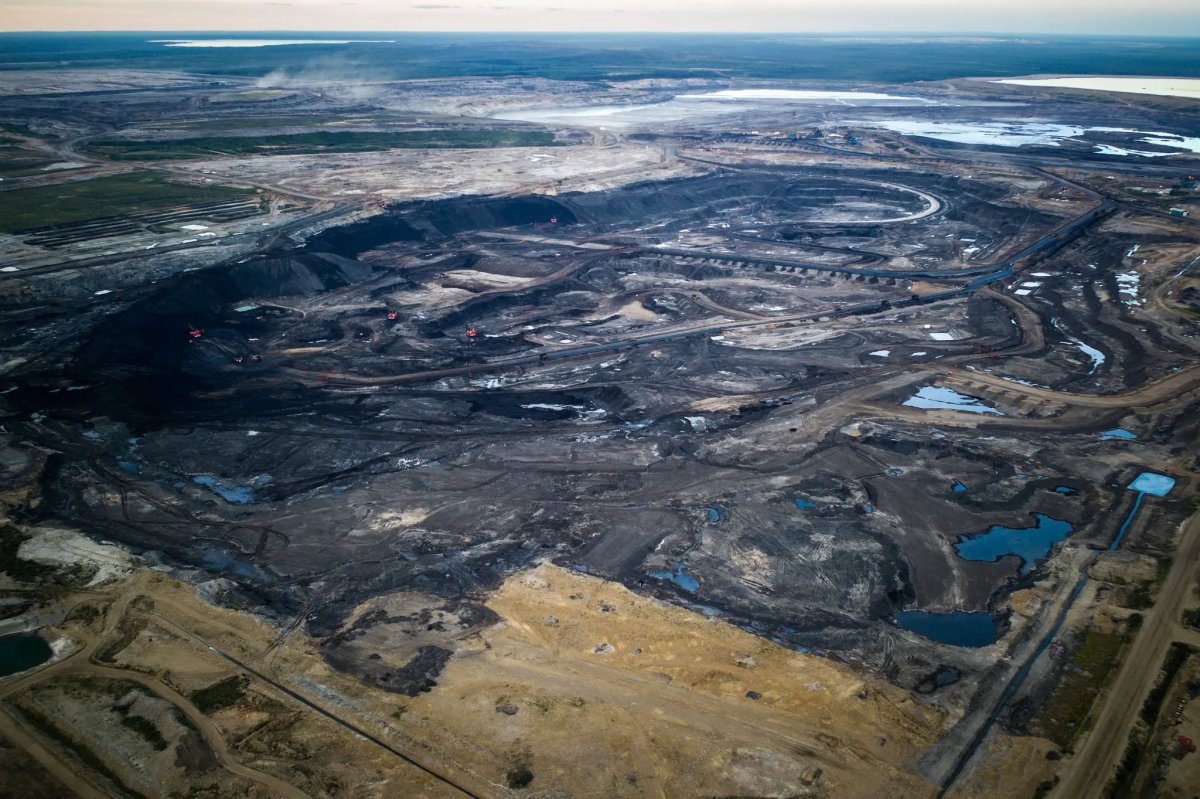
Twenty-four Canadian, American, and Chinese researchers contributed to an alarming study published by the prestigious journal Science in 2024. The team included scientists from Environment and Climate Change Canada, National Research Council Canada, Yale University, Harvard University, and Peking University.
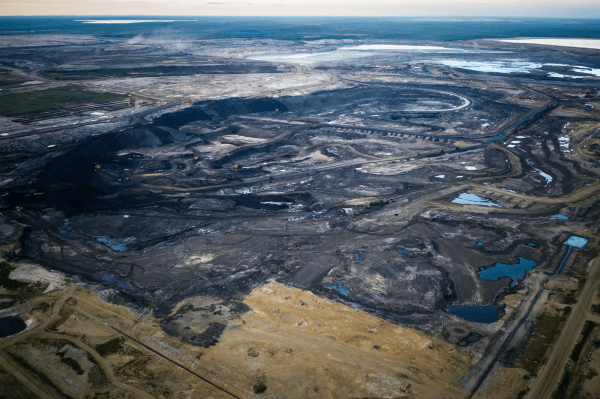
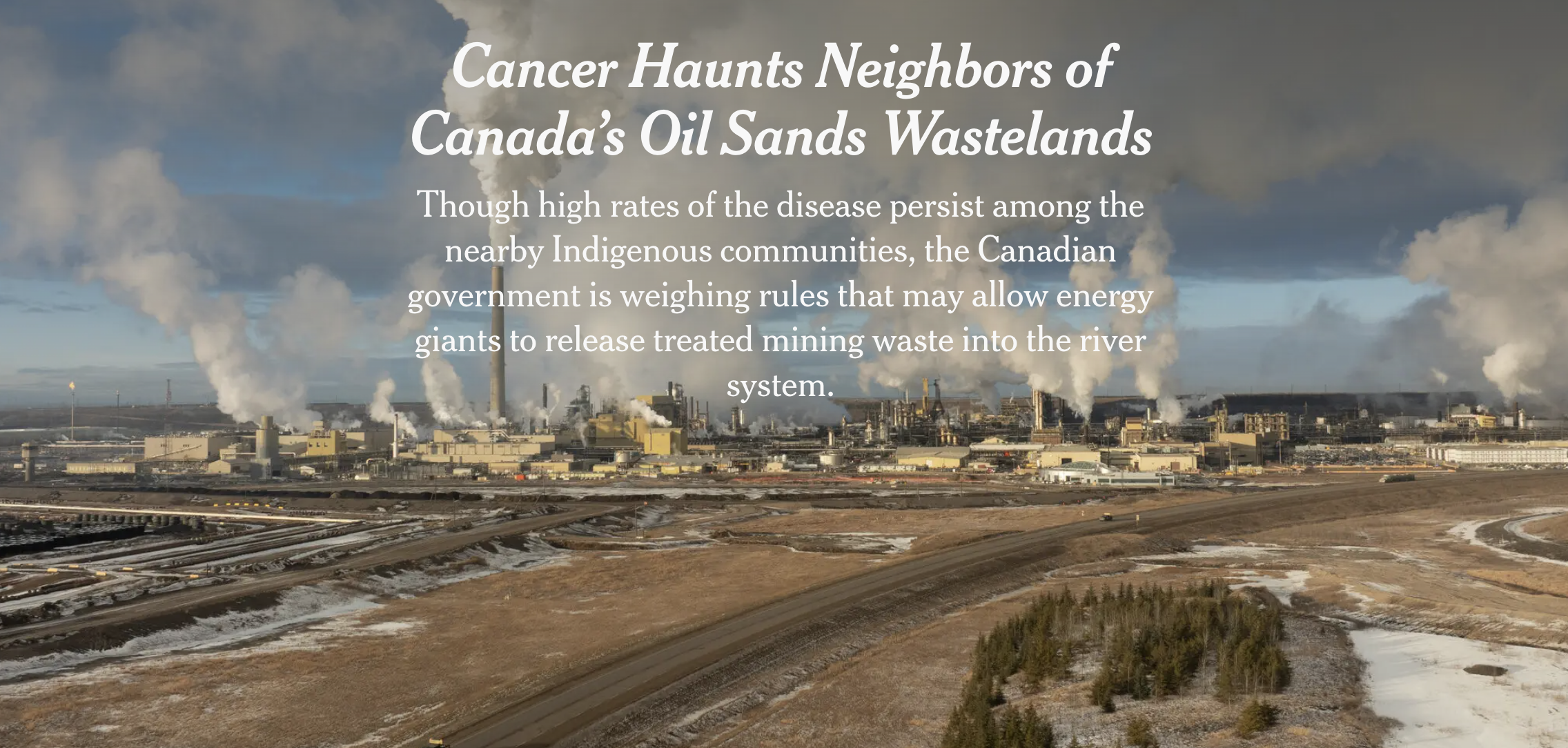
Their study found that emissions from Alberta’s oilsands may be far greater than regulators and the public have been led to believe. Aircraft measurements revealed gas-phase organic carbon emissions up to 64 times higher than official estimates reported by the industry.
Total organic carbon emissions in Alberta are equivalent to those from all other sources across Canada combined.
Gaseous organic compounds are associated with considerable air quality and environmental impacts through exposure to primary emissions and/or after their photochemical reactions and multigenerational oxidative transformations. The latter leads to secondary air pollution, including tropospheric ozone and secondary organic aerosol (SOA)—a principal component of particulate matter (PM2.5) linked to major health and climate effects.
Of course, this study has been ignored by the governments of Canada and Alberta, as was a 2016 study that also warned about pollution from tar sand vapours.