dailynewsnblog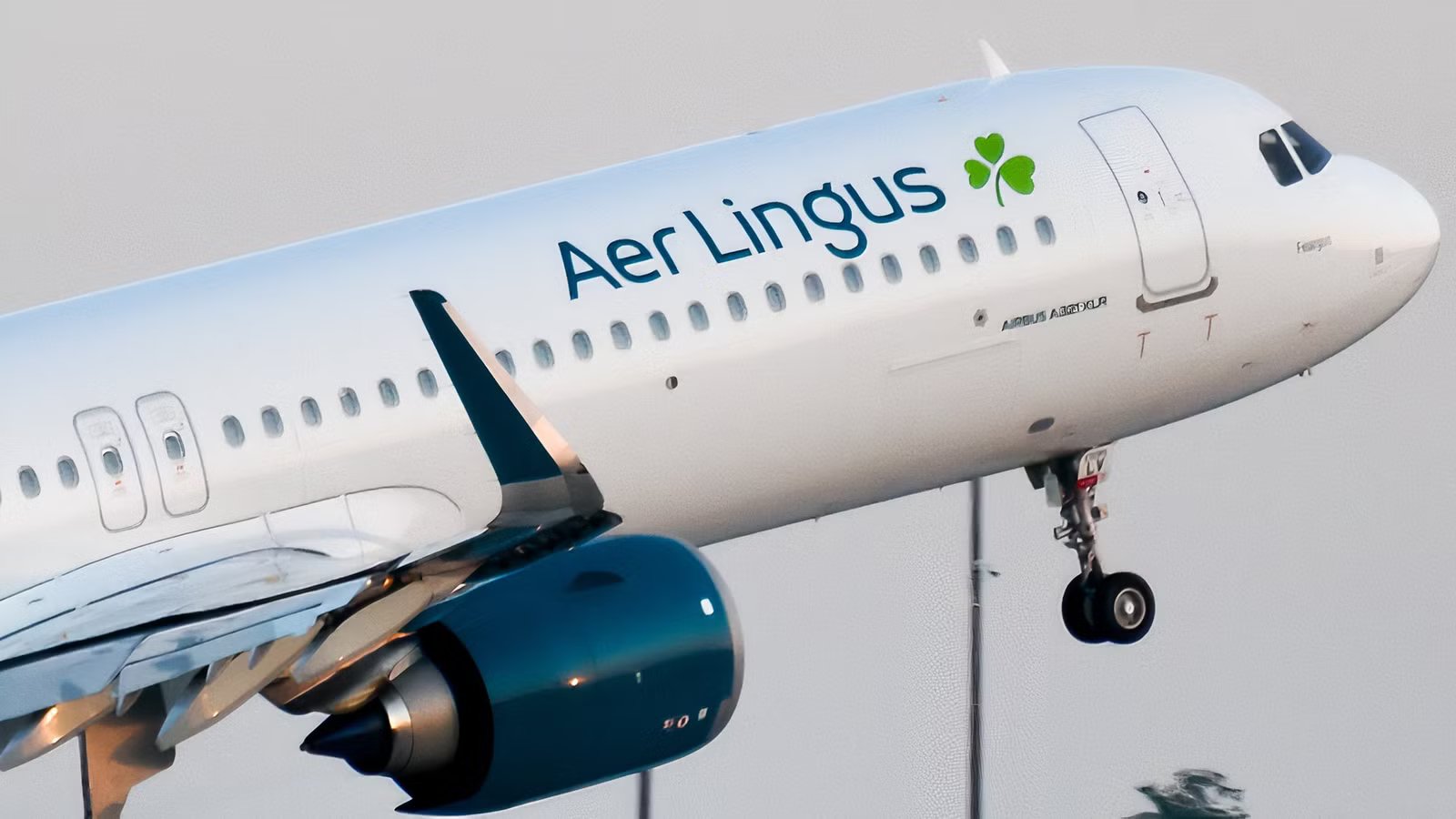
 Aer Lingus could be preparing for significant network reductions as mounting financial pressure forces the airline to review its operations, raising questions about whether its rapidly expanding US network may eventually face cuts. Reports from multiple outlets, including Yahoo Finance, indicate that the carrier is considering schedule reductions and staffing changes after falling short of profitability targets set by parent company International Airlines Group (IAG), although no specific routes or regions have been identified.
For now, there is no evidence that transatlantic services are the primary target. In fact, the US market remains one of the cornerstones of the airline’s network strategy and has been one of its fastest-growing segments in recent years. However, even if North American routes remain intact, reductions elsewhere in the network could still affect their performance by weakening the flow of connecting passengers that help sustain long-haul operations.
US Network Strategy Amid Potential Network Reductions

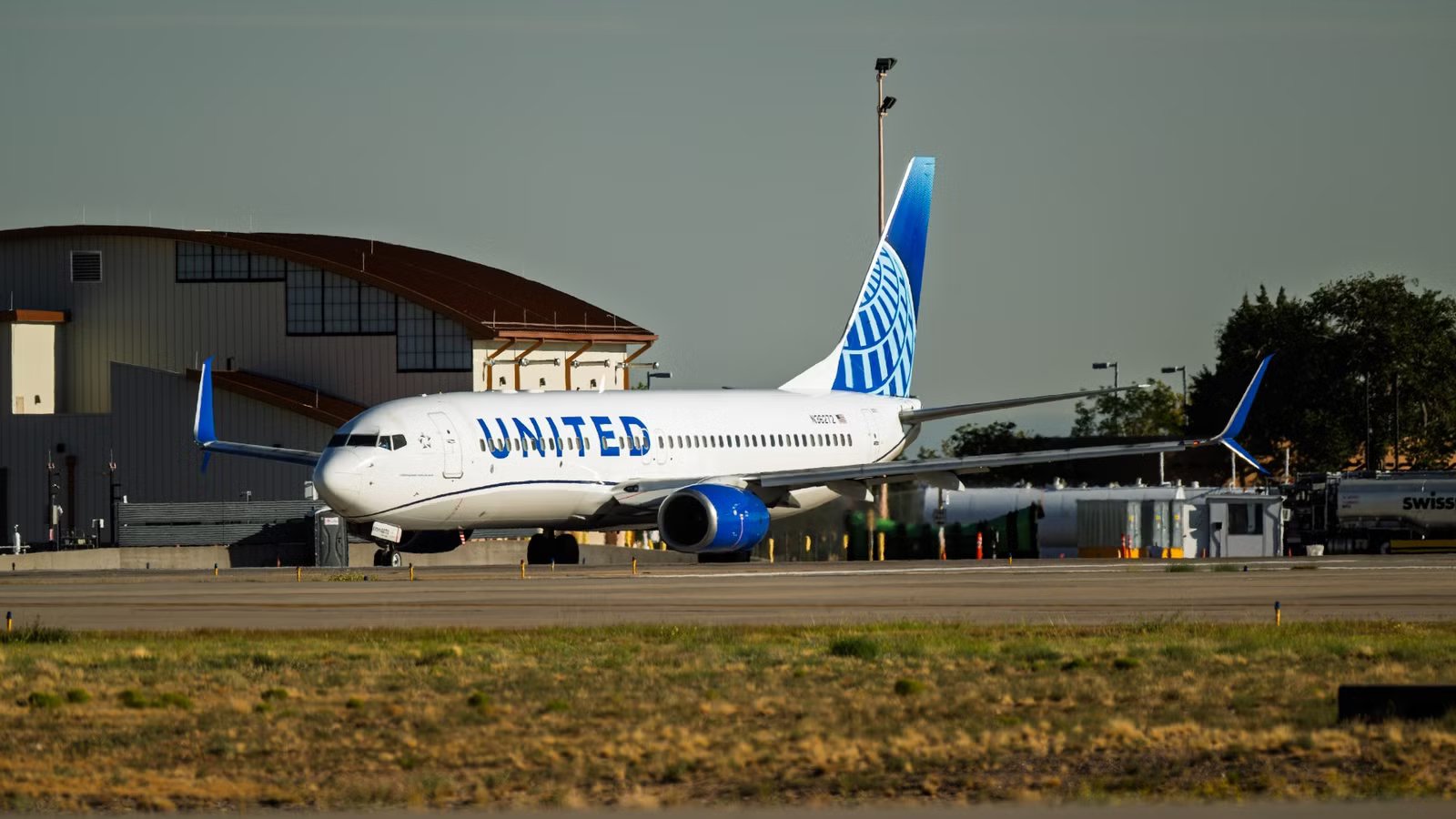
Aer Lingus has spent the past several years building one of the largest transatlantic networks in its history. The airline currently serves 17 destinations in the United States from  Dublin Airport (DUB) and Shannon (SNN), including major gateway cities such as New York, Boston, Chicago, Los Angeles, Miami, Orlando, Washington, Philadelphia, Seattle, Denver, Minneapolis, Pittsburgh (above) and Raleigh-Durham. The carrier also planned its largest-ever North American schedule for 2026, serving 26 destinations across North America and increasing frequencies on several established routes.
That growth reflects a deliberate strategy. Since joining IAG, Aer Lingus has positioned Dublin as a transatlantic connecting hub, leveraging US Customs and Border Protection preclearance facilities and Ireland’s geographic location in the North Atlantic. The airline attracts passengers traveling between North America and Europe and, as a result, long-haul flying has become increasingly important to the airline’s business model.
Aer Lingus Planned US Routes During August 2026 | |
|---|---|
Route | Weekly Flights |
DUB-JFK | 21 |
DUB-BOS | 14 |
DUB-IAD | 14 |
DUB-ORD | 14 |
DUB-BDL | 7 |
DUB-EWR | 7 |
DUB-LAX | 7 |
DUB-MCO | 7 |
DUB-MSP | 7 |
DUB-PHL | 7 |
DUB-SEA | 7 |
DUB-SFO | 7 |
SNN-BOS | 7 |
SNN-JFK | 7 |
DUB-CLE | 6 |
DUB-BNA | 5 |
DUB-DEN | 5 |
DUB-IND | 5 |
DUB-RDU | 6 |
DUB-PIT | 4 |
The scale of that expansion makes direct cuts to US services less likely than reductions in weaker parts of the network. Airlines typically protect their highest-revenue markets when seeking efficiency gains, particularly when those routes align with broader group strategy. Aer Lingus has not responded to Simple Flying’s request for comment for further clarity on the reports.
Financial Pressures Are Driving The Review

The discussion around network reductions stems from deteriorating financial performance. Aer Lingus reported a first-quarter operating loss of €103 million in 2026, almost double the loss recorded during the same period a year earlier. Management has acknowledged an ongoing review of costs and schedules, while internal communications to pilots indicated that winter 2026 capacity and even summer 2027 flying could be lower than current levels.
Reports suggest the airline has struggled to achieve the profit margins expected by IAG. Competition on transatlantic routes has intensified, particularly at Dublin, where rival airlines have added capacity and placed pressure on fares. Higher fuel costs and broader economic uncertainty have added further strain.
Catch what other flight trackers miss
Emergency squawks, holds, NOTAMs — live signals, no signup.
Open tracker
Catch what other flight trackers miss
Emergency squawks, holds, NOTAMs — live signals, no signup.
Open tracker
Recent decisions provide some indication of management’s thinking. Earlier this year, Aer Lingus closed its Manchester long-haul base, ending services to New York, Orlando and Barbados. While those routes generated positive returns, their margins reportedly lagged behind the rest of the airline’s long haul network, leading management to redeploy resources elsewhere.

Only 63% Full: Aer Lingus’ 10 Emptiest US Routes Revealed [Updated]
How many of them can you guess? There are some intriguing entries…
Indirect Effects May Matter More Than Direct Cuts

The greater risk to Aer Lingus’ US operation may not be the loss of transatlantic routes themselves but a reduction in the short-haul network that feeds them. Many passengers traveling between North America and Europe connect through Dublin to destinations across the United Kingdom and continental Europe. If frequencies are reduced or certain European routes disappear, the pool of connecting traffic available to support long-haul flights would shrink accordingly.
This dynamic is particularly important because Aer Lingus relies on a combination of local Irish demand and connecting passengers. A smaller European network could reduce the attractiveness of Dublin as a transfer hub, even if all current US destinations remain on the map. There are also signs that management is pursuing targeted efficiency measures rather than a wholesale retreat from growth markets. Aer Lingus has already made limited schedule adjustments on parts of its European network and has undertaken cost-cutting initiatives among management ranks. Those actions suggest the airline is seeking to improve profitability without immediately dismantling its transatlantic strategy.
At present, reports of substantial network cuts remain just that: reports. Yet given the central role of North America in Aer Lingus’ business, any future restructuring will be watched closely on both sides of the Atlantic. Even if US routes escape direct reductions, changes elsewhere in the network could still reshape the economics of one of Europe’s fastest-growing transatlantic operators.