dailynewsnblog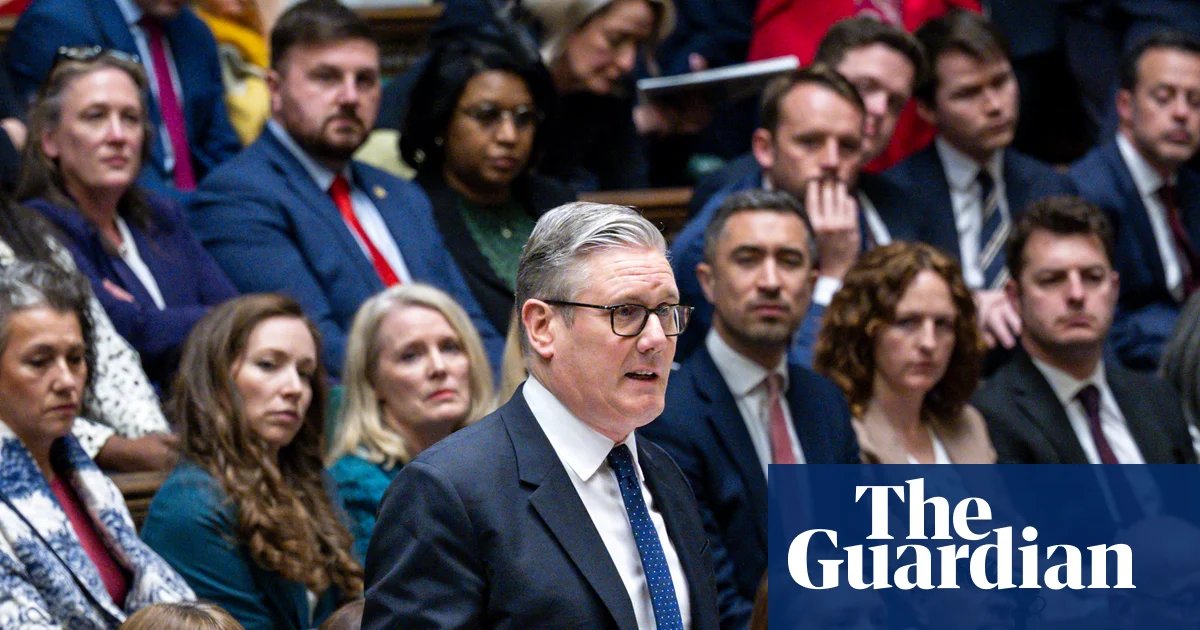
Keir Starmer has accused Olly Robbins of deliberately and repeatedly obstructing the truth about the Mandelson vetting scandal before a high-jeopardy appearance of the sacked top official before MPs on Tuesday.
Six days after the prime minister said he had learned that his pick for Washington ambassador had failed security vetting, Starmer admitted his decision to appoint him had been a fundamental mistake.
But in a sombre address to parliament, he insisted the Foreign Office was to blame for a “staggering” and “incredible” decision not to brief him, or anybody else in Downing Street, about the vetting advice.
Starmer told MPs that the vetting information had now been handed to the trusted Intelligence and Security Committee (ISC), which is expected to assess it before returning it to the government within days for public release.
The Guardian understands this includes a short summary document including details of Mandelson’s personal life, and financial and business dealings – which the prime minister is also believed to have now seen – as well as the recommendation that Mandelson had failed vetting.
The ISC is expected to push for further information, which could include an audit trail of who within government knew what, and when, about the vetting decision, as well as minutes of any meetings held by Robbins within the Foreign Office on the affair.
Lord Beamish, the chair of the ISC, asked Lords ministers to also release documents relating to the decision-making process within the Foreign Office, which his committee had been told by the Cabinet Office did not exist.
“Can I stress, if it does exist, can you expedite that information to ensure it reaches us as soon as possible?” he said.
Labour MPs have been furious at the resurfacing of the scandal at a time when the prime minister had rebuilt some goodwill over his handling of the Iran crisis. Many said they believed that he had been in the dark but it was an unwelcome reminder of the fundamental misjudgment in Mandelson’s appointment.
During a dramatic day in Westminster, which included two hours of questions from MPs after Starmer’s statement to a packed Commons chamber, it emerged that:
He has ordered an investigation into any security concerns over Mandelson’s tenure in the top diplomatic role amid concerns over potential leaks.
Robbins, who was the most senior official at the Foreign Office before he was sacked last week, did not tell his boss, the then cabinet secretary, Chris Wormald, about the vetting failure even when Wormald was conducting a review into the process last September; nor did Robbins tell any other No 10 official or aide.
Simon Case, Wormald’s predecessor, had advised Keir Starmer to complete Mandelson’s security vetting before his appointment as ambassador – but was ignored.
Robbins overturned the United Kingdom Security Vetting (UKVS) decision to fail Mandelson just 24 hours later, giving little time for any potential mitigations to be put in place. The Foreign Office has now been stripped of this power.
Starmer claimed that he had not misled the Commons over Mandelson, despite admitting his previous version of events was wrong.
In his statement to MPs, Starmer said: “A deliberate decision was taken to withhold that material from me. This was not a lack of asking. This wasn’t an oversight. It was a decision taken not to share that information on repeated occasions.”
The prime minister said it was “frankly staggering” he was not told. While he accepted “sensitive, personal information” provided during the vetting process should be protected, he rejected the idea that ministers could not be told the overall recommendation.
His position puts him on a collision course with Robbins, who is due to appear on Tuesday at a high-stakes hearing of the Commons foreign affairs committee (FAC), with Downing Street braced for any new revelations from the former permanent secretary that could derail its plan to get the government back on track.
Starmer had appointed Mandelson before Robbins even took up his role as Foreign Office chief, and also before security vetting had taken place, with senior officials telling the Guardian that it was clear to them that No 10 wanted Mandelson in Washington whatever the risk.
The Labour MP Emily Thornberry, who is chair of the foreign affairs select committee, told MPs that security appeared to have been a “secondary consideration” for Downing Street during the appointments process.
“Doesn’t this look like, for certain members of the prime minister’s team, getting Peter Mandelson the job was a priority that overrode everything else?” she asked. Starmer replied that had he known, he would have blocked Mandelson going to Washington.
Robbins is expected to argue on Tuesday morning that he was following established practice when he gave his approval to Mandelson’s security clearance, and that he could have broken the law by telling No 10 about it.
Sources close to him say he is not planning to drop any bombshells in front of the committee but will answer the questions asked of him honestly. He will push back on the fact that Mandelson “failed” his security vetting, arguing the final decision on clearance was his to make.
Senior Whitehall officials have criticised Starmer’s decision to sack Robbins for – in their view – following the rules, and suggested the move had sent a chill through the civil service.
One senior Labour source said they thought the prime minister would survive the next few days, despite the Mandelson scandal amounting to one of the most significant crises of his leadership, but that the long-term consequence would be toxic relations with Whitehall.
“The Foreign Office will be feeling very bruised by this and typically what happens when ministers lose the confidence of their officials, those officials tend to spend the rest of the time leaking like billy-o,” they added.
Labour MPs told the Guardian they did not believe that Starmer’s performance had “moved the dial” in favour of a leadership challenge that many are convinced will come before the next election, but not imminently.
“I think we are in broadly the same place – that there are significant questions over the prime minister’s judgment here that it will be hard to overlook, but also that the situation in the world right now means that he’s safe for now,” one former minister said.
“Every day something like this happens, it tips the balance of the PLP away from Keir,” another said. “But it doesn’t make any of his rivals any more plausible.”
Allies of the prime minister said they believed Starmer would weather this particular scandal. “I think we’ve learned that candour is our friend at these moments, and you can see his obvious frustration that he can’t even be as candid as he wants to be,” one adviser said.
But several MPs said they were sceptical of any real remorse from the prime minister after receiving a series of planted suggested questions from whips – including several invoking quotes from Jeffrey Epstein’s victims. “Absolutely grotesque to pretend that they gave a fuck about the victims at any point,” one MP said.