dailynewsnblog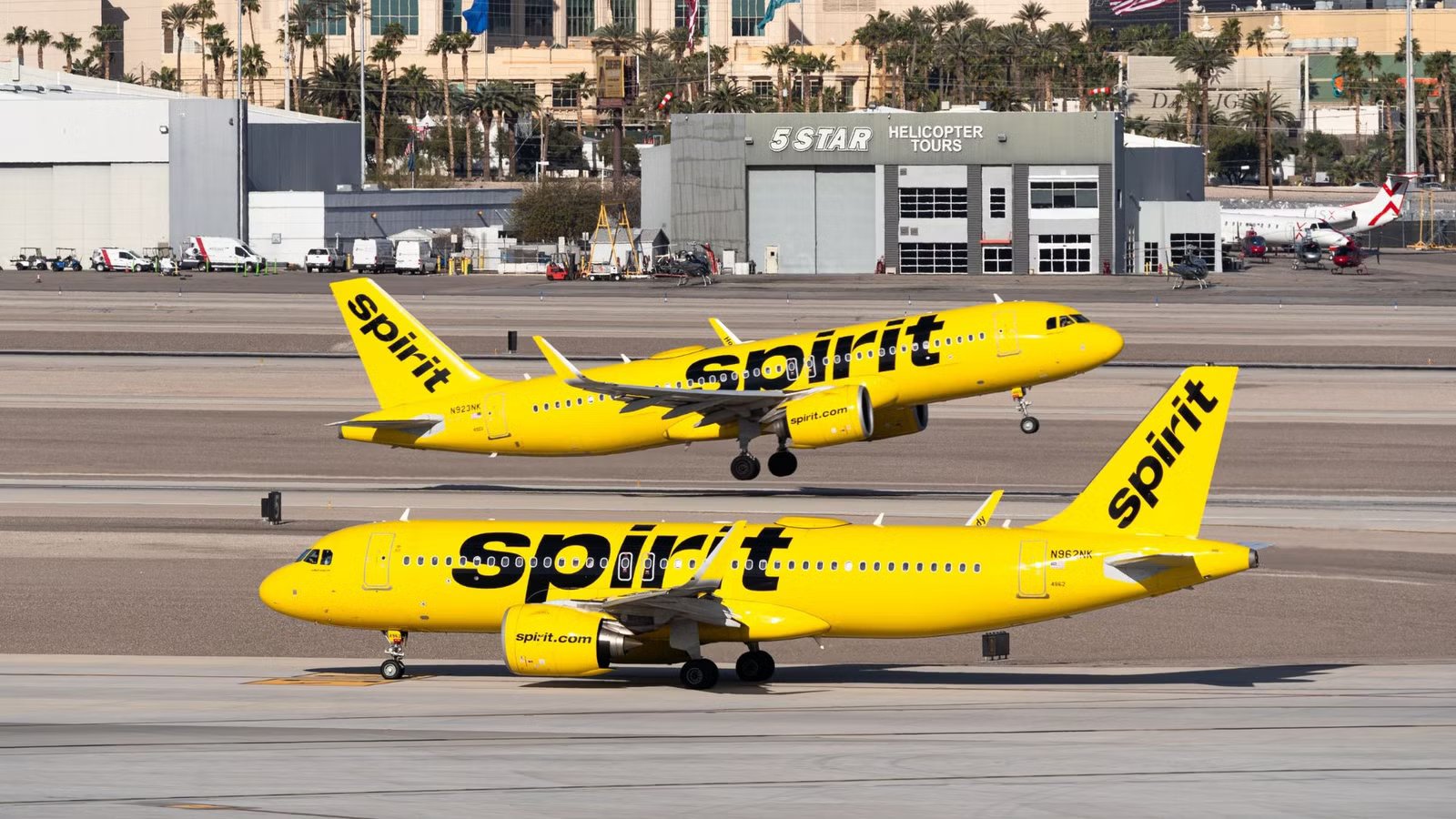
For years, inexpensive air travel in the US depended heavily on carriers, such as Spirit Airlines, willing to operate with extremely thin profit margins. Travelers became familiar with eye-catching fares that sometimes cost less than a tank of gas, making short domestic flights affordable for millions of passengers. Those deals helped reshape consumer expectations, creating a market where many people assumed cheap tickets would always be available.
Now that assumption is being suggested, according to CNBC report. Concerns are growing that Spirit’s demise is signaling a major shift in the economics of US air travel. While Spirit was not among the country’s largest airlines, industry observers argue that its impact on ticket pricing was far greater than its size alone would suggest. The disappearance of one of America’s most recognizable budget carriers may alter pricing dynamics across hundreds of routes.
Spirit Airlines: From Budget Giant To Collapse

Spirit built its brand around one simple idea: offer the lowest possible starting fare and allow customers to pay separately for additional services. Checked baggage, carry-on luggage, seat selection, and onboard extras became revenue streams in their own right. That approach transformed Spirit into one of America’s best-known ultra-low-cost carriers and helped create a travel market where exceptionally low advertised fares became common.
Spirit had grown into a significant player in US aviation, carrying approximately 44.2 million passengers in 2024 and generating revenue of around $4.8 billion. However, the airline’s financial picture deteriorated rapidly. By 2025, annual revenue had dropped to approximately $3.7 billion while passenger traffic declined to roughly 32 million travelers. The company also significantly reduced its fleet during restructuring, shrinking from more than 200 aircraft as it struggled to stabilize operations before its eventual collapse and permanent shutdown in May.
Kyle Potter, Editor of Thrifty Traveler, told CNBC that the “‘Golden Age'” of travel may be returning.
“I think Spirit’s demise last month signals the start of a new era — maybe, a return to the so-called ‘Golden Age’ of travel … and one that many everyday flyers may not like.”
Why Spirit’s Presence Influenced Prices Across The Industry

Spirit’s importance extended beyond the number of people flying on its aircraft. Although its market share was smaller than industry giants such as  American Airlines,
  Delta Air Lines, and
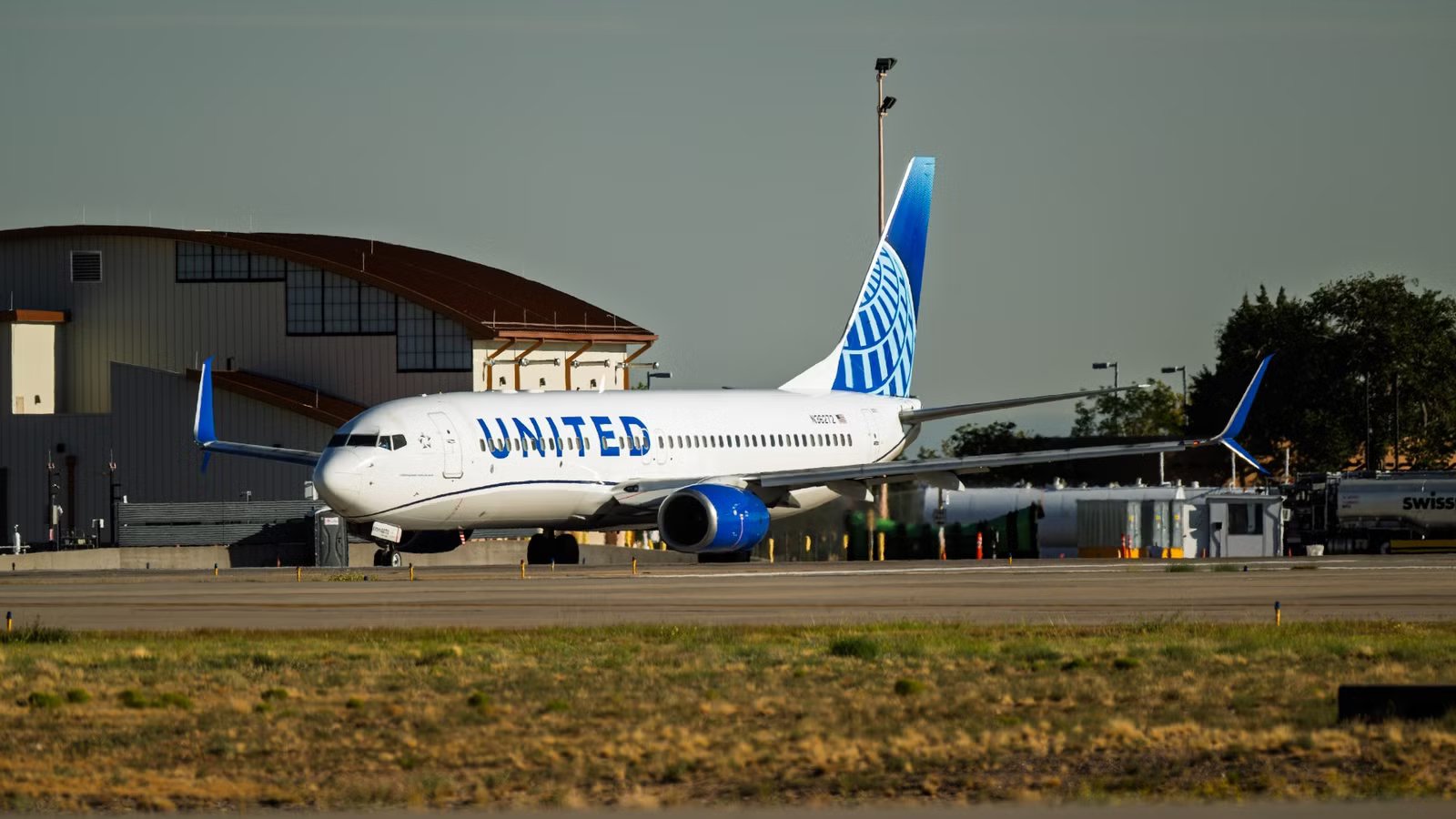
  United Airlines, the carrier still represented nearly 4% of the US domestic market in 2025 and ranked as the country’s seventh-largest airline by passenger volume. Even a limited capacity from a low-cost carrier could influence ticket prices on competing routes.
The airline’s aggressive pricing strategy often forced larger competitors to respond. A traveler may never have booked a Spirit ticket and still benefited from its presence because airlines commonly adjusted fares whenever Spirit entered or expanded service on a route. The effect created competitive pressure that reached far beyond Spirit’s direct customer base.
The collapse also raised concerns about capacity reductions across the broader market. Some estimates suggest Spirit’s disappearance could remove several percentage points of domestic seat availability, depending on how quickly competing carriers absorb routes and aircraft. Even relatively small capacity reductions can influence pricing, particularly on leisure-heavy routes where travelers tend to be highly price sensitive.
Spirit Airlines’ LaGuardia Slots Are Worth $87 Million, But Maybe Not To Budget Carriers
Regulators would prefer Spirit’s former presence at LaGuardia to be replaced by another low-cost airline to keep fares affordable.
Not So Low-Cost Alternatives?

Pressure from fuel costs is creating another challenge for low-cost carriers such as Frontier Airlines and JetBlue Airways as they attempt to fill the gap left by Spirit. Jet fuel prices have emerged as a major burden across the airline industry in 2026, with smaller carriers often facing a greater impact because they lack the operational scale and financial flexibility available to larger rivals. Data from the Department of Transportation (DOT) showed that airlines sharply increased fuel spending earlier this year, highlighting the strain on operating budgets. US carriers collectively spent approximately $5.06 billion on jet fuel in March, up 56.4% from $3.23 billion in February. The March figure was also about 30% higher than the amount airlines spent during the same month in 2025.
For airlines operating on thin margins, those increases can quickly become difficult to absorb. Budget carriers traditionally rely on high passenger volumes and low fares to remain competitive, but sudden cost spikes can significantly narrow profitability. Unlike larger network airlines, which may have broader revenue sources from premium seating, international routes, and business travel, many low-cost operators have fewer ways to offset rising expenses.
As a result, some discount airlines could gradually increase fares or rely more heavily on additional charges to protect earnings. While low-cost travel options are unlikely to disappear entirely, higher fuel prices combined with labor costs, maintenance expenses, and airport fees may make the next generation of ultra-cheap fares harder to sustain.