dailynewsnblog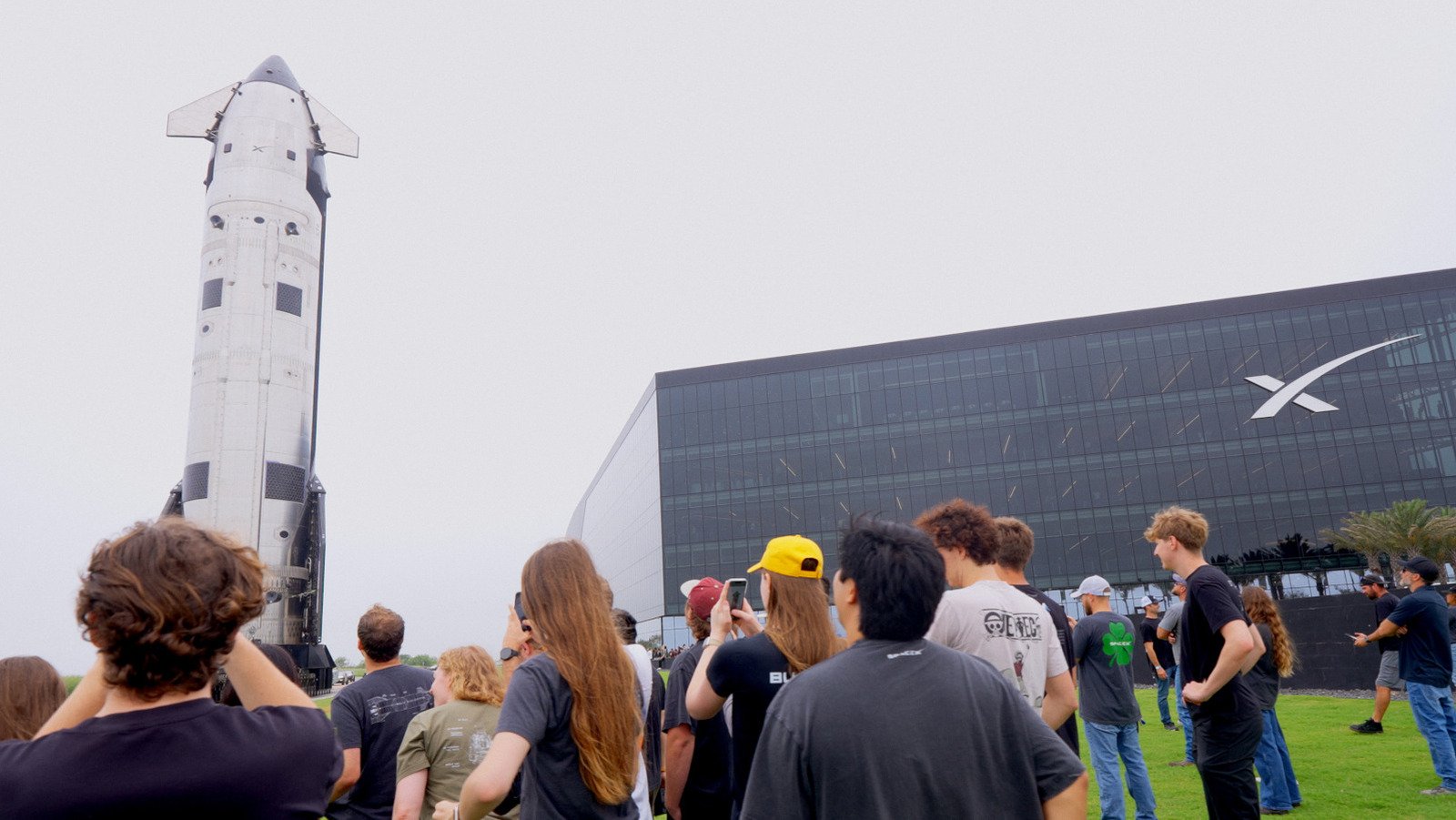
Valuing the company at $1.75 trillion.
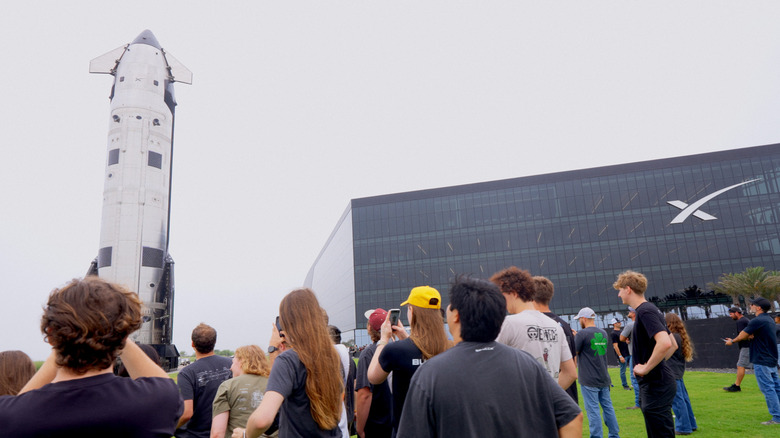
SpaceX has set a price of $135 for shares that will be sold in its upcoming initial public offering, the company has revealed in its amended filing. According to Reuters and The New York Times, it’s unusual for companies to set a concrete price a week before it goes public, and they just typically set a price range in case of shifts in investor demand .
The company could still change the price of its shares. It will announce the final price on June 11, with stocks trading the next day. If SpaceX’s stocks do sell for $135, it’s expected to raise $74.4 billion from the IPO, making it the biggest in history and giving the company a valuation of approximately $1.75 trillion. It could also make Elon Musk the very first trillionaire. With shares trading at $135, Elon Musk’s 50 percent stake in the company would be worth around $752 billion.
Those are amounts most ordinary people could hardly comprehend. Matthew Kennedy, a senior IPO market strategist at Renaissance Capital, told The Times that raising $74.4 billion would be “more than every US IPO combined in the last two years.”
SpaceX quietly filed draft IPO registration paperwork with the US Securities and Exchange Commission earlier this year. When the paperwork became public, it shed light on the finances of Musk’s companies and their clients. Anthropic, for instance, will apparently pay the combined SpaceX-xAI entity $1.25 billion a month until May 2029 so that it could use xAI’s data centers. It also revealed that X, the social media website, saw a $595 million decrease in ad revenue in 2024 due to a “loss of advertising partners.”
The company is planning to use the money it raises from the IPO to fund its future projects, including its ambitions to build orbital data centers. SpaceX wants to launch 1 million satellites to operate as data centers powered by the sun. The plan is to put the constellation in sun-synchronous orbit at altitudes ranging between 500 and 2,000 kilometers, where there are no clouds and other weather events obstructing the sun. Musk said that orbital data centers will be the cheapest way to generate AI computer power within a few years, thanks to the declining costs of rocket launches and the fact that the data centers will be powered by solar energy.