dailynewsnblog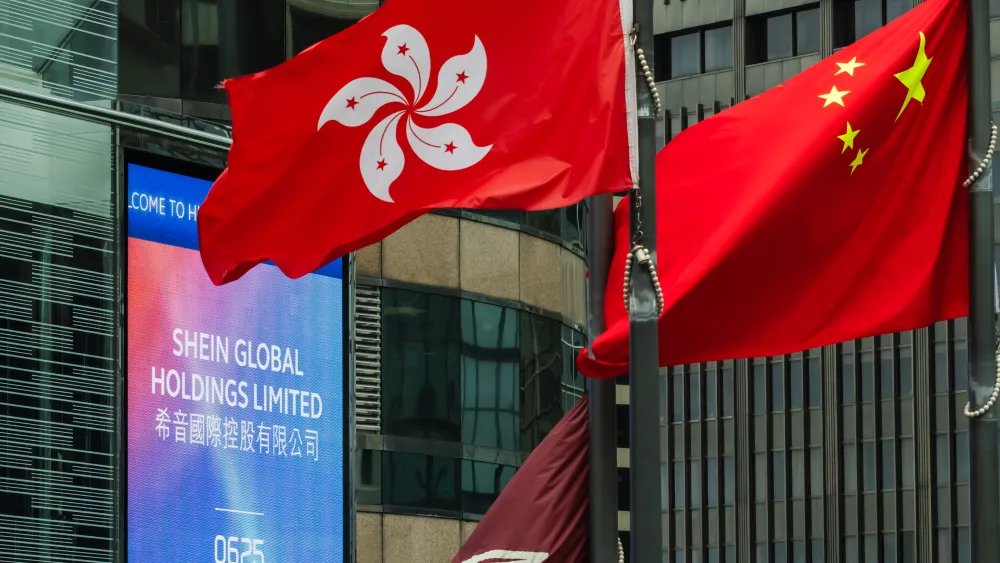
Shein made its long-awaited debut on the Hong Kong Stock Exchange on Tuesday, marking a new chapter for the Chinese company built on extremely cheap and ultra-fast fashion.
Shein sold about 280 million shares at 48.56 Hong Kong dollars, or $6, per share, raising around 13.6 billion Hong Kong dollars, or around $1.74 billion.
At IPO price, the company was valued at around $26.3 billion — roughly a quarter of its $100 billion valuation at its peak in 2022.
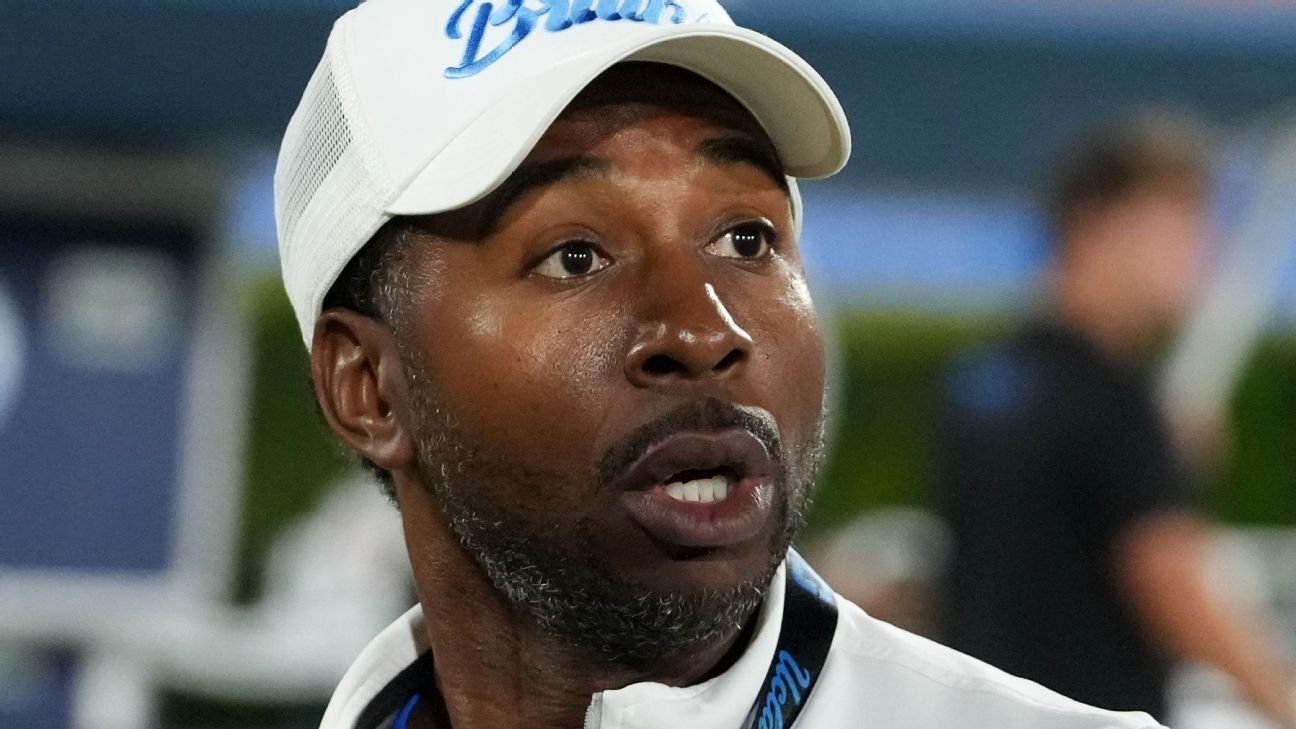
The company’s mysterious founder and chief executive officer Xu Yangtian remained largely out of the spotlight at the HKEX bell-ringing ceremony, allowing his senior executives to speak on his behalf.

Shein founder and CEO Xu Yangtian, center, at the HKEX bell-ringing ceremony.
Screenshot/Weibo
The company said that 80 percent of IPO proceeds will be used for enhancing technological capacities and raising global brand awareness.
As one of the largest online fashion platforms in the world, Shein shares plunged as much as 10 percent after its market debut, underscoring a challenging outlook as tariff pressures weigh on profitability and sustainability concerns continue to mount.
According to its prospectus, Shein’s revenue grew 8 percent to $41.8 billion in 2025, down sharply from 21 percent growth in 2024 and 41.1 percent in 2023. In the first quarter of 2026, revenue rose just 1.1 percent to $9.05 billion, while the company swung to a net loss of $99 million from net income of $395 million a year earlier.
Contending with slower growth, higher fulfillment and compliance costs, tariff and import restrictions, and ongoing regulatory scrutiny, Shein’s net profit fell 38.7 percent to around $2.06 billion in 2025.
The U.S. ended the de minimis exemption that had allowed packages valued below $800 to enter the country without import duties, while the European Union also moved to impose fees on low-value e-commerce imports.
Revenue in the U.S., historically one of Shein’s most important markets, declined 14 percent in the first quarter, while the European Union grew slightly to account for around one-third of total sales.
Shein, which is essentially a marketplace business, connects a vast network of small garment manufacturers with consumer demand while keeping inventory risk low, with some of the production and inventory burden sitting with its suppliers, according to social media posts shared by Shein vendors on Xiaohongshu.
The company built its reputation on an agile supply chain in which small batches could be produced, tested and replenished at unprecedented speed, allowing it to respond to shifts in consumer demand with far less exposure to unsold stock.
Based on real-time sales data and consumer feedback, Shein starts with an initial order of around 100 to 200 items, then determines which styles should be reordered and restocked — in as short as five days.
Shein began testing the algorithm-driven manufacturing model as early as 2014, which was later branded LATR, or “large-scale automated test and reorder.”
In 2025, Shein’s inventory turnover stood at 36 days, compared with 71 days for Zara operator Inditex, 114 days for Uniqlo owner Fast Retailing, and 164 days for Adidas, according to figures provided by Shein to a local media outlet.
At the heart of the Shein model is a vast network of contract manufacturers based in the southern province of Guangdong, in particular Guangzhou’s Panyu and Haizhu Districts — home to one of the world’s most dynamic manufacturing hubs.
According to local urban lore, Shein began selling leftover garments and formed its early supply chains.
According to Shein filings, the company worked with 7,500 contract manufacturers in 2025.
Operating at scale, Shein offered more than 2 million product listings as of March 2026, adding roughly 4,700 items a day while keeping unsold inventory in the low single digits, according to the company’s prospectus.
After efforts to offshore and nearshore production — including building out manufacturing infrastructure in Vietnam, Brazil, Mexico and Turkey — faced productivity challenges, Shein has continued to rely heavily on Chinese manufacturing.
In 2025, the company began refocusing its supply chain in Guangdong, announcing a 10 billion renminbi, or $1.4 billion, smart-manufacturing hub in Zhaoqing, Guangdong province.
In an effort to diversify and become less dependent on selling ultra-cheap fast fashion, the company began an incubation program called Shein Xcelerator in 2025, in which the company opened its supply chain and infrastructure to external brands and designers. Service revenue accounted for 14.3 percent of total revenue in the first quarter of 2026, up from just 2.7 percent in 2023.