dailynewsnblog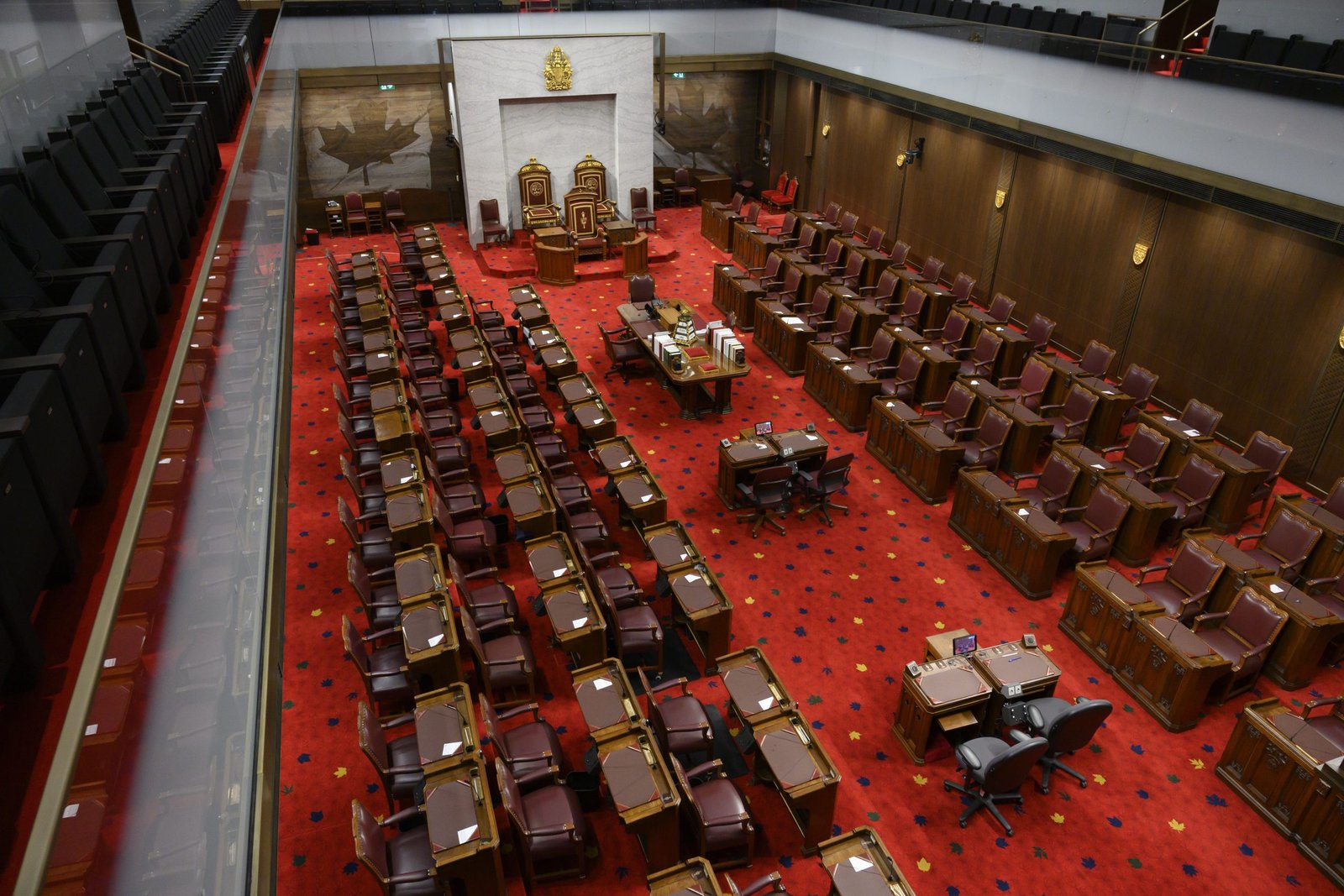
The move mirrors a House decision to bypass standing committees and create a committee devoted solely to Bill C-39.
A special senate committee will be formed to study the federal government’s Building Canada Strong Act, the 246-page bill tabled on the first day of the fall sitting.
On Tuesday, the Senate voted to create a special committee to study the proposed legislation once it clears second reading in the House, which could happen as early as this week.
The committee will include 15 Senators, including three from the Opposition, six from the Independent Senators, three from the Progressives and three from the Canadian Senators.
The committee will have the power to compel witnesses, publish documents and evidence, and issue reports, including one recommending that the Senate not proceed with the bill, if it comes to that.
Senate pre-studies are rare for non-budget bills.
Bill C-39 builds on the powers set out in its predecessor, Bill C-5, which also sought to speed up project approvals. It would change parts of the assessment and permitting processes, including by consolidating multiple approvals into a single conditions document for projects located in “regions of national interest.”
The aim is a decision within one year of a proponent submitting all the required documentation for any given project. The bill also changes when the job minister can intervene in a labour dispute.
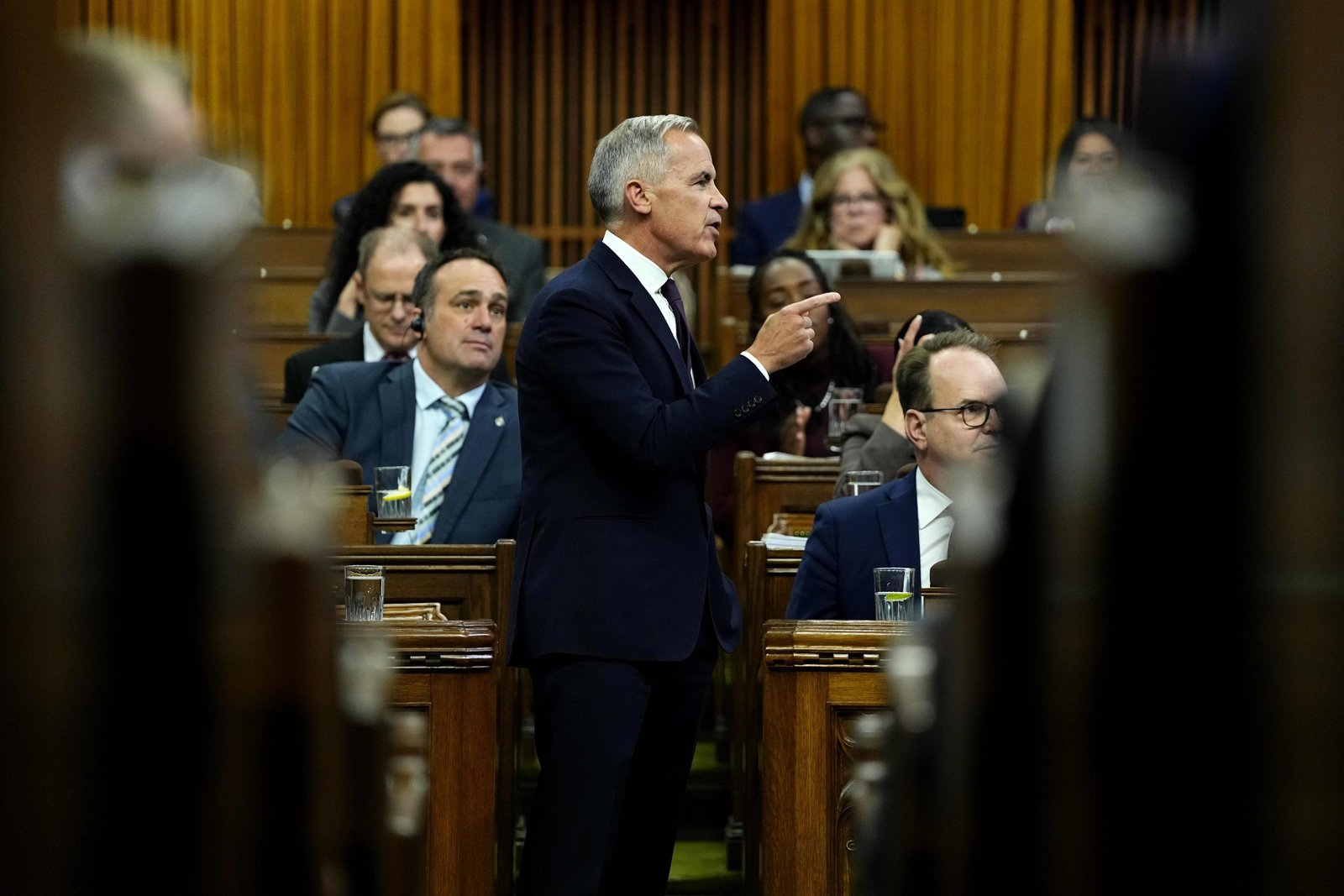
The bill is also set for an unusual passage through the House, where the Carney Liberals created a special legislative committee to study it, bypassing the existing standing committee system.
Asked why the government is departing from the usual committee process, Government House Leader Steven MacKinnon downplayed the move.
“The motivation for doing it this particular way was to have a committee that would devote itself exclusively to this entire bill,” he said while speaking to reporters outside the House of Commons.
READ MORE: What to expect from the yet-to-be-struck legislative committee set to review the Liberals’ latest omnibus bill?
A legislative committee can only examine the bill that triggered its creation, with no tangents, fact-finding missions or opposition-initiated investigations, although members can put forward amendments. This format will make it harder for opposition MPs to delay proceedings by trying to focus on other business.
The committee can also establish its own timeline for conducting its review, which, given the rejigged seat allotment, would ultimately be determined by the Liberals at the table, who, as is the case at standing committees, will hold a one-vote majority.
The Standing Committee on Procedure and House Affairs had to meet by Tuesday to prepare a list of who will sit on the committee. It’s not clear yet who will make the cut, although the standing orders say there can be no more than 15 members.
With files from iPolitics’ Kady O’Malley