dailynewsnblog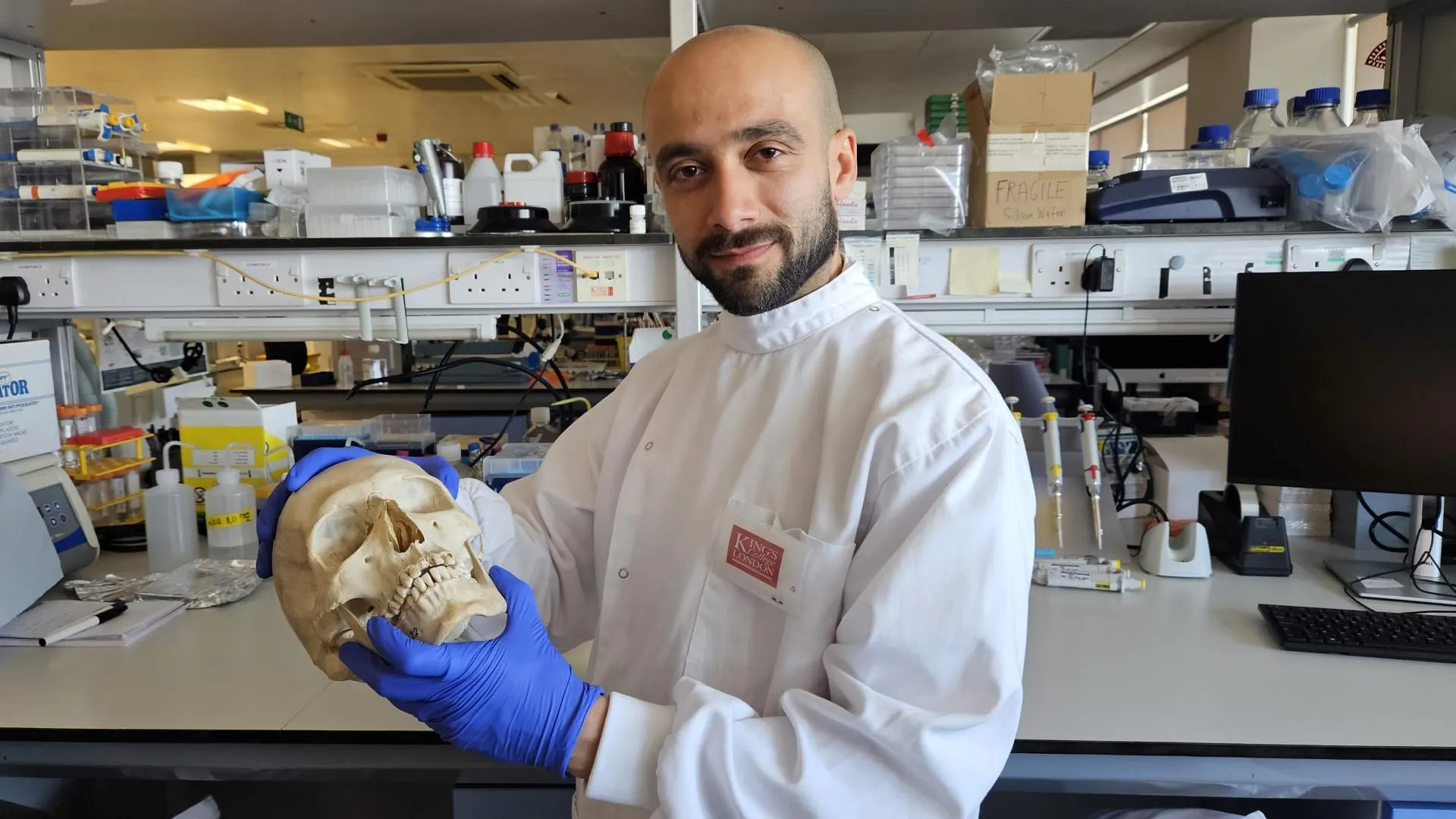
Scientists have found that wool could provide an effective and sustainable new option for repairing damaged bone.
The research focused on keratin, a natural structural protein that can be extracted from wool. When tested in a living animal, the material supported bone regeneration and produced new tissue that more closely resembled healthy, natural bone than tissue formed using the current gold standard material.
Researchers at King’s College London tested the wool-based keratin in animal models and found that it could help direct new bone growth across damaged areas.
“We are really excited to show for the first time how a wool-based material has been successfully tested in a living animal to repair bones,” said Dr. Sherif Elsharkawy at King’s Faculty of Dentistry, Oral & Craniofacial Sciences.
Wool Offers a Sustainable Source for Bone Repair
Beyond its potential medical benefits, wool could offer an important sustainability advantage. It is a naturally derived material and is often discarded as waste by the farming industry, giving it potential as both a renewable and scalable resource.
For decades, collagen has served as the gold standard scaffold in many regenerative medical and dental applications. These scaffolds act as protective barriers during healing, keeping soft tissue from interfering with the damaged area while giving new bone space to grow.
Collagen, however, has several drawbacks. The material is relatively weak and may degrade too quickly, which can limit its usefulness when repairing bones that need to bear weight or withstand force. Extracting collagen can also be complicated and costly.
“From a research perspective this is a major milestone. It positions keratin as a potential new class of regenerative biomaterial that could challenge the long-standing reliance on collagen,” said Dr. Sherif Elsharkawy.
Testing Wool Keratin as a Bone Scaffold
To investigate whether keratin could overcome some of these limitations, the researchers created membranes from keratin extracted from wool. They chemically treated the material to produce scaffolds designed to remain stable and durable.
The membranes were first tested with human bone cells in the laboratory. The cells grew well on the material and showed clear signs associated with healthy bone formation.
Researchers then moved to animal testing. They implanted the keratin membranes into rats with skull defects that were large enough that they would not normally heal on their own. Over the following weeks, the team tracked how effectively the membranes supported new bone growth across the damaged regions.
Keratin Produced More Naturally Organized Bone
The results revealed an important difference between keratin and collagen. Collagen membranes generated a greater amount of bone overall, but the bone formed with the keratin scaffolds was more organized and structurally secure. Its fibers were also better aligned, giving the new tissue a closer resemblance to natural, healthy bone.
The keratin membranes also remained stable during the healing process and integrated smoothly with the surrounding tissue. Both characteristics are important if the material is eventually to be considered for practical medical applications.
“We’ve effectively demonstrated the technology in an animal model, which makes this much more than an early materials concept. It shows that keratin can support bone regeneration in a living biological system, bringing the technology significantly closer to use in real patients,” concludes Dr. Elsharkawy.