dailynewsnblog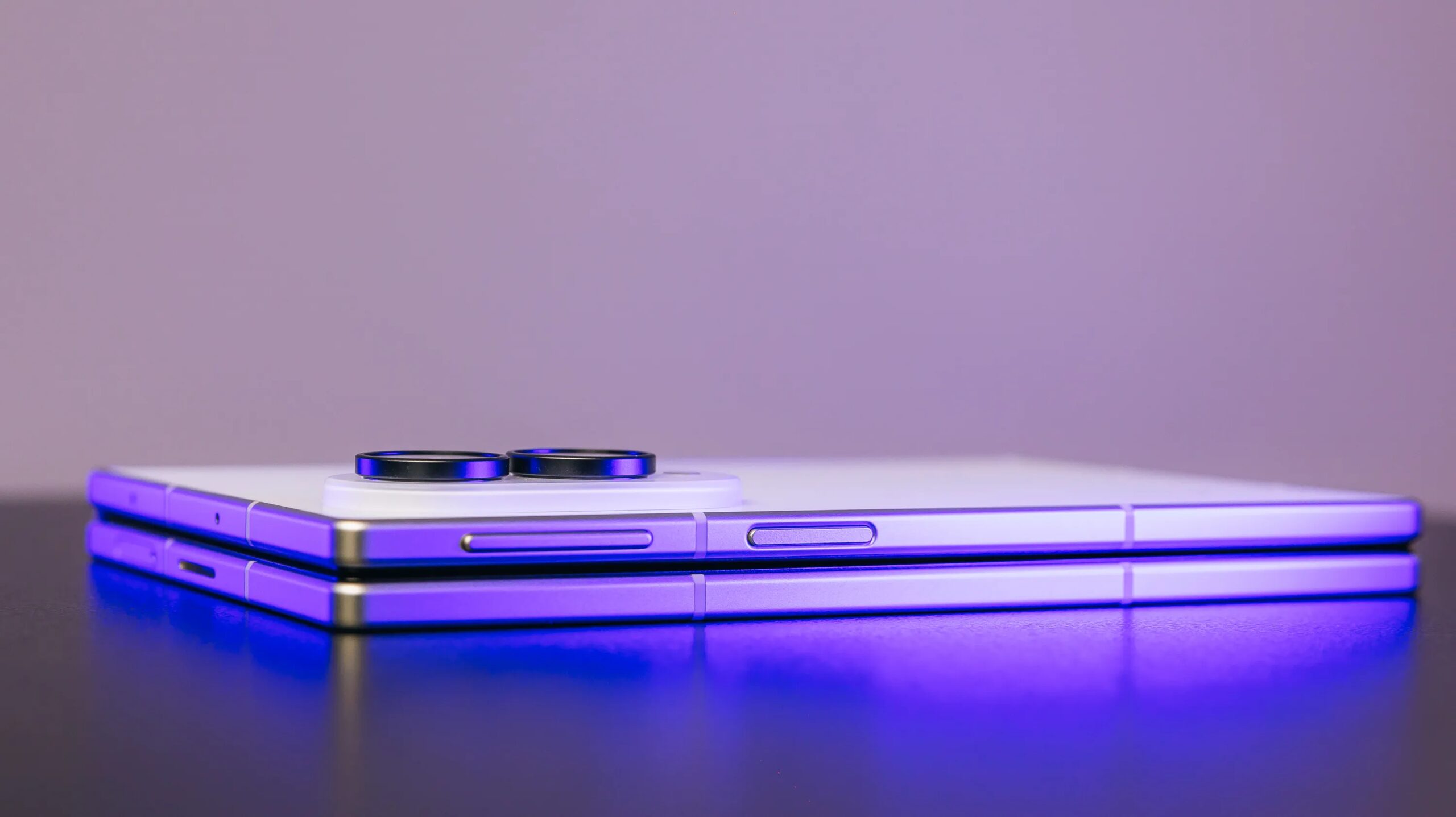
We’re living through a peculiar moment in consumer tech. Flat, glass phones are finally boring.
Walk through any city, and you’ll notice there’s a particular interest in returning to the past. There’s a resurgence of vinyl shops, the hipster renaissance of film and digital cameras, and Y2K fashion trends coming back around in full swing. Younger generations, especially, are gravitating toward the tactile, the analog and the intentional.
This extends to our gadgets, too.
There’s something about holding an object that demands interaction beyond a quick swipe, making technology feel less like a utility and more like a tool you want to pick up. After a decade of watching billions of people hunched over glowing glass rectangles, it seems like we’re all exhausted by the sameness of it.
That’s the zeitgeist that foldables are actually riding, and Samsung just figured out how to weaponize it.
The problem with foldables wasn’t the hinge
For years, people have dismissed foldables as expensive gimmicks that lack practicality, but I think they were looking at the wrong problem. The durability concerns were valid, sure. But the real barrier to mainstream adoption of foldables wasn’t engineering; it was the cover screen.
That cramped, portrait-oriented sliver of glass that was last year’s Galaxy Z Fold 7 felt more like gripping a remote control than a useful tool that makes life easier. Actually, the user experience was seriously lacking. Start typing, and your thumbs would get tangled. Watch a video, and the picture would feel distorted. It was a phone that didn’t want to be a phone, and a tablet that didn’t want to be a tablet.
The Galaxy Z Fold 8 changes that calculus entirely.
The new 10:16 cover screen and 4:3 main display aren’t just subtle tweaks. They’re a complete reset for making foldables appealing to the masses. Suddenly, you’re not using a weird device that feels like a fragile TV remote. The cover screen is actually usable for messaging and daily tasks. The inner display lands in that sweet spot where video playback feels immersive yet portable. And typing becomes intuitive rather than contorted.

This is what “form follows function” actually looks like — not as a design cliché but as a genuine solution to a real problem that’s plagued the foldable category since day one.
Samsung prepares for what’s coming
Apple is coming for the foldable.
The rumors are too consistent to ignore at this point, which means Apple is most likely slated to launch an iPhone Ultra (or iPhone Fold) with a foldable design soon, and it’ll probably boast the same passport-style layout everyone’s gravitating toward.
And if history is any guide, once Apple enters a category, the mountain becomes nearly insurmountable. It doesn’t always invent the category, but the company has an undeniable ability to redefine it, making everyone else look like they’re playing catch-up.
Samsung’s not waiting for that moment to arrive.
Instead, the company is doing something we haven’t seen from it in years: moving decisively. Samsung is making power moves with its three distinct designs (the Fold 8, the Fold 8 Ultra and the Flip 8), each tailored to different use cases and body types. It is thinning its foldables to just 4.1mm, shaving fractions of millimeters off what seemed like physical limits. Most crucially, though, Samsung is standardizing the 4:3 passport layout that every review, every leak and every focus group has confirmed users actually want.
It’s not a defensive crouch or an admittance that it fumbled past designs. It’s Samsung laying down the blueprint to give Apple the fight of its life.
By the time Apple announces its foldable (rumored to be this upcoming September at its annual hardware event), Samsung will have already spent years refining the category, building ecosystem partnerships, establishing developer support and — most importantly — making foldables feel less like a novelty and more like the future of personal tech.
Apple will more than likely still dominate the premium segment when it arrives. But Samsung will have already made foldables the new normal and the reference point against which everything else is measured.
Defining the moment for foldables
After 16 years of flat-glass dominance, we’re finally moving past the idea that every computing device needs to be a thin rectangle. What’s replacing it is something richer: devices that let you interact with them in different ways. A phone that folds into a small reader. A cover screen for quick tasks. An inner display that spreads wide for immersion. This new line of foldables brings physical variety, stylish design, tactile intention and, well… fun and originality.
This is what a generation that grew up after the smartphone revolution actually wants. Not driven by nostalgia for the pre-smartphone era (since many younger generations didn’t experience it), but by a genuine fatigue with flat-glass devices and a hunger for technology that feels expressive again.
Samsung’s standardizing the passport-style layout isn’t a compromise. It’s Samsung saying, “This is the future of phones, and we’re the ones defining it.”

See full bio