dailynewsnblog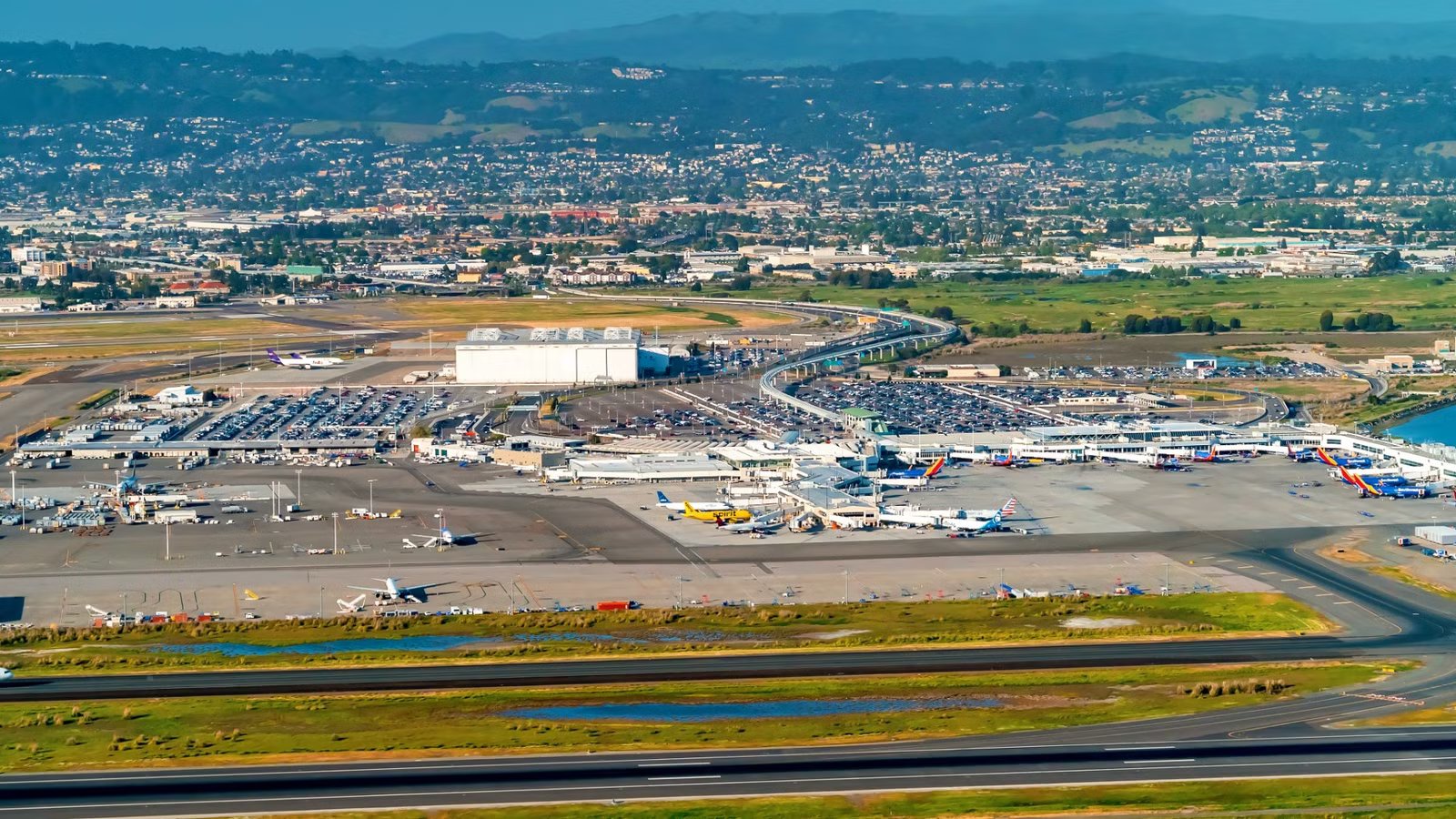
After two years of arguments and legal proceedings, Oakland International Airport can now use San Francisco in its name. This would mean that the airport will be renamed, but it is stated that the IATA-allocated airport code ‘OAK’ will remain the same. Additionally, the settlement for this dispute with  San Francisco International Airport (SFO) comes with a number of caveats that the renamed Oakland airport would have to follow.
A key concern that led to this dispute back in 2024 was related to passengers being confused by both airports having the name of the bay of San Francisco in their names. Ultimately, this resulted in SFO filing a trademark infringement lawsuit in 2024.
Two Years Of Naming Dispute Put To Rest

Oakland and San Francisco airports have finally reached a settlement, which will allow the former to continue referring to the Bay of San Francisco in its name. According to CBC News, OAK can continue using the name ‘Oakland San Francisco Bay Airport,’ but SFO has stipulated certain restrictions on how the name would be used or represented.
While it was the city of San Francisco that launched a trademark infringement lawsuit in 2024, with this issue being put to rest, neither party has admitted liability, and therefore, there was no monetary settlement in this case. The caveat specified by the city of San Francisco is that OAK cannot highlight the words San Francisco or San Francisco Bay in its name by utilizing different fonts or colors.
Furthermore, the caveat also includes a clause that states that OAK is banned from adding the word International to its name, despite the airport handling international services. For the officials of Oakland, it was important to have the name San Francisco in the airport’s name, as they argued this would allow travelers unfamiliar with the area to identify Oakland in the Bay Area. The publication reports the following statement from Mary Richardson, the attorney representing the Port of Oakland:
“We’re proud Oakland fought for and preserved the right to retain our airport’s full name that puts Oakland first and recognizes OAK’s location on the San Francisco Bay.”
Proximity Between The Two Airports

SFO has always been the primary airport for the city of San Francisco, with the airport located on the western bank of the San Francisco Bay. That being said, the city of Oakland is just on the other side of the bay, with OAK being located on the eastern bank of the very same San Francisco Bay. OAK in 2024 stated that the name change would improve awareness of the location of the airport for passengers wishing to travel to the region.
This was because passengers often flew into SFO airport despite OAK being the closer airport to their intended destination. In terms of geographical proximity, Oakland Airport is about 20 km to the east of the city of San Francisco and around 50 km from SFO, which indicates that the two airports have significantly overlapping catchment areas, supporting the point the city of Oakland was making.
However, when OAK initially renamed itself as San Francisco Bay Oakland International Airport in 2024, SFO started reporting that passengers who were due to fly from Oakland were showing up in San Francisco, indicating significant confusion among travelers due to this name change. This subsequently led to the aforementioned trademark infringement suit.

“Infringing New Name”: Bay Area Passengers Are Going To The Wrong Airport After OAK Name Change
The airport’s officials say the change in name will clarify the airport location and help increase connectivity.
SFO Is More Connected Than OAK

While the two airports remain in proximity to one another, offering similar catchment areas in the Bay Area, when looking at route connectivity, it is clear that San Francisco offers a more extensive connectivity, especially to international markets. This is also aided by the fact that SFO is the fifth-largest hub for United Airlines in the United States.
However, it is worth keeping in mind that Oakland hosts major operations for other large carriers such as Southwest Airlines, giving the airport extensive connectivity across North America, especially in the western part of the continent. With that being said, the airport’s route network is still limited to North America and the Pacific Ocean. However, the airport does see long-haul international services being operated by cargo carriers such as Fedex Express.
San Francisco, on the other hand, has flights connecting the airport to destinations in Europe, Australasia, Southeast Asia, and the Middle East. Furthermore, with San Francisco being a major tech and business hub, SFO will continue to be a key airport for the city, aided by the extensive connectivity United provides from the airport.