dailynewsnblog

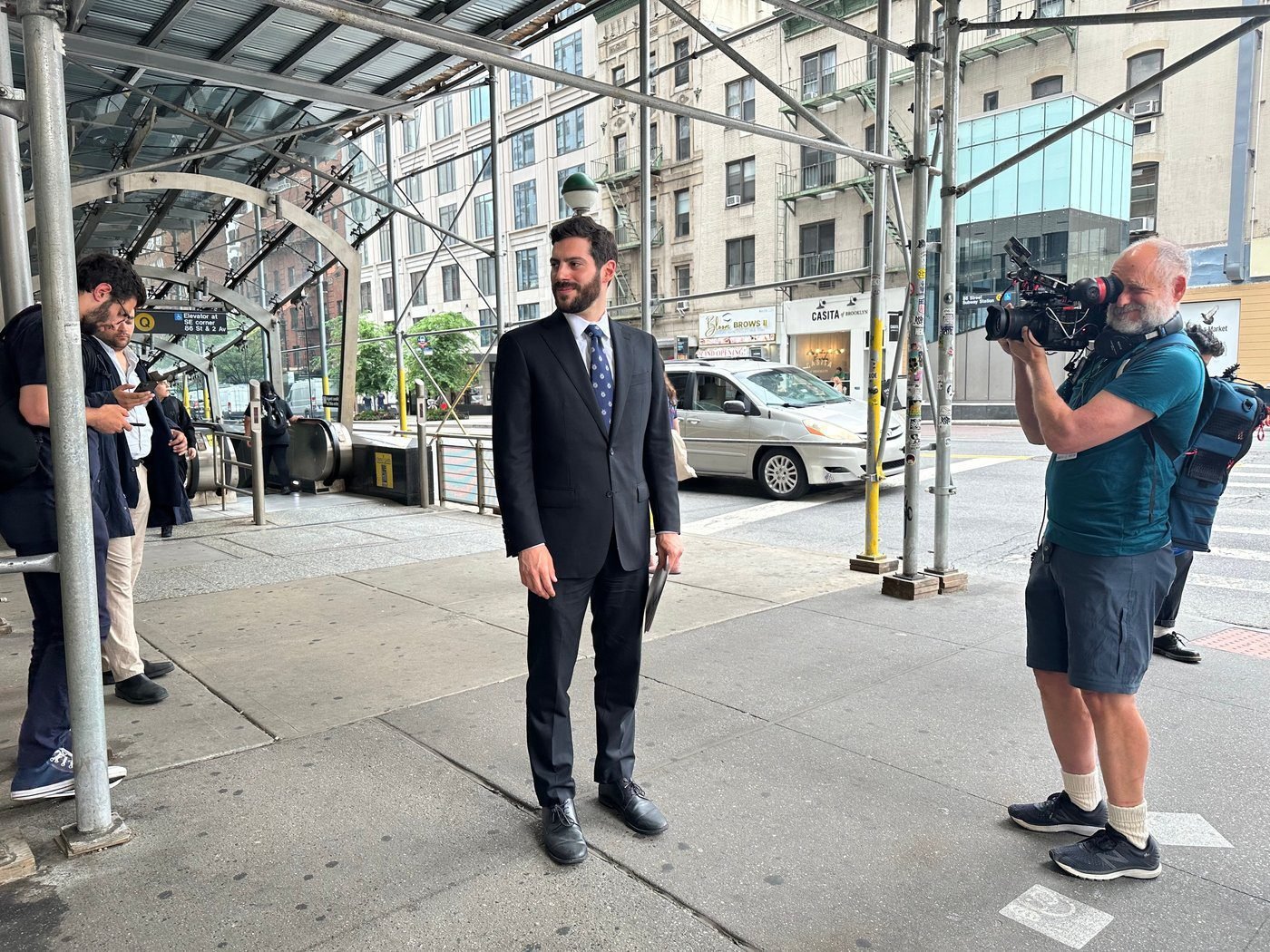
A team of researchers have used the NYC traffic congestion charge as a place to test out some of their hypothesis. Spoiler: the city got better and air quality improved. The research team were able to figure out how to monitor pollutants on individual streets instead of neighbourhood or city-wide levels. They used cameras and phone data to track traffic (removing personally identifiable information). Their method has increased monitoring accuracy and showed that previous pollutant monitoring solutions could vary widely by up to almost 50%
It also helps with better modelling by figuring out which transit options will reduce pollutants the most.
For one, they modeled what would happen to emissions if a certain percentage of travel demand shifted from private vehicles to buses. In another scenario, they looked at what would happen if morning and evening rush hour times were spread out a bit longer, leaving fewer vehicles on the road at once. They also modeled the effects of replacing fine-grained emissions inputs with citywide averages — finding that the rougher emissions estimates could vary widely, from ?49 percent to 25 percent of the more fine-tuned results. That underscores how seemingly small simplifications can introduce large errors into emission estimates.
…
To study that, the researchers looked at what happened to vehicle traffic at intervals of two, four, six, and eight weeks after the program began. Overall, congestion pricing lowered traffic volume by about 10 percent — but there was a corresponding drop in emissions of 16-22 percent.
Read more.