dailynewsnblog
The world is changing rapidly. In response, a confident Canada is choosing to build. We are building major infrastructure projects – new ports, mines, highways, and clean energy corridors that will transform our economy and unlock billions of dollars in new investment. We are doubling our grid through our National Electricity Strategy, to harness Canada’s electricity advantage and provide more clean, reliable, and affordable power for Canadians.
Heating is one of the biggest expenses for Canadians during the winter months, and too often that money goes to the most expensive and least efficient ways to heat a home. Over seven million households in Canada still heat their homes with oil, propane, diesel, electric baseboards, or outdated furnaces. Our government is laser-focused on giving Canadians options to lower their energy costs. That’s why, as part of our National Electricity Strategy, we committed to help one million Canadian households make retrofits.
To that end, the Prime Minister, Mark Carney, today announced a $2 billion investment to deliver one million home retrofits across Canada. These energy-efficient retrofits will lower heating costs for Canadians and reduce emissions.
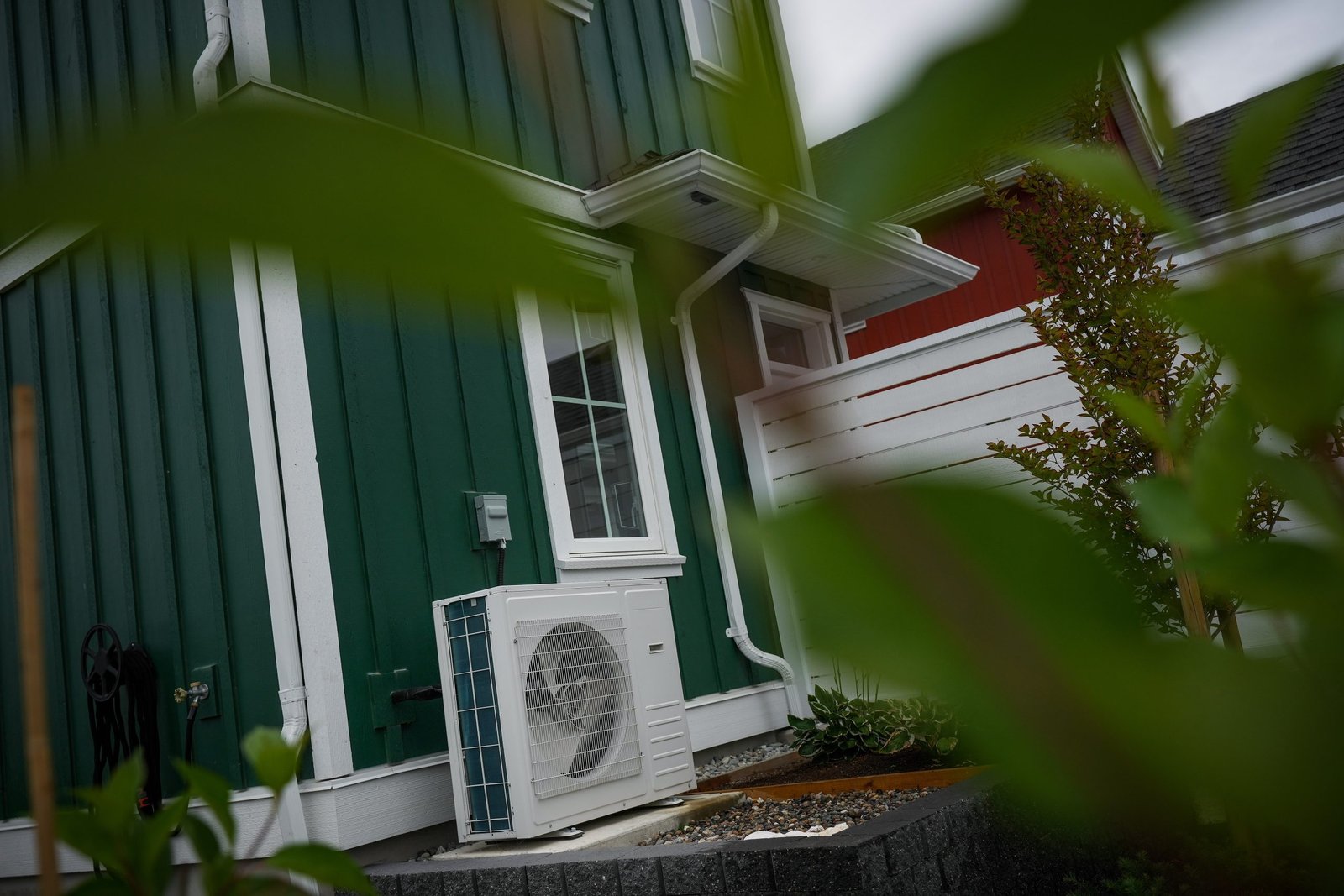
First, we are launching a new National Heat Pump Rebate to help up to 820,000 households make the switch to more efficient electric heat pumps. We will do this by:
- Lowering the up-front cost of purchasing an electric heat pump: Eligible below-median-income households will receive a rebate of up to $10,000 for the purchase of an electric heat pump. Other eligible households will receive $2,000. Both rebates can be combined with existing provincial programs to bring the cost down even further.
- Providing help when it is needed most: Every year, about one million Canadian homes replace their heating system. More than 80% of the time, it is because the old system broke down without warning. This new program will confirm approval within 24 hours, and a heat pump can be installed as quickly as a furnace.
Heat pumps are more efficient, cleaner, and safer than oil and electric furnaces. They will save an average of $1,400 a year for households currently heating with oil or electrical boards.
Second, we are working with the Canada Mortgage and Housing Corporation (CMHC) and the Canada Infrastructure Bank (CIB) to help apartment building owners retrofit 280,000 units over the next eight years. We will do this by:
- Providing affordable financing for retrofits: Through its Multi-Unit Mortgage Loan Insurance product, CMHC will help retrofit up to 250,000 additional units. This CMHC product has already supported over 140,000 energy-efficient units to date.
- Unlocking investment in apartment buildings: Through its Building Retrofits Initiative, the CIB will support apartment and multi-unit residential building owners to retrofit 30,000 units.
- Supporting building owners every step of the way: To advance building retrofits, we are also renewing the Deep Retrofit Accelerator Initiative, which supports building owners through all stages of the retrofit process.
Combined, these measures will support one million home retrofits and reduce Canada’s emissions by over 25 megatonnes – the equivalent of taking nearly eight and a half million cars off our roads for one year.
Today’s announcement delivers on a core commitment of our National Electricity Strategy. It is part of our broader mission to build at speed and scale to double our energy infrastructure and build a strong Canada that is powered by clean, affordable, and reliable energy. A plan that, done right, lowers costs for Canadians and reduces emissions.
Quotes
“Canada strong starts in a warm home. Today, we are helping one million more Canadian households make energy efficient retrofits. We are lowering costs, reducing emissions, and building a stronger and more sustainable economy for all.”
“Building a stronger Canada means making life more affordable for Canadians while cutting emissions and building a cleaner, more resilient economy. When we help families and homeowners make their homes more energy efficient, they use less energy, save more on their bills, and reduce the emissions that drive climate change. By taking full advantage of Canada’s clean electricity advantage, we can lower costs, cut pollution, and create a stronger economy for Canadians today and for generations to come.”
“Affordable housing is also about affordable energy bills. By supporting energy efficient retrofits in apartment buildings and multi-unit housing, we’re helping lower costs for Canadians, improve housing quality, and build more sustainable communities.”
Quick facts
- The National Heat Pump Rebate program will be available through an online portal, with no energy audits before or after installation. Approvals will be available within 24 hours, making it easier to get a replacement installed quickly when a system breaks without warning – which accounts for around 80% of replacements each year.
- Today’s announcement builds on previous measures to support energy efficiency, including the Oil to Heat Pump Affordability program and the Canada Greener Homes Affordability program.
- In May 2026, the Prime Minister launched Powering Canada Strong, Canada’s new national electricity strategy, which aims to double the capacity of Canada’s electricity grid by 2050 and supply clean, reliable, and affordable power across the country. The strategy also aims to connect Canada’s electricity grids, build the workforce needed for the electricity system of the future, and increase domestic production of the technologies and components needed to power it.
- The strategy is expected to deliver up to $15 billion in total energy savings by 2050 and lower total energy costs for seven in 10 Canadian households.
- Under the strategy, the Government of Canada committed to expanding support for energy-saving retrofits for up to one million households through financing, grants, and complementary measures, including by making it easier for Canadians to switch from more expensive heating sources to electric heat pumps.
- Approximately 80% of Canada’s electricity is already generated from non-emitting sources. By expanding electrification across households, commercial buildings, transport, and industry, Canada has the potential to reduce economy-wide emissions by as much as five times current electricity-sector emissions.