dailynewsnblog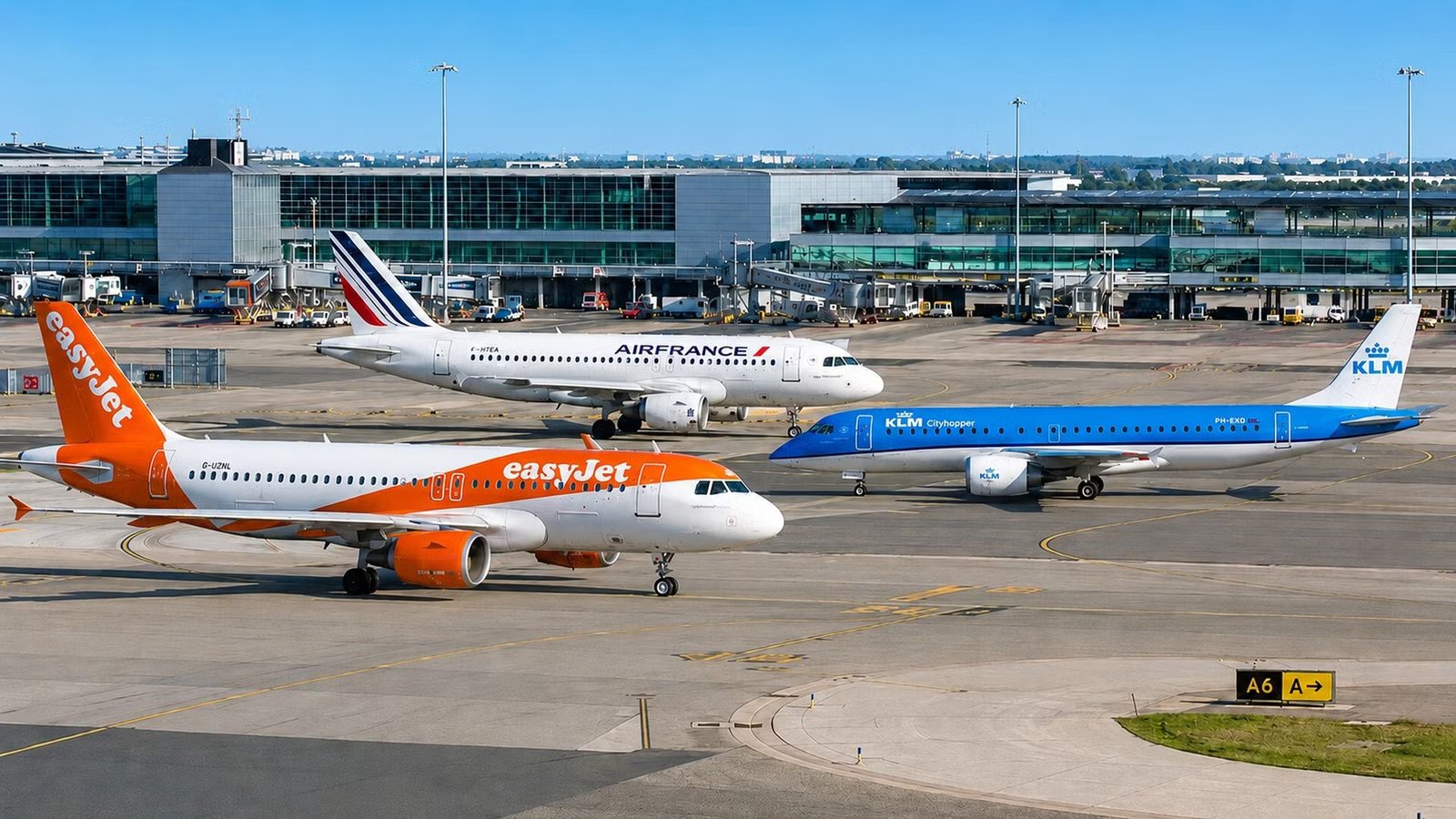
easyJet could be heading toward a much closer relationship with one of Europe’s biggest airline groups. The low-cost carrier is reportedly evaluating a commercial agreement with Air France-KLM, potentially involving codeshare or interline agreements, with Paris and Amsterdam emerging as the most obvious points of cooperation. The discussions remain preliminary, and neither easyJet nor Air France-KLM has confirmed that formal negotiations are underway.
The speculation comes just days after easyJet agreed to a £5.7 billion ($7.7 billion) takeover by US private equity giant Apollo Global Management. Crucially, as part of the bidding process, Apollo identified airline partnerships as a pivotal way of unlocking additional value from easyJet’s huge European network. That raises a bigger question: could one of Europe’s largest low-cost airlines increasingly become a feeder for traditional long-haul carriers without abandoning its underlying point-to-point model?
Apollo Has Already Pointed Toward Airline Partnerships

Italian newspaper Corriere della Sera first reported that easyJet is considering some form of commercial relationship with Air France-KLM, particularly around Paris and Amsterdam. The options reportedly include a codeshare agreement, under which Air France-KLM could sell selected easyJet-operated flights under its own flight numbers, or an interline arrangement, allowing different airlines’ flights to be combined on one ticket.
Corriere says the ideas are among several strategic projects being evaluated for 2027, when Apollo is expected to take control of easyJet. The timing is significant, because Apollo telegraphed this strategy during the purchase negotiations, with its formal offer documentation listing partnerships and distribution among its priority value-creation opportunities.
“We will focus on exploring strategic opportunities to interline and code share with other airlines, as well as additional distribution opportunities.”
For easyJet, the appeal is straightforward. A codeshare or interline partnership could make hundreds of long-haul destinations available in its itineraries without requiring the airline to acquire a single widebody aircraft. More integrated connections could also offer advantages such as one-ticket itineraries and automatic baggage transfers. The airline has already experimented with this concept through Worldwide by easyJet, which launched in 2017 and eventually partnered with multiple long-haul carriers.
Air France-KLM has reasons to listen as well. Reuters reported that CEO Ben Smith said in June that the group was potentially interested in a tie-up with the low-cost carrier. easyJet’s valuable slots and presence at major European airports have long made it strategically interesting; a commercial agreement could give Air France and KLM access to that network without the regulatory and financial complications of acquiring the carrier itself.
“There are some amazing assets that easyJet has, which I think any airline would be interested in looking at. Are we actively looking at [acquiring] easyJet? No. Would we be interested in doing something with them? Perhaps.”
Paris & Amsterdam Put The Network Logic In Focus

The most compelling part of the reported proposal is its geography.  Paris Charles De Gaulle Airport (CDG) and
  Amsterdam Schiphol Airport (AMS) are Air France and KLM’s respective global hubs, yet easyJet already has substantial short-haul operations at both. That creates a relatively simple proposition: easyJet could deliver passengers from various European cities into CDG or AMS, with Air France or KLM carrying them onward to North America, Asia, Africa, or elsewhere.
Airport | easyJet Routes | Air France-KLM Relevance | Potential Partnership Role |
|---|---|---|---|
Paris Charles de Gaulle International Airport (CDG) | 45 | Air France’s principal global hub | Feed European passengers into Air France’s long-haul network |
Amsterdam Airport Schiphol (AMS) | 46 | KLM’s principal global hub | Feed European passengers into KLM’s long-haul network |
Paris Orly Airport (ORY) | 24 | Major Air France/Transavia market | Leisure traffic and additional Paris connectivity |
Geneva Airport (GVA) | 94 | Major European market within easyJet’s network | Potential feed from a very large easyJet network toward CDG/AMS |
Humberto Delgado Airport (LIS) | 33 | Strategically relevant if Air France-KLM acquires a stake in TAP | Potential future feed into TAP and Latin American/African connectivity |
London Gatwick Airport (LGW) | 119 | Previous easyJet/Virgin Atlantic connection point | Huge potential feeder network for Virgin or other SkyTeam/JV partners |
easyJet’s appeal over another large European carrier such as Ryanair comes down to geography, not scale. While Ryanair has the larger European network overall, easyJet already serves 45 destinations from Paris CDG and 46 from Amsterdam, giving Air France-KLM a substantial ready-made feeder network at both of its main hubs. Ryanair does not serve CDG, and has just two Amsterdam routes, making it far less useful as a connecting partner.
Lisbon Airport (LIS) provides another interesting dimension. Air France-KLM submitted a binding offer in July for a 44.9%-49.9% stake in TAP Air Portugal, and Smith has described the Iberian Peninsula as strategically critical because of its access to Latin America. If Air France-KLM eventually succeeds in acquiring TAP, easyJet’s large presence in Lisbon could become an additional valuable component of a broader feeder strategy.
Virgin Could Turn This Into A Wider SkyTeam Story

Air France-KLM may not be the only airline interested. The Times reported separately that easyJet has held discussions with Virgin Atlantic about codeshare and interline cooperation. The two airlines already have history: Virgin joined the Worldwide by easyJet program in 2018, allowing passengers to connect between easyJet’s European network and Virgin’s long-haul services at  London Gatwick Airport (LGW). Apollo also has an existing financial relationship with Virgin, having provided $745 million in financing secured against the airline’s Heathrow slot portfolio in November 2025.
That makes the wider airline relationships particularly intriguing. Virgin is part of  SkyTeam and participates in the transatlantic joint venture with
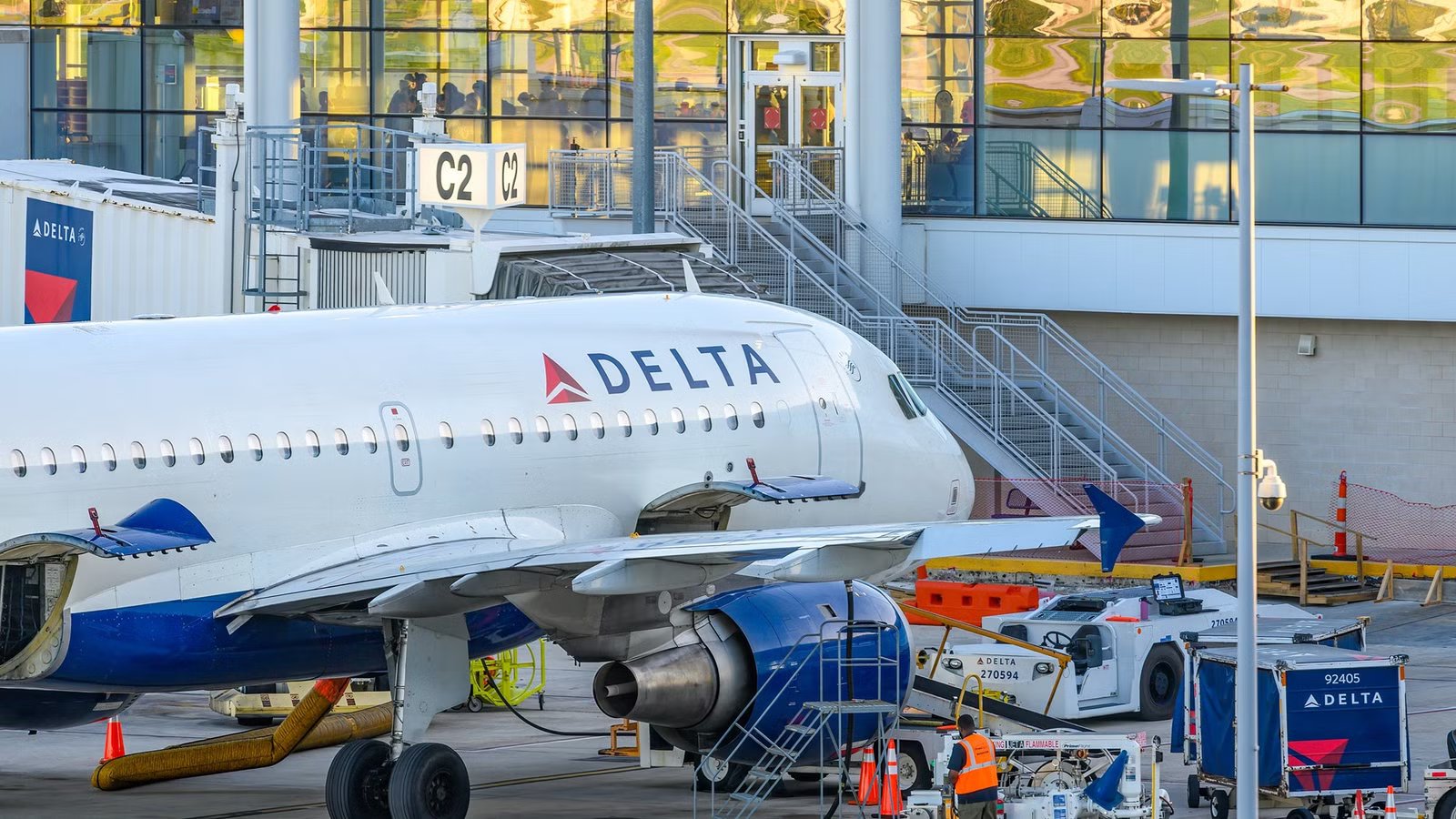
  Delta Air Lines,
  Air France and KLM. Delta also owns 49% of Virgin Atlantic and holds 2.8% of Air France-KLM. The four airlines coordinate extensive transatlantic schedules, and adding a large European feeder network would be attractive to the group as a whole.
easyJet would not need to join SkyTeam for those relationships to matter. Bilateral agreements with Air France-KLM and Virgin could effectively make parts of easyJet’s short-haul network available to carriers inside the same transatlantic ecosystem. There is already a parallel: Delta, Air France-KLM and Virgin have developed broader cooperation with  IndiGo, using the Indian airline’s network to extend their reach beyond their own flights.
Gatwick is therefore an intriguing longer-term wildcard. While Delta and Virgin currently concentrate their operations at  London Heathrow Airport (LHR), easyJet’s enormous Gatwick network would provide an established pool of European feeder traffic if either airline was inclined to rebuild long-haul flying there. More broadly, Apollo may see all this as an opportunity to turn easyJet into something unusual: not a traditional network airline, but a pan-European short-haul distribution platform that becomes significantly more valuable by connecting passengers to airlines that are.