dailynewsnblog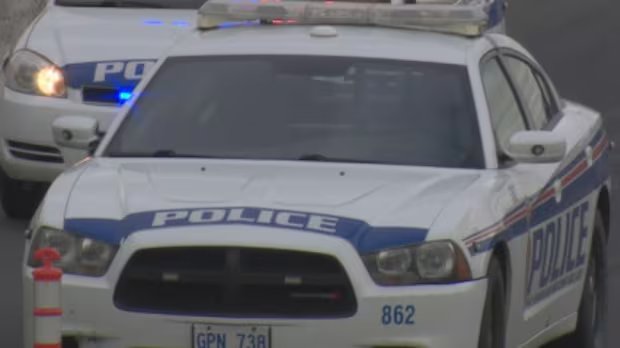

Listen to this article
Estimated 3 minutes
The audio version of this article is generated by AI-based technology. Mispronunciations can occur. We are working with our partners to continually review and improve the results.
A group of teenagers filed a complaint in January with the Royal Newfoundland Constabulary, saying they were being exploited through images posted online.
“They reported that images of them had been digitally altered. So normal pictures of them had been altered using AI to make them explicit images,” RNC Const. Stephanie Myers told CBC.
The complaint kicked off a more than six-month investigation, resulting in nearly 60 criminal charges being filed July 29 against a 17-year-old from St. John’s.
The charges include: 19 counts of making child sexual abuse and exploitation material; 19 counts of possession of child sexual abuse and exploitation material; 19 counts of distribution of child sexual abuse and exploitation material; and one count of accessing child sexual abuse and exploitation material.
The repeated 19 figure relates to the 19 people who were identified to date as being allegedly exploited in the case, Myers said.
She said the case was tackled by, among others, members of the child abuse and sexual assault unit but also required computer forensics teams, with dozens of officers and civilian support staff involved in examining devices and online systems. The forensics teams were essential in tracing back the images created with AI to identify the root source, she said.
The identity of the accused is protected under the Youth Criminal Justice Act and his name will not be released.
Myers said police will not be speaking to details like whether or not the youths were known to each other, citing privacy reasons, and protection of the complainants.
“They’ve endured enough for this investigation,” she said.
The case is “probably one of our first if not the first” involving specifically the use of AI programs to create sexual exploitation material, she said.
Police are making a public appeal to encourage conversations about digital safety. Myers said young people should be able to recognize when they have become a victim of such actions. At the same time, it’s also about recognizing the Criminal Code of Canada.
“Many young people don’t realize the consequences of this, how quickly an image can spread […] and how difficult it is to undue the harm once something is shared online,” she said.
Myers said an app where images can pass by quickly does not make postings any less serious.
Criminal charges can come related to the creation of images but also for sharing of images. Apart from the consequence of charges under the Criminal Code, she said, there are very real consequences in the form of emotional distress and damaged reputation.
Download our free CBC News app to sign up for push alerts for CBC Newfoundland and Labrador. Sign up for our daily headlines newsletter here. Click here to visit our landing page.