Poilievre: Carney should state what ‘leverage’ Canada has in trade talks


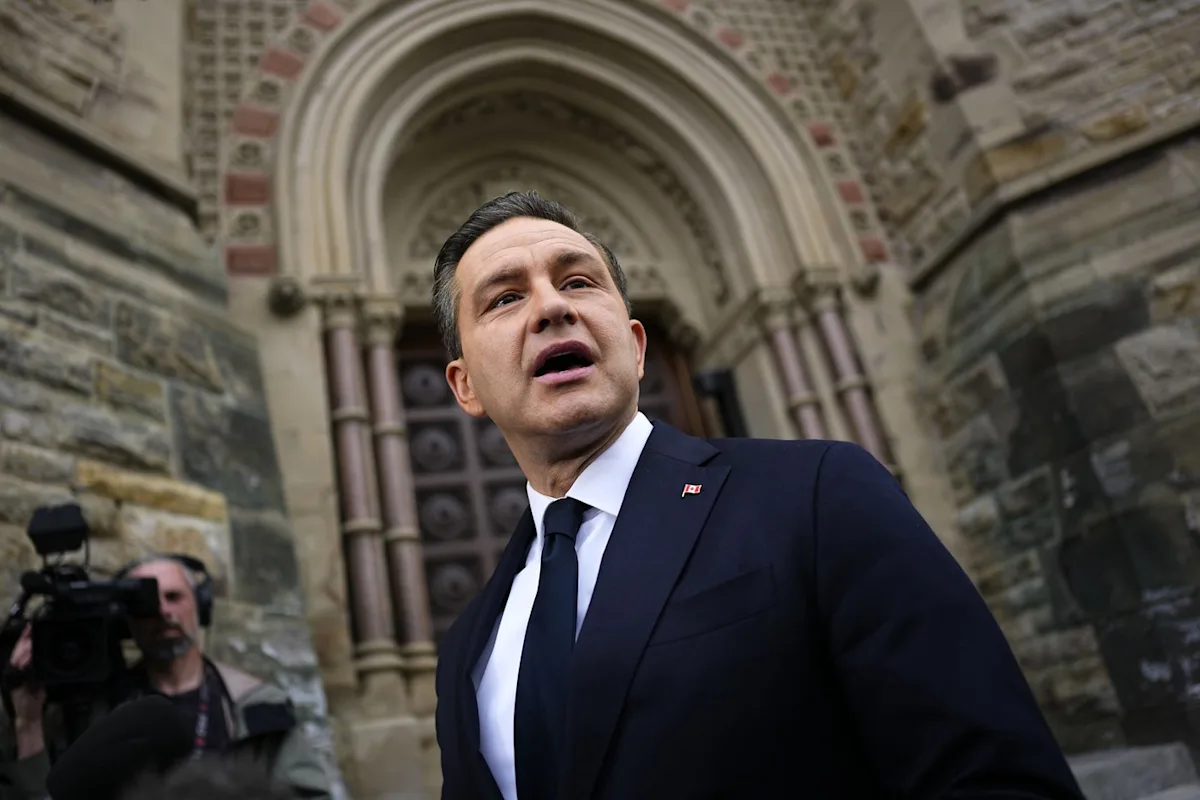
TORONTO — Prime Minister Mark Carney should spell out to Canadians what leverage the country has over the United States in coming trade negotiations, Conservative Leader Pierre Poilievre asserted on Sunday.

That comes after Carney rejected characterizing energy and critical minerals as “leverage” in talks to renew the Canada-United States-Mexico Agreement, also known as CUSMA.

Poilievre said Carney should explain how he intends to secure an end to sectoral tariffs and a renewal of the free-trade pact.

“If energy and minerals are not going to be leveraged for Canada in these negotiations, what leverage does Mr. Carney claim to have?” Poilievre said while speaking with reporters at a press conference in Toronto.

“He can’t tell us what leverage we have, what demands he’s making, what tariffs he wants to get removed, and when and if he will even get a deal at all.”

Carney said in an interview with The Canadian Press on Friday that he simply views these sectors as future trade opportunities with the United States — or with other trading partners.

“Reclassifying that as leverage, I’m not sure that’s the way I look at that. I look it as trade,” Carney said. “It’s looking at, is it in our mutual interest to trade more? Where is it? And if it’s not there, we have other options.”

The prime minister said Canada is not about to halt any such trade with the U.S., but suggested further integration in those sectors remains up in the air amid the ongoing trade war.

“Should we be further integrating our energy markets with the United States at a time they view that as, quote, ‘leverage’?” Carney said.

United States Trade Representative Jamieson Greer cautioned a group of Canadian politicians in Washington on Wednesday that Ottawa shouldn’t try to use energy as leverage in the trade talks.

Sources who attended that meeting told The Canadian Press Greer said greater collaboration on energy shouldn’t come with the condition of U.S. concessions. Greer also said the Trump administration is not looking to disrupt the energy relationship between the two countries.

Natural Resources Minister Tim Hodgson said about a week ago that Canada’s energy and natural resources are “Canada’s strongest cards” in renegotiating the trade deal.

Poilievre said his strategy would be to “build up a massive strategic reserve of our energy and our minerals and use that as leverage to get tariff-free access to the United States economy.”

Negotiations between Canada and White House to remove American tariffs against Canada’s steel, aluminum, automotive and forestry sectors froze last fall.


Talks stalled after Trump became angered by an Ontario advertising campaign that quoted former president Ronald Reagan criticizing tariffs.

The continental trade pact is meantime approaching a mandatory review, which is scheduled to start by this summer.

Greer has said the United States is unlikely to rubber-stamp the deal in July, suggesting longer negotiations are in store.

Last week, when Carney’s Canada-U.S. economic advisory council met for the first time, the federal government made clear it has no intentions of making any concessions before a broader negotiation on CUSMA renewal.

Carney said last month that America’s sectoral tariffs remain Canada’s greatest trade “irritant” to resolve.

The prime minister said in the Friday interview there normally would have been a broader discussion about a series of “technical” trade issues in the coming review.

He pointed to greater regulatory harmonization on “all aspects digital,” such as combating online harms, as one example.

“That’s not really on the table now,” Carney said.

The prime minister said Ottawa does desire greater integration and co-operation with the United States when it’s “absolutely recognized that it’s in both countries’ interests.”

But Canada must now be “careful, to a degree” on further integration in energy and other markets, as tariffs that violate the spirit of the agreement dig into key economic sectors.

“There’s a question about whether that alignment is still there,” Carney said. “Can we really rely, ultimately, on what’s written in the agreement, what’s in a dispute settlement mechanism? That’s a very different environment than was there previously.”

This report by The Canadian Press was first published May 3, 2026.

— With files from Kyle Duggan in Ottawa, Kathryn Mannie in Toronto and Kelly Geraldine Malone in Washington.

The Canadian Press


Source link

  • Related Posts

    How countercyclical capital buffers travel: Internal capital markets and domestic borrowing

    Countercyclical capital buffers (CCyBs) are a centrepiece of the post-crisis macroprudential toolkit. A growing literature finds that building capital in good times strengthens bank resilience without discouraging lending at longer…

    US Futures Gain, Oil Falls on Signs of Iran Talks: Markets Wrap

    Iran’s proposal called for a complete end to the conflict within 30 days along with guarantees against renewed strikes, the semi-official Tasnim News Agency reported. The plan reiterates Tehran’s earlier…

    Leave a Reply

    Your email address will not be published. Required fields are marked *

    You Missed

    Irina Shayk’s Pre-Met Gala Shoes Go From Gold Pumps to Strappy Sandals

    Irina Shayk’s Pre-Met Gala Shoes Go From Gold Pumps to Strappy Sandals

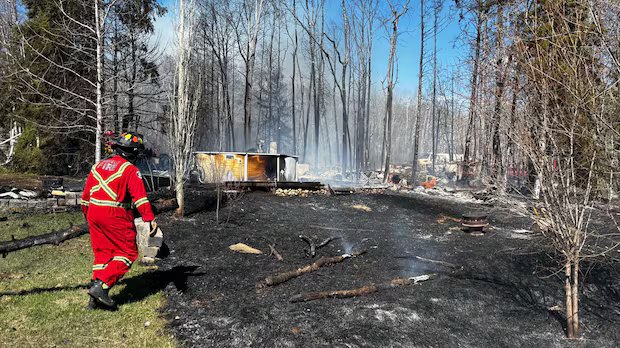
    Fire destroys homes in Summer Village of Sandy Beach, prompting local state of emergency

    Fire destroys homes in Summer Village of Sandy Beach, prompting local state of emergency

    How countercyclical capital buffers travel: Internal capital markets and domestic borrowing

    Resident Evil Requiem Mod Adds RE4’s Merchant

    Resident Evil Requiem Mod Adds RE4’s Merchant

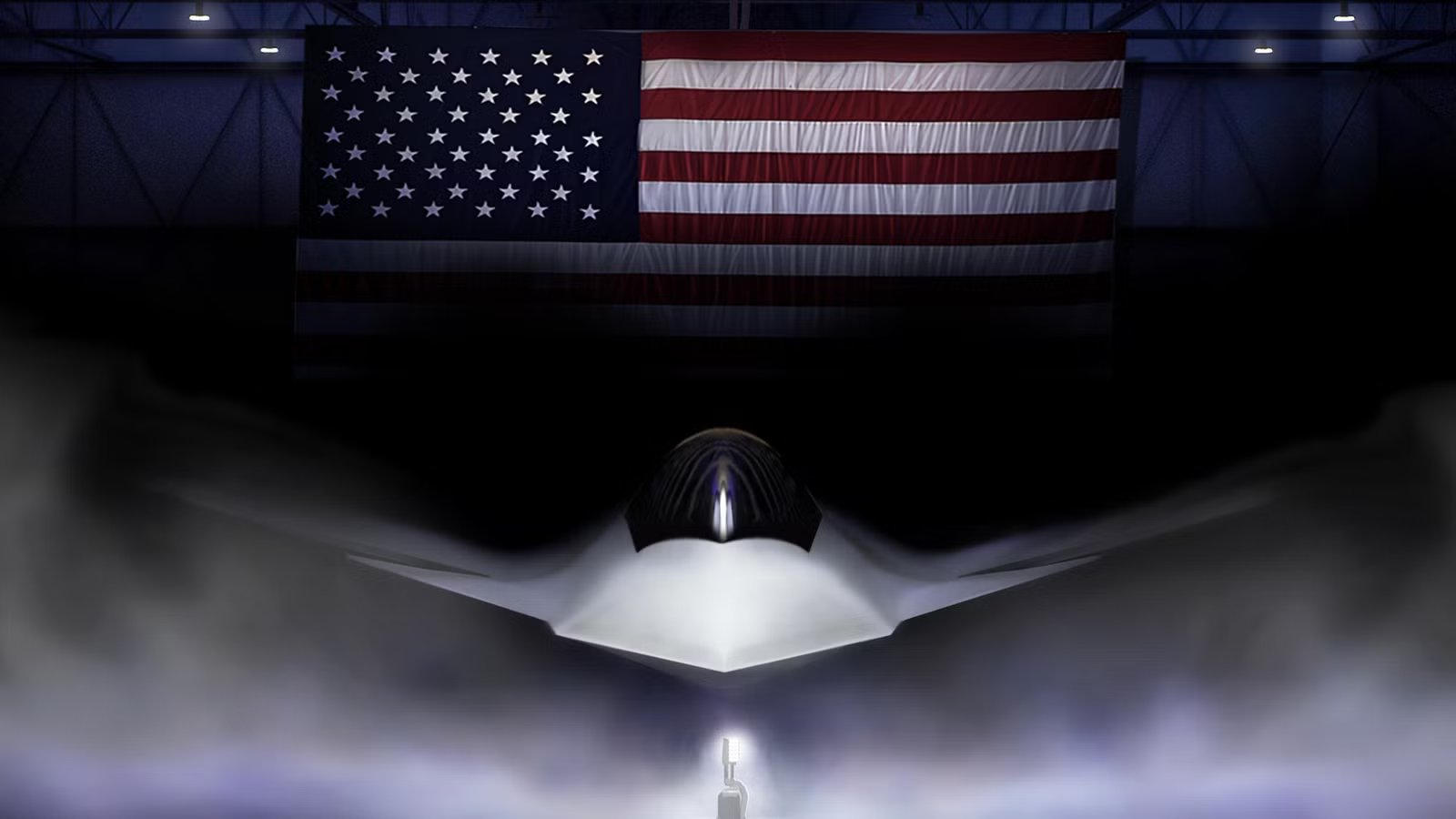
    F-22 Stealth Meets F-15 Range In The F-47, The 6th-Generation Fighter The USAF Says Changes Air Combat Forever

    F-22 Stealth Meets F-15 Range In The F-47, The 6th-Generation Fighter The USAF Says Changes Air Combat Forever

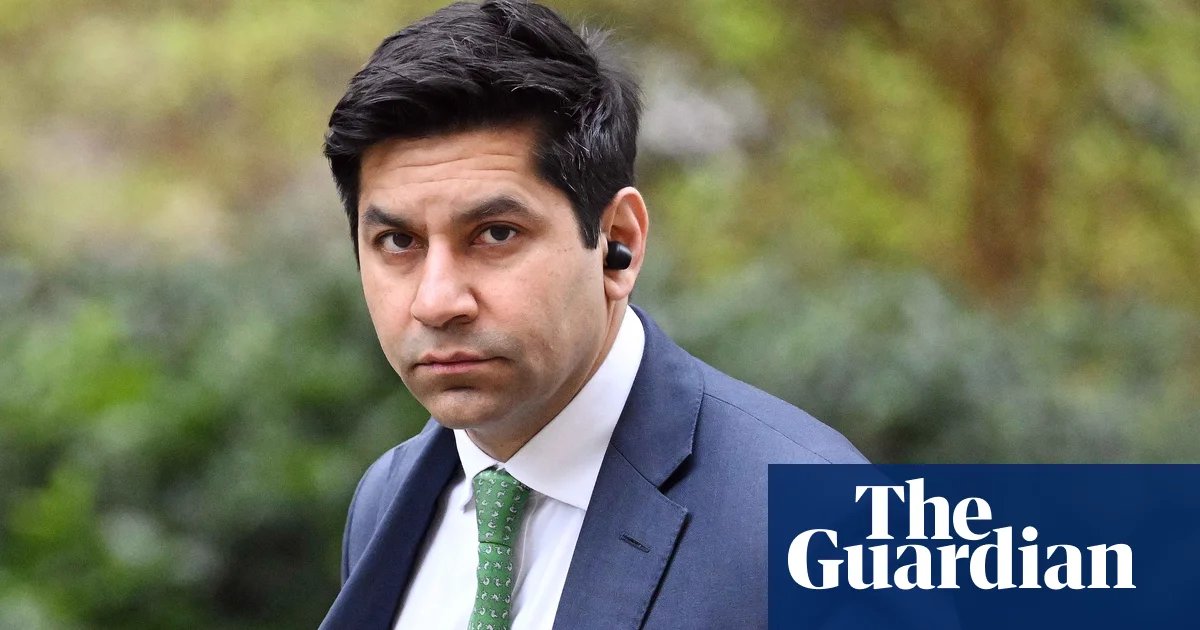
    Starmer adviser held 16 undisclosed meetings with top US tech bosses | Technology policy

    Starmer adviser held 16 undisclosed meetings with top US tech bosses | Technology policy